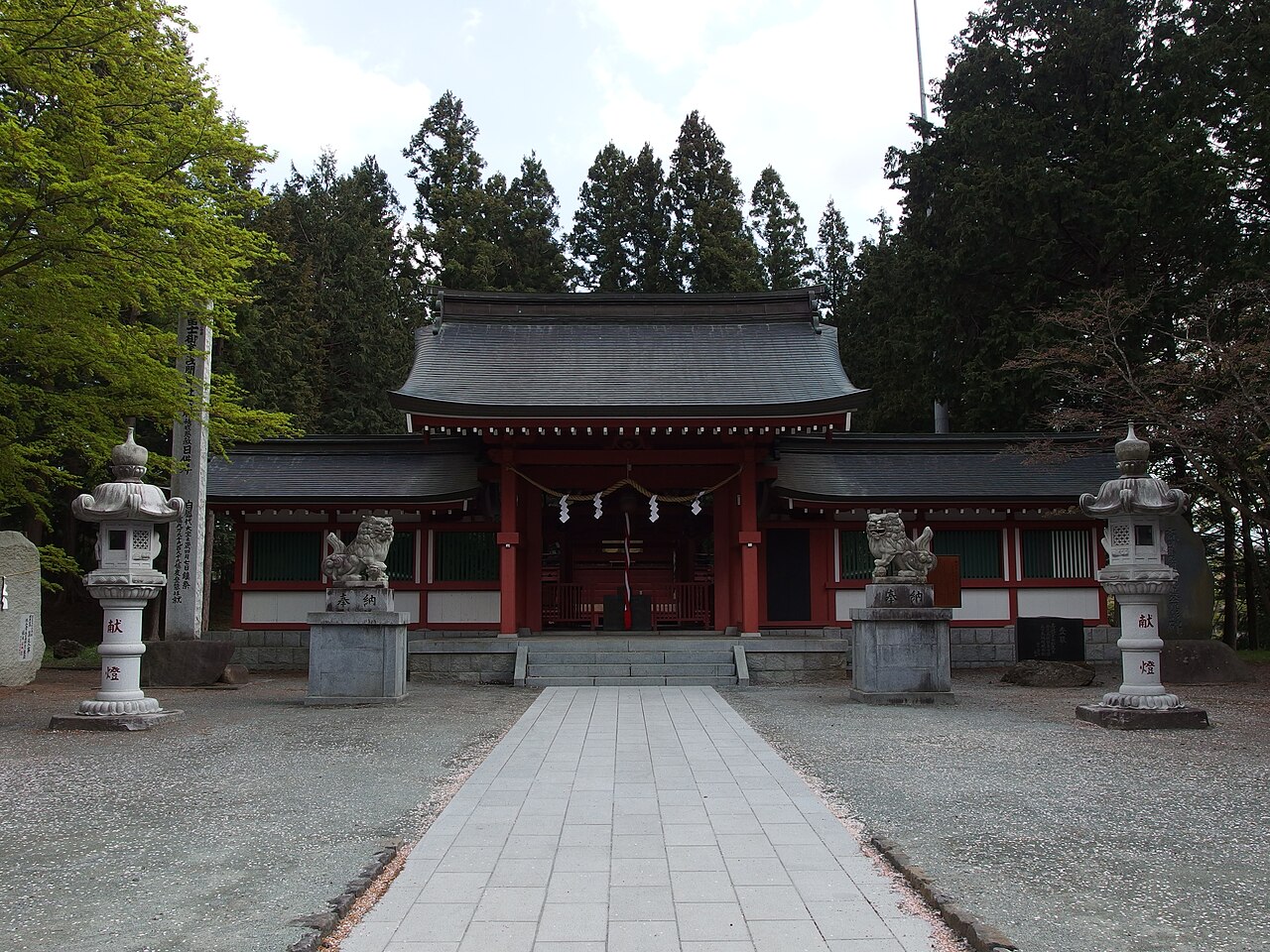
Fuji Omuro Sengen Shrine
Fuji Omuro Sengen Jinja · Omuro Sengen Shrine · 冨士御室浅間神社
overview
What this place is
Fuji Omuro Sengen Shrine stands beside Lake Kawaguchi in Fujikawaguchiko, Yamanashi Prefecture, and is a component of the World Heritage site Fujisan. The official history relates that the Hongu was first established at the second station of Mt. Fuji in 699, and that the present Hongu hall, built there in 1612, is a nationally designated Important Cultural Property; it was moved down to the lakeside in the 1970s to protect it from the mountain climate. The Satomiya, founded in 958 for those who could not climb, faces it across the grounds.
- The red Hongu hall of 1612, an Important Cultural Property brought down from the second station of Mt. Fuji
- The Satomiya, founded in 958 and rebuilt in 1889, which handles the rites and prayers of the year
- Two halls facing each other, one backed by Mt. Fuji and the other by Lake Kawaguchi
- The purification ground where a lava flow reaches the lake, tied to the rain-praying faith
plan your visit
Visit facts for Fuji Omuro Sengen Shrine
- Access
- About 145 minutes from Tokyo Station via Shinjuku to Kawaguchiko Station, then about 16 minutes on the Saiko Green Line bus to the Fuji Omuro Sengen Jinja stop, which is right by the shrine.
- Nearest station
- Kawaguchiko Station (Fujikyuko Line) / Fuji Omuro Sengen Jinja bus stop
- Hours
- Public tourist information lists the shrine as open every day. The shrine office is open from 9:00 to 16:00 and prayer reception from 9:30 to 15:30. Outside rites and festivals can close the office early, so check before you visit.
- Fees
- No admission fee for the grounds is published, and parking is free. A prayer service for an individual is from 10,000 yen for safe childbirth and a first shrine visit and from 5,000 yen otherwise. A goshuin is 500 yen for the Hongu and 500 yen for the Satomiya.
- Parking
- Available in Japanese only: 公式サイトは無料駐車場60台を案内。交通安全祈祷で車祓いを受ける車両は、西鳥居から自動車清祓所へ進み、一般参拝の駐車動線と分けます。祭典時は現地誘導を優先します。
- Goshuin (seal stamps)
- There are two goshuin, one for the Hongu and one for the Satomiya, at 500 yen each. Receive only the one for the hall you have actually visited; one alone is a complete visit.
- Typical visit
- About 75 minutes (Unmeguri's estimate, not an official figure)
- Facts checked
- 2026-10-22
background
Enshrined deity
Konohanasakuya-hime-no-Mikoto
The shrine enshrines Konohanasakuya-hime-no-Mikoto. The official guidance names ties between people, children, safe childbirth and protection from fire as the best known of its associations, and adds that because the spring water of Fuji brings its own bounty the deity is also revered in connection with prosperity and trade.
etiquette
Visiting with respect
- The Hongu and the Satomiya face each other in the same lakeside grounds but are two shrines with different histories and roles; read the signs rather than telling them apart by colour or direction.
- The Okumiya at the second station of Mt. Fuji stands at about 1,700 metres and is a separate place; do not set off for it as an extension of a visit here.
- Photography inside the halls, from directly in front with your back to them, and of other worshippers or shrine staff without consent is not allowed.
- The purification ground records the ascetic practice and rain-praying faith of the past; do not enter the water, climb on the lava or re-enact the rite.
- Vehicles for road-safety prayers enter by the west torii to the purification bay; other visitors should keep that route clear.
- Hours, fees and reception can change; check the official information before you go.
faq
Common questions
How do I get to Fuji Omuro Sengen Shrine?
About 145 minutes from Tokyo Station via Shinjuku to Kawaguchiko Station, then about 16 minutes on the Saiko Green Line bus to the Fuji Omuro Sengen Jinja stop, which is right by the shrine. Nearest station: Kawaguchiko Station (Fujikyuko Line) / Fuji Omuro Sengen Jinja bus stop.
How much does it cost to visit Fuji Omuro Sengen Shrine?
No admission fee for the grounds is published, and parking is free. A prayer service for an individual is from 10,000 yen for safe childbirth and a first shrine visit and from 5,000 yen otherwise. A goshuin is 500 yen for the Hongu and 500 yen for the Satomiya.
What are the opening hours of Fuji Omuro Sengen Shrine?
Public tourist information lists the shrine as open every day. The shrine office is open from 9:00 to 16:00 and prayer reception from 9:30 to 15:30. Outside rites and festivals can close the office early, so check before you visit.
Is there parking at Fuji Omuro Sengen Shrine?
Parking information for Fuji Omuro Sengen Shrine is available in Japanese only: 公式サイトは無料駐車場60台を案内。交通安全祈祷で車祓いを受ける車両は、西鳥居から自動車清祓所へ進み、一般参拝の駐車動線と分けます。祭典時は現地誘導を優先します。
How long should I spend at Fuji Omuro Sengen Shrine?
Unmeguri's estimate for a visit is about 75 minutes. This is an editorial estimate, not an official figure.
Can I get a goshuin at Fuji Omuro Sengen Shrine?
There are two goshuin, one for the Hongu and one for the Satomiya, at 500 yen each. Receive only the one for the hall you have actually visited; one alone is a complete visit.
Where do I go for a prayer service?
Prayers are held at the Satomiya, not at the red Hongu, with reception from 9:30 to 15:30. Confirm the desk and the time before you set out.
sources
Sources and checked dates
- 冨士御室浅間神社 公式サイト(opens in a new tab)
- 当神社について|冨士御室浅間神社(opens in a new tab)
- 御祈祷|冨士御室浅間神社(opens in a new tab)
- 概要・アクセス|冨士御室浅間神社(opens in a new tab)
- お知らせ|冨士御室浅間神社(opens in a new tab)
- 御朱印についてのお知らせ|冨士御室浅間神社(opens in a new tab)
- 当社の御朱印「本宮」と「里宮」について|冨士御室浅間神社(opens in a new tab)
- 交通安全の御祈祷を御希望の方へご案内|冨士御室浅間神社(opens in a new tab)
- お問合せ|冨士御室浅間神社(opens in a new tab)
- 年中行事|冨士御室浅間神社(opens in a new tab)
- 冨士御室浅間神社|富士の国やまなし観光ネット(opens in a new tab)
- 冨士御室浅間神社|山梨の歴史を旅するサイト(opens in a new tab)
- 世界文化遺産 富士山の構成資産一覧|富士の国やまなし観光ネット(opens in a new tab)
Facts last checked on 2026-10-22. Sources are in Japanese. Unmeguri separates officially documented facts from its own editorial reading, and does not promise that any wish or outcome will be realized.