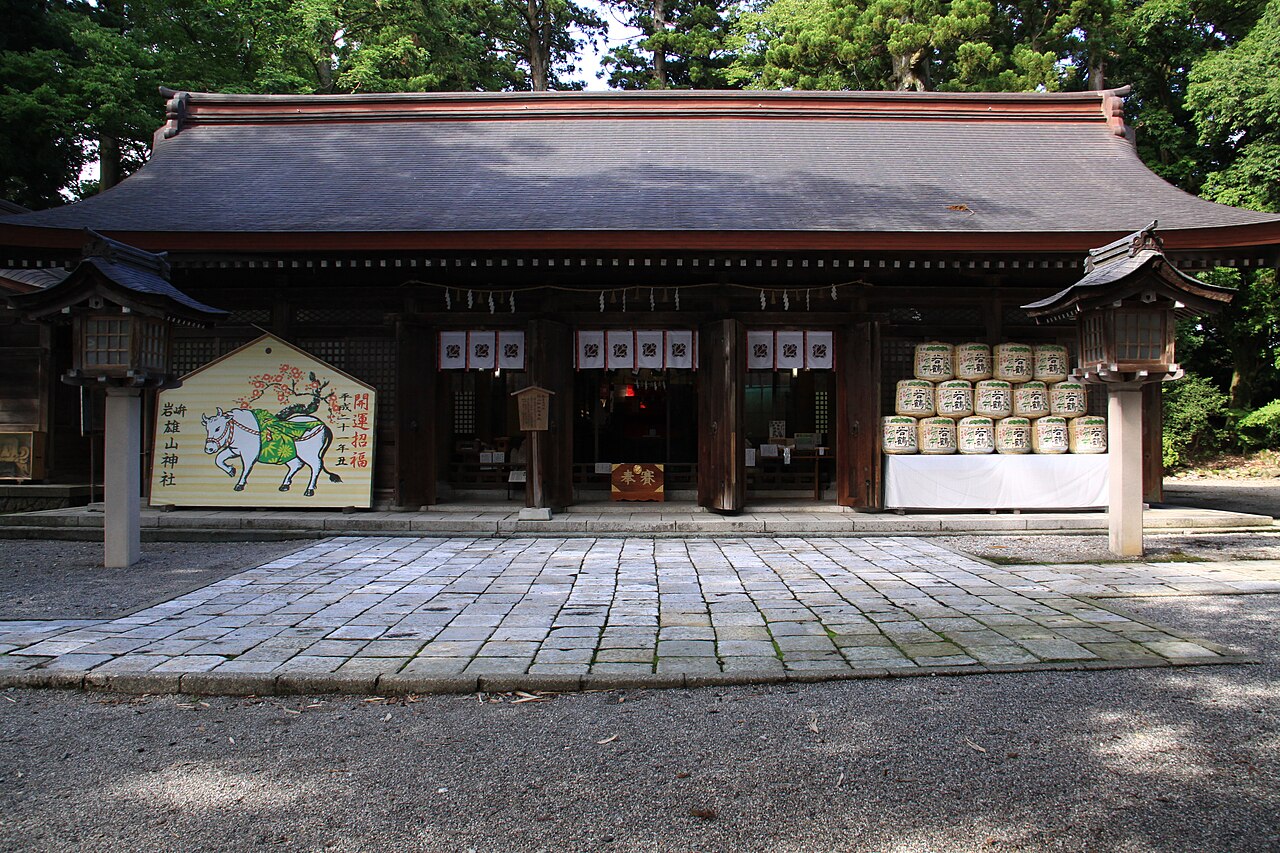
Oyama Shrine Maetate Shadan
Maetate Shadan · Oyama Jinja Iwakuraji · 雄山神社 前立社壇
overview
What this place is
The Maetate Shadan at Iwakuraji in Tateyama is one of the three parts of Oyama Shrine, which carries the faith of Mount Tateyama. It enshrines Izanagi-no-Kami and Ame-no-Tajikarao-no-Kami, together with the Mine Honsha on the summit and the Chugu Kiganden at Ashikuraji. Standing on level ground, it can be visited all year round without a climb, and stands as the hall set before the shrine on the peak.
- One of the three parts of Oyama Shrine, on level ground at the foot of the mountain
- A visit possible all year round, with no climb involved
- Izanagi-no-Kami and Ame-no-Tajikarao-no-Kami, the deities of Tateyama
- The hall set before the shrine on the summit, on the way up from the plain
plan your visit
Visit facts for Oyama Shrine Maetate Shadan
- Access
- About 40 minutes from Dentetsu-Toyama Station on the Toyama Chiho Railway to Iwakuraji Station, then about 10 minutes on foot. Check how often the trains run and how they connect.
- Nearest station
- Iwakuraji Station (Toyama Chiho Railway)
- Hours
- The grounds can be visited throughout the year. Check the shrine’s own information for prayers, the amulet desk and festival days.
- Fees
- Visiting the grounds is free. Prayers and amulets are separate.
- Parking
- Available in Japanese only: 公式駐車場を利用し、祭事日の交通案内を確認します。
- Goshuin (seal stamps)
- Goshuin are given at the shrine, but the desk and its hours are not published, so confirm on the day.
- Typical visit
- About 45 minutes (Unmeguri's estimate, not an official figure)
- Facts checked
- 2026-10-22
background
Enshrined deities
Izanagi-no-Kami · Ame-no-Tajikarao-no-Kami
The Maetate Shadan enshrines Izanagi-no-Kami and Ame-no-Tajikarao-no-Kami, and together with the Mine Honsha on the summit of Tateyama and the Chugu Kiganden at Ashikuraji it makes up Oyama Shrine.
etiquette
Visiting with respect
- This is one of three parts of the shrine, and visiting all three is not required; the Maetate Shadan alone is a complete visit.
- The Mine Honsha on the summit is a climb with its own season and conditions; do not fold it into this visit.
- Do not touch or climb on the halls, and follow the notices on photography.
- The number of amulets or the size of an offering is not a measure of anything.
- Check the return train before you set out, as services are limited.
- Hours, fees and reception can change; check the official information before you go.
faq
Common questions
How do I get to Oyama Shrine Maetate Shadan?
About 40 minutes from Dentetsu-Toyama Station on the Toyama Chiho Railway to Iwakuraji Station, then about 10 minutes on foot. Check how often the trains run and how they connect. Nearest station: Iwakuraji Station (Toyama Chiho Railway).
How much does it cost to visit Oyama Shrine Maetate Shadan?
Visiting the grounds is free. Prayers and amulets are separate.
What are the opening hours of Oyama Shrine Maetate Shadan?
The grounds can be visited throughout the year. Check the shrine’s own information for prayers, the amulet desk and festival days.
Is there parking at Oyama Shrine Maetate Shadan?
Parking information for Oyama Shrine Maetate Shadan is available in Japanese only: 公式駐車場を利用し、祭事日の交通案内を確認します。
How long should I spend at Oyama Shrine Maetate Shadan?
Unmeguri's estimate for a visit is about 45 minutes. This is an editorial estimate, not an official figure.
Can I get a goshuin at Oyama Shrine Maetate Shadan?
Goshuin are given at the shrine, but the desk and its hours are not published, so confirm on the day.
What is the Maetate Shadan?
One of the three parts of Oyama Shrine, standing on level ground at Iwakuraji, before the shrine on the summit of Mount Tateyama.
Do I need to climb Mount Tateyama?
No. The Maetate Shadan is on level ground and can be visited all year. The summit shrine is a separate climb.
Which deities are enshrined?
Izanagi-no-Kami and Ame-no-Tajikarao-no-Kami, the deities of the Tateyama faith.
sources
Sources and checked dates
Facts last checked on 2026-10-22. Sources are in Japanese. Unmeguri separates officially documented facts from its own editorial reading, and does not promise that any wish or outcome will be realized.