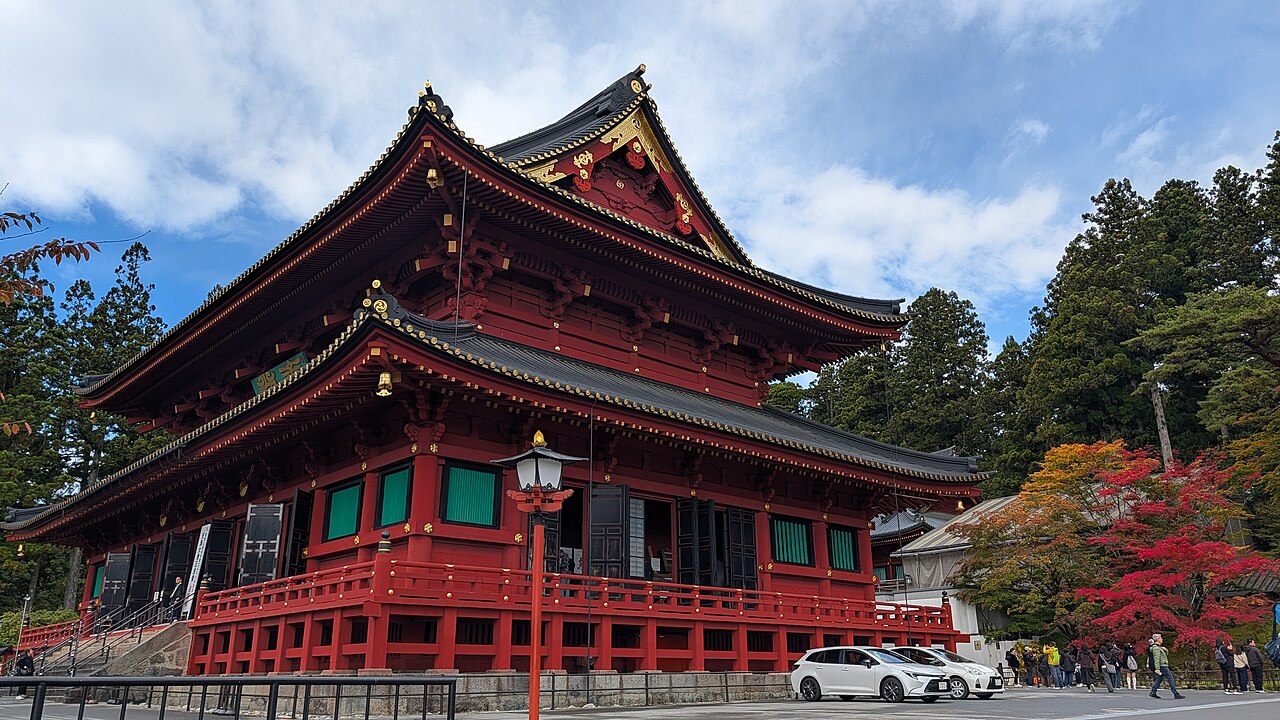
Rinnoji Temple
Nikkozan Rinnoji · Rinnō-ji · 日光山輪王寺
overview
What this place is
Rinnoji is a Tendai Buddhist temple in the Sannai district of Nikko, Tochigi Prefecture, that developed as the temple overseeing the halls of the sacred Nikko mountains. Its history is traced to 766, when the monk Shodo Shonin founded Shihonryuji temple, an event regarded as the beginning of Nikkozan, and it was registered in 1999 as part of the World Heritage site Shrines and Temples of Nikko. The Sanbutsudo hall houses three principal images: Senju Kannon, Amida Nyorai, and Bato Kannon.
- The Sanbutsudo hall with its three principal images: Senju Kannon, Amida Nyorai, and Bato Kannon
- The Taiyuin precinct and the Shoyoen garden with its treasure house, each visited with separate tickets
- A history traced to 766, when Shodo Shonin opened the Nikko mountains
- Part of the World Heritage site Shrines and Temples of Nikko, registered in 1999
plan your visit
Visit facts for Rinnoji Temple
- Access
- About 2 hours from Tokyo Station by JR lines via Utsunomiya to Nikko, then about 10 minutes by the World Heritage sightseeing bus and about 2 minutes on foot from the Shodo-Shonin-zo-mae bus stop.
- Nearest station
- Shodo-Shonin-zo-mae bus stop (World Heritage sightseeing bus) / Tobu-Nikko Station and JR Nikko Station
- Hours
- The Sanbutsudo, the Taiyuin, and the Shoyoen garden with the treasure house keep separate hours and can pause for ceremonies and events, so check the official information before you visit.
- Fees
- Each area has its own admission ticket, and combined tickets are also offered. Check the official information for the current fees and which areas are open.
- Parking
- Available in Japanese only: 世界遺産地区の公式駐車場を利用。週末・紅葉期は公共交通と渋滞情報を確認します。
- Goshuin (seal stamps)
- Goshuin (temple seal stamps) are offered at reception desks that differ by hall; reception hours can change, so check on site at the hall you have visited.
- Typical visit
- About 90 minutes (Unmeguri's estimate, not an official figure)
- Facts checked
- 2026-10-22
background
Principal image
Senju Kannon (Thousand-armed Kannon) · Amida Nyorai · Bato Kannon (Horse-headed Kannon)
The Sanbutsudo hall enshrines Senju Kannon, Amida Nyorai, and Bato Kannon. The three images express the historical fusion of Buddhist and Shinto worship that links them with the three sacred mountains of Nikko.
etiquette
Visiting with respect
- At the halls, place a donation in the offering box, put your hands together quietly, and bow; unlike at a shrine, you do not clap at a temple.
- Follow on-site signs about photography, especially inside the halls, around ceremonies, and near cultural properties.
- The Sanbutsudo, Taiyuin, and Shoyoen are separate areas with slopes and stairs between them; you do not need to see them all in one visit.
- Do not touch the World Heritage buildings, Buddhist images, or garden features, and stay within the marked visitor areas.
- Hours, fees and reception can change; check the official information before you go.
faq
Common questions
How do I get to Rinnoji Temple?
About 2 hours from Tokyo Station by JR lines via Utsunomiya to Nikko, then about 10 minutes by the World Heritage sightseeing bus and about 2 minutes on foot from the Shodo-Shonin-zo-mae bus stop. Nearest station: Shodo-Shonin-zo-mae bus stop (World Heritage sightseeing bus) / Tobu-Nikko Station and JR Nikko Station.
How much does it cost to visit Rinnoji Temple?
Each area has its own admission ticket, and combined tickets are also offered. Check the official information for the current fees and which areas are open.
What are the opening hours of Rinnoji Temple?
The Sanbutsudo, the Taiyuin, and the Shoyoen garden with the treasure house keep separate hours and can pause for ceremonies and events, so check the official information before you visit.
Is there parking at Rinnoji Temple?
Parking information for Rinnoji Temple is available in Japanese only: 世界遺産地区の公式駐車場を利用。週末・紅葉期は公共交通と渋滞情報を確認します。
How long should I spend at Rinnoji Temple?
Unmeguri's estimate for a visit is about 90 minutes. This is an editorial estimate, not an official figure.
Can I get a goshuin at Rinnoji Temple?
Goshuin (temple seal stamps) are offered at reception desks that differ by hall; reception hours can change, so check on site at the hall you have visited.
What is Rinnoji known for?
It is known for the Sanbutsudo hall with its three principal images, for the mountain worship begun when Shodo Shonin opened Nikko in 766, and for its place in the World Heritage site Shrines and Temples of Nikko.
sources
Sources and checked dates
Facts last checked on 2026-10-22. Sources are in Japanese. Unmeguri separates officially documented facts from its own editorial reading, and does not promise that any wish or outcome will be realized.