Okuni Shrine
Okunijinja · Totoumi Ichinomiya Okuni Shrine · 小國神社
overview
What this place is
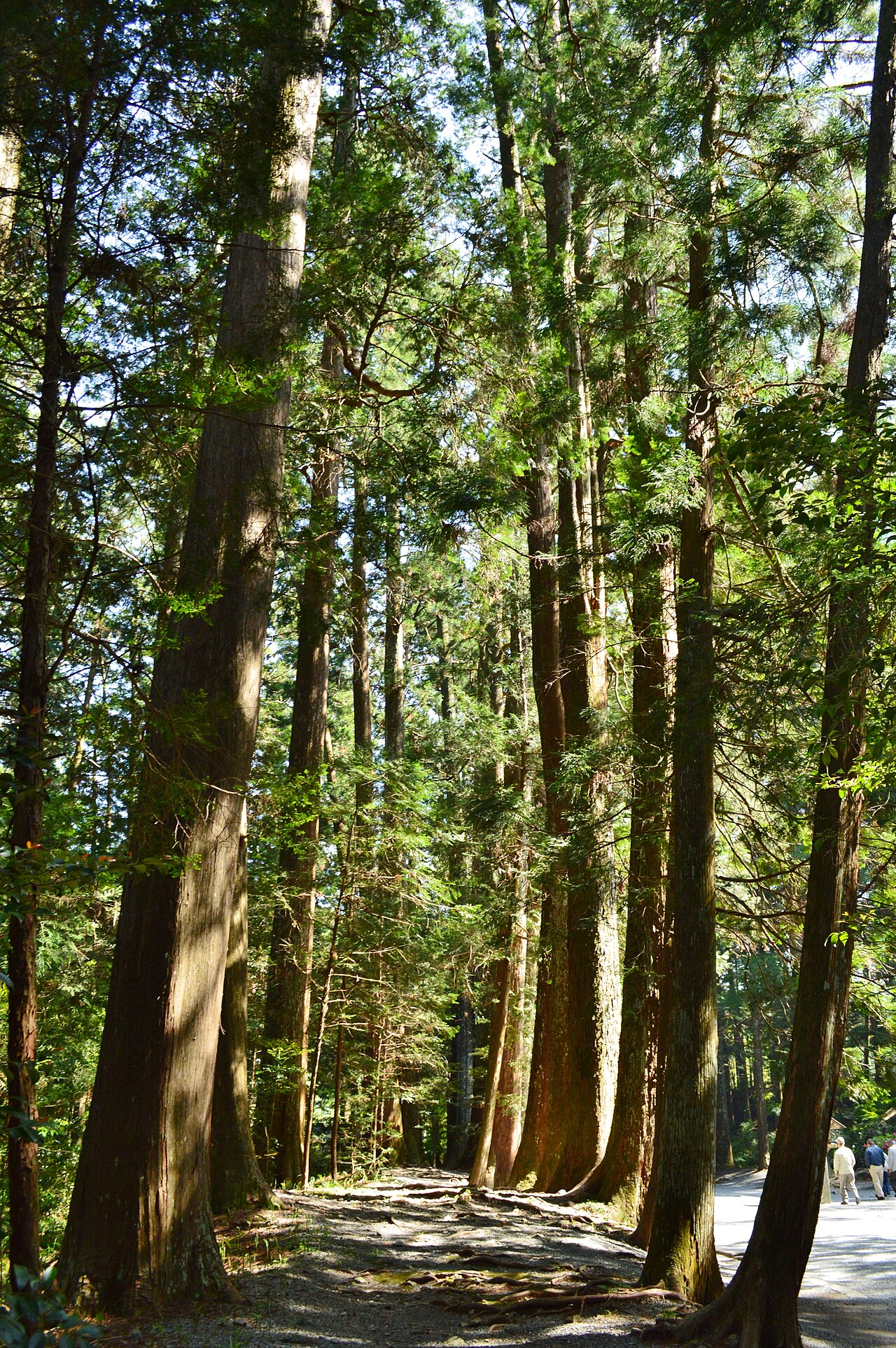
Okuni Shrine stands in Mori, Shizuoka Prefecture, and is the leading shrine (ichinomiya) of the old Totomi Province. It enshrines Onamuchi-no-Mikoto, also known as Okuninushi. A shrine record of 1680 relates that the spirit of the deity was enshrined on the peak of Hongu in 555 and that the halls were later built at this site, about six kilometres away. The grounds cover some 300,000 tsubo of cedar, cypress and pine known as the ancient forest.
- An approach through the cedars of the grounds the shrine calls the ancient forest
- The largest cedar in the precinct, standing on the east side of the approach
- A tree with two trunks that cross, associated with ties between people
- The Miyagawa river running down from Mt. Hongu, with cherry and maple along it
plan your visit
Visit facts for Okuni Shrine
- Access
- About 150 minutes from Tokyo Station by the Tokaido Shinkansen towards Kakegawa or Fukuroi and on by the Tenryu Hamanako Railway or an Akiha bus. From Enshu-Ichinomiya Station the shrine gives about 50 minutes on foot.
- Nearest station
- Okuni Jinja bus stop (Akiha bus) / Enshu-Ichinomiya Station
- Hours
- The shrine does not publish a single opening and closing time for the grounds. Prayer services are held every day from 9:00 to 16:00, cannot be booked, and usually take 20 to 30 minutes. Do not assume the amulet and goshuin desks keep the same hours.
- Fees
- There is no admission charge for an ordinary visit to the grounds. A prayer service is from 5,000 yen for one request. A prayer by post costs the same plus a flat 1,000 yen nationwide for sending the tablet, for one to four requests.
- Parking
- Available in Japanese only: 公式案内は無料駐車場約700台としていますが、掲載マップは2024年12月時点で、第5駐車場は工事中・工事後も繁忙期のみ利用と案内されています。正月、七五三、紅葉期は交通規制や利用停止があり得るため、台数だけで空車を保証せず当日案内を確認します。
- Goshuin (seal stamps)
- A goshuin is given as a record of your visit; the amount is confirmed on site. The autumn-maple goshuin book is listed at 1,200 yen, with the goshuin itself charged separately.
- Typical visit
- About 90 minutes (Unmeguri's estimate, not an official figure)
- Facts checked
- 2026-10-22
background
Enshrined deity
Onamuchi-no-Mikoto (Okuninushi)
The shrine enshrines Onamuchi-no-Mikoto, also called Okuninushi. The official guidance introduces him as the gentle deity who helped the white hare of Inaba, and describes associations with the making of the land, with farming, forestry, mining and medicine, with prosperity in work, harmony between husband and wife, ties between people, protection from misfortune and safety on the road.
etiquette
Visiting with respect
- Bow lightly once before passing through the torii gate, and rinse your hands at the water basin before approaching the hall.
- The name "ancient forest" is how the shrine speaks of its precinct; it explains that planting became active about 200 years ago, so this is not untouched primeval woodland.
- Do not enter the hollow of the great fallen cedar, touch the standing trees or their roots, or take fruit, branches or leaves away with you.
- The official phrase about wishes being granted is not an assurance of a relationship, of sales, of recovery or of a return on an investment; separate what you can choose to do from what you cannot choose.
- A prayer for health does not take the place of a diagnosis, treatment or a consultation; if travelling would be hard on you, a prayer by post is a proper alternative.
- The direct bus service varies by season in days and frequency, so check the return service when you set out.
- Hours, fees and reception can change; check the official information before you go.
faq
Common questions
How do I get to Okuni Shrine?
About 150 minutes from Tokyo Station by the Tokaido Shinkansen towards Kakegawa or Fukuroi and on by the Tenryu Hamanako Railway or an Akiha bus. From Enshu-Ichinomiya Station the shrine gives about 50 minutes on foot. Nearest station: Okuni Jinja bus stop (Akiha bus) / Enshu-Ichinomiya Station.
How much does it cost to visit Okuni Shrine?
There is no admission charge for an ordinary visit to the grounds. A prayer service is from 5,000 yen for one request. A prayer by post costs the same plus a flat 1,000 yen nationwide for sending the tablet, for one to four requests.
What are the opening hours of Okuni Shrine?
The shrine does not publish a single opening and closing time for the grounds. Prayer services are held every day from 9:00 to 16:00, cannot be booked, and usually take 20 to 30 minutes. Do not assume the amulet and goshuin desks keep the same hours.
Is there parking at Okuni Shrine?
Parking information for Okuni Shrine is available in Japanese only: 公式案内は無料駐車場約700台としていますが、掲載マップは2024年12月時点で、第5駐車場は工事中・工事後も繁忙期のみ利用と案内されています。正月、七五三、紅葉期は交通規制や利用停止があり得るため、台数だけで空車を保証せず当日案内を確認します。
How long should I spend at Okuni Shrine?
Unmeguri's estimate for a visit is about 90 minutes. This is an editorial estimate, not an official figure.
Can I get a goshuin at Okuni Shrine?
A goshuin is given as a record of your visit; the amount is confirmed on site. The autumn-maple goshuin book is listed at 1,200 yen, with the goshuin itself charged separately.
Can I ask for a prayer without visiting?
Yes. The shrine offers prayers by post for those who cannot come, at the same amount plus a flat 1,000 yen for sending the tablet.
sources
Sources and checked dates
- ご参拝の皆様へ|遠江国一宮 小國神社(opens in a new tab)
- 御祭神とご由緒|遠江国一宮 小國神社(opens in a new tab)
- 歴史|遠江国一宮 小國神社(opens in a new tab)
- 境内の自然|遠江国一宮 小國神社(opens in a new tab)
- 境内の施設等|遠江国一宮 小國神社(opens in a new tab)
- 祈祷・ご祈願|遠江国一宮 小國神社(opens in a new tab)
- 郵送によるご祈祷について|遠江国一宮 小國神社(opens in a new tab)
- 福徳授与品|遠江国一宮 小國神社(opens in a new tab)
- 仕事守のご案内|遠江国一宮 小國神社(opens in a new tab)
- もみじめぐり御朱印帳のご案内|遠江国一宮 小國神社(opens in a new tab)
- 交通案内|遠江国一宮 小國神社(opens in a new tab)
- 小國神社・開運線|秋葉バスサービス(opens in a new tab)
- 小國神社|静岡県観光公式サイト Hello Navi(opens in a new tab)
Facts last checked on 2026-10-22. Sources are in Japanese. Unmeguri separates officially documented facts from its own editorial reading, and does not promise that any wish or outcome will be realized.