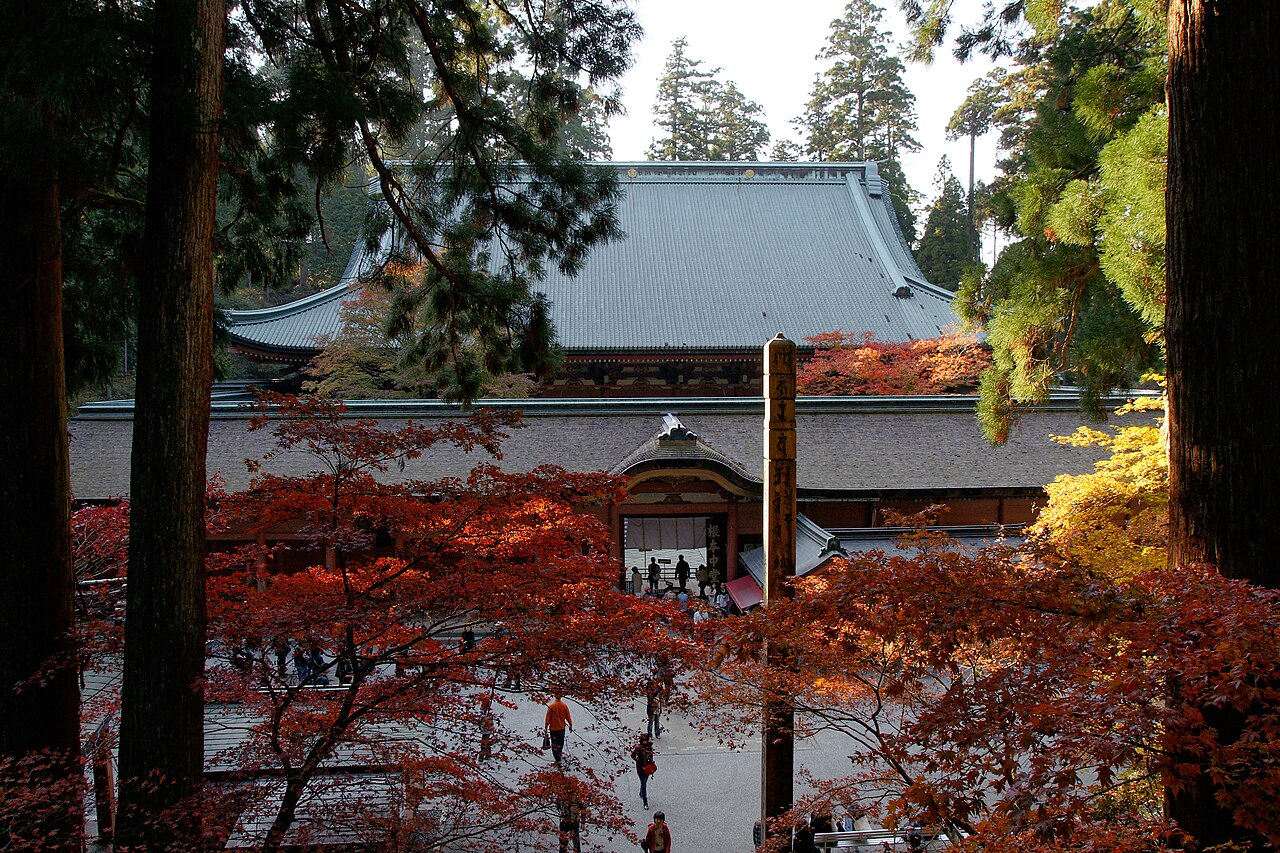
Enryakuji Temple
Hieizan Enryakuji · Enryaku-ji · 比叡山延暦寺
overview
What this place is
Enryakuji is the head temple of the Tendai school, spread across Mt. Hiei in Otsu, Shiga Prefecture: some hundred halls over 1,700 hectares, in the three precincts of Todo, Saito and Yokawa. Saicho founded it in 788 and enshrined Yakushi Nyorai. The Konpon Chudo of 1642 is a National Treasure, and from 6 January 2026 until about January 2028 its interior is closed for restoration, with the standing image before the principal image and the unfailing lamp moved to the Manpaido.
- The Konpon Chudo of 1642, a National Treasure, under a restoration running from 2016 for about fifteen years
- The standing image and the unfailing lamp, kept in the Manpaido while the hall is closed
- A viewing stage over the restoration works, planned to remain until about December 2026
- The twelve divine generals, restored and now shown in the treasure hall
plan your visit
Visit facts for Enryakuji Temple
- Access
- About 200 minutes from Tokyo Station by Shinkansen to Kyoto Station and on by the Hieizan drive bus to the Enryakuji bus centre. From the Shiga side, take the Sakamoto cable car from JR Hieizan-Sakamoto Station or Keihan Sakamoto-Hieizanguchi Station.
- Nearest station
- Cable Enryakuji Station (Sakamoto cable car) / Enryakuji bus centre
- Hours
- The Todo precinct is open from 9:00 to 16:00 all year, with the pilgrimage desk closing at 15:45. Storms and snow can change the hours or close the halls early, and services and events can restrict entry.
- Fees
- A combined pilgrimage ticket for Todo, Saito and Yokawa is 1,000 yen for adults, 600 yen for junior-high and high-school students and 300 yen for primary pupils. The treasure hall is 500 yen, 300 yen and 100 yen. A goma prayer at the Konpon Chudo is from 5,000 yen.
- Parking
- Available in Japanese only: 車は比叡山ドライブウェイまたは奥比叡ドライブウェイを利用します。延暦寺公式の交通ページは所要経路を案内していますが、各地区の駐車台数や満車時対応までは示していません。通行料、営業時間、冬用装備、規制、駐車場所を各道路の当日情報で確認し、山内道路や工事動線で待機・路上駐車しません。
- Goshuin (seal stamps)
- A limited goshuin is issued at the Manpaido during the special enshrinement, at 1,000 yen a sheet. Other desks and their arrangements are best confirmed on the day.
- Typical visit
- About 120 minutes (Unmeguri's estimate, not an official figure)
- Facts checked
- 2026-10-22
background
Principal image
Yakushi Nyorai (Konpon Chudo)
The principal image of the Konpon Chudo, the main hall of Enryakuji, is Yakushi Nyorai. From 6 January 2026 the interior is closed for about two years for major restoration, and from 8 January the standing image that stands before the hidden principal image, together with the unfailing lamp, has been placed in the Manpaido. The lamp is kept by people who tend it, repair the buildings and pass them on.
etiquette
Visiting with respect
- The interior of the Konpon Chudo cannot be entered until about January 2028; the standing image and the lamp are in the Manpaido instead.
- Enryakuji is not one building: some hundred halls are spread over 1,700 hectares in three precincts, and reaching all of them is not what makes a visit.
- The viewing stage takes you up above the works; follow the staff and do not lean out or touch the scaffolding, materials or fittings.
- Do not touch the halls, the images, the lamp or the restored fittings, and follow the notices on photography.
- The mountain has slopes, steps and unpaved sections, and the weather turns quickly; check the season, snow and the works route before you set out.
- The number of halls, goshuin, donations or prayers is not a measure of anything; the Todo precinct alone is a complete visit.
- Hours, fees and reception can change; check the official information before you go.
faq
Common questions
How do I get to Enryakuji Temple?
About 200 minutes from Tokyo Station by Shinkansen to Kyoto Station and on by the Hieizan drive bus to the Enryakuji bus centre. From the Shiga side, take the Sakamoto cable car from JR Hieizan-Sakamoto Station or Keihan Sakamoto-Hieizanguchi Station. Nearest station: Cable Enryakuji Station (Sakamoto cable car) / Enryakuji bus centre.
How much does it cost to visit Enryakuji Temple?
A combined pilgrimage ticket for Todo, Saito and Yokawa is 1,000 yen for adults, 600 yen for junior-high and high-school students and 300 yen for primary pupils. The treasure hall is 500 yen, 300 yen and 100 yen. A goma prayer at the Konpon Chudo is from 5,000 yen.
What are the opening hours of Enryakuji Temple?
The Todo precinct is open from 9:00 to 16:00 all year, with the pilgrimage desk closing at 15:45. Storms and snow can change the hours or close the halls early, and services and events can restrict entry.
Is there parking at Enryakuji Temple?
Parking information for Enryakuji Temple is available in Japanese only: 車は比叡山ドライブウェイまたは奥比叡ドライブウェイを利用します。延暦寺公式の交通ページは所要経路を案内していますが、各地区の駐車台数や満車時対応までは示していません。通行料、営業時間、冬用装備、規制、駐車場所を各道路の当日情報で確認し、山内道路や工事動線で待機・路上駐車しません。
How long should I spend at Enryakuji Temple?
Unmeguri's estimate for a visit is about 120 minutes. This is an editorial estimate, not an official figure.
Can I get a goshuin at Enryakuji Temple?
A limited goshuin is issued at the Manpaido during the special enshrinement, at 1,000 yen a sheet. Other desks and their arrangements are best confirmed on the day.
Can I go inside the Konpon Chudo?
Not at present. The interior is closed from 6 January 2026 until about January 2028 for restoration. The standing image and the unfailing lamp are in the Manpaido.
sources
Sources and checked dates
- 根本中堂ご本尊御前立・不滅の法灯特別奉安について|比叡山延暦寺(opens in a new tab)
- 国宝根本中堂大改修|比叡山延暦寺(opens in a new tab)
- 根本中堂改修見学会|比叡山延暦寺(opens in a new tab)
- 境内の概要|比叡山延暦寺(opens in a new tab)
- 東塔|比叡山延暦寺(opens in a new tab)
- 歴史|比叡山延暦寺(opens in a new tab)
- 祖師 伝教大師最澄|比叡山延暦寺(opens in a new tab)
- 巡拝時間・料金|比叡山延暦寺(opens in a new tab)
- 交通案内|比叡山延暦寺(opens in a new tab)
- ご祈祷について|比叡山延暦寺(opens in a new tab)
- 御朱印案内|比叡山延暦寺(opens in a new tab)
- 仏像修理|比叡山延暦寺(opens in a new tab)
- 国宝殿|比叡山延暦寺(opens in a new tab)
- 施設の休止情報|京都観光Navi(opens in a new tab)
Facts last checked on 2026-10-22. Sources are in Japanese. Unmeguri separates officially documented facts from its own editorial reading, and does not promise that any wish or outcome will be realized.