Jozaiji Temple
Jozai-ji · Shiotatsu Jozaiji · 常在寺
overview
What this place is
Jozaiji in Ureshino is related as built in the early eighth century and as having turned from the Sanron school to Shingon in 1012. On the hill behind it stand stone figures set out after the pilgrimage of the eighty-eight temples of Shikoku; a survey by the city counted 138 figures, an image of Kobo Daishi and 275 bases. The pair of stone Nio at the gate were carved from local stone in 1825 and designated a city cultural property in 1980.
- Stone figures after the eighty-eight temples of Shikoku
- 138 figures and 275 bases counted by the city
- Stone Nio of 1825, a city cultural property since 1980
- A founding related to the early eighth century
photo scope
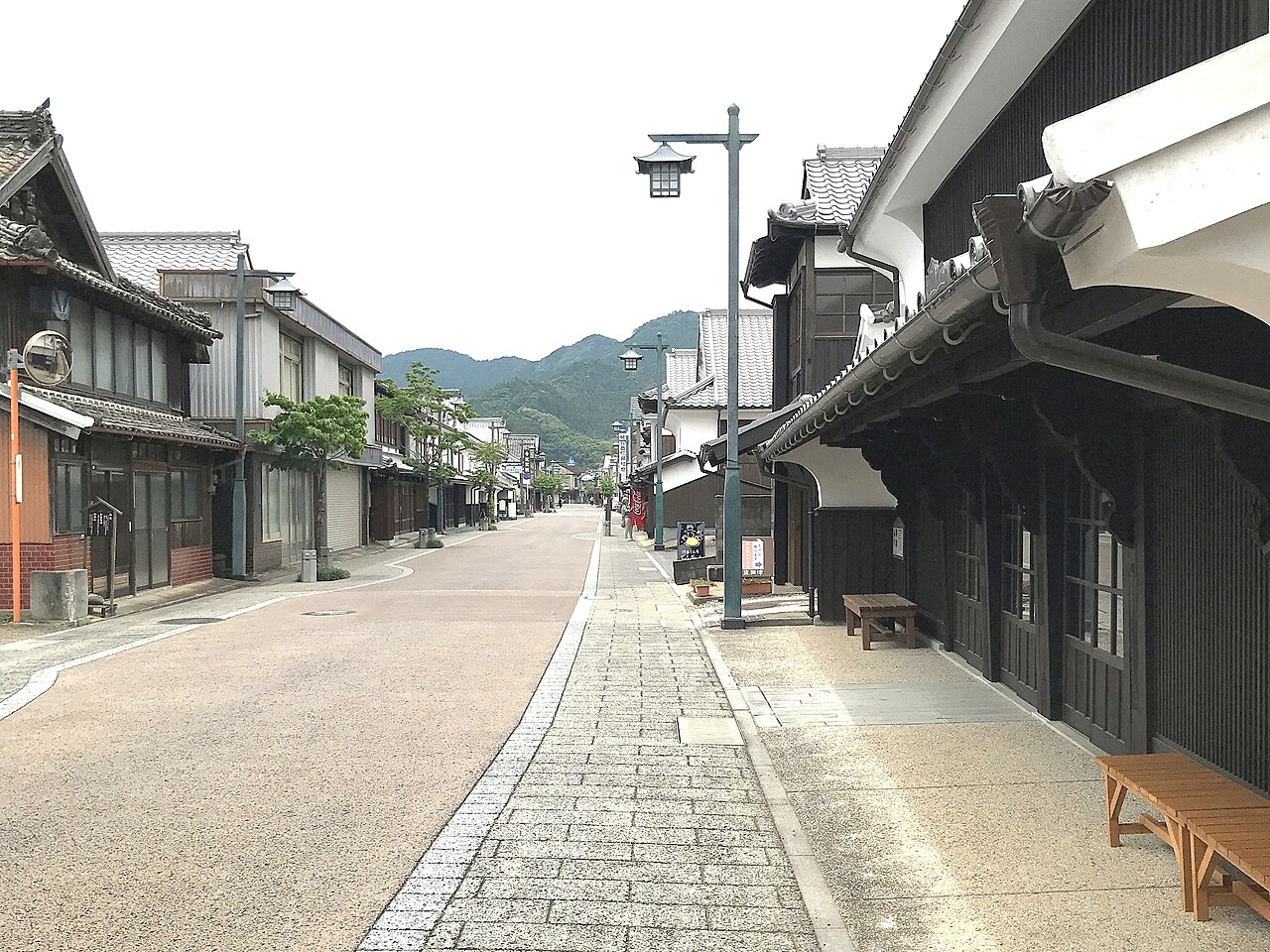
Surrounding view
We haven't yet confirmed a reusable photo of the location itself. To avoid confusing it with somewhere nearby, the photo below shows only the surrounding area, and is labeled as such.
plan your visit
Visit facts for Jozaiji Temple
- Access
- From JR Hizen-Kashima Station towards the Shiotatsu district; check the current bus times and stops with the operator. The public material used here gives the history and the location, and the route and time are our own estimate.
- Nearest station
- JR Hizen-Kashima Station (Nagasaki Main Line)
- Hours
- The material checked does not give hours for ordinary visiting, for the hill or for how far into the halls and the stone figures one may go. Ask on the spot or at the temple about what is open and about services.
- Fees
- The material checked gives no fee, goshuin, amulets or reception for prayers. Nothing of the kind is guessed at here.
- Typical visit
- About 40 minutes (Unmeguri's estimate, not an official figure)
- Facts checked
- 2026-10-22
background
Central feature
The stone figures of the eighty-eight of Shikoku · The stone Nio figures of 1825
The city itself records the account of a founding by Gyoki in 708 as tradition, and the sources checked do not settle the temple’s principal image; the counts of figures and bases are not turned into a measure of faith or of anything received.
etiquette
Visiting with respect
- There are hill paths, stone steps, unpaved ground and old stonework.
- Ending at the gate and the opened part, without going up the hill, is a complete visit.
- Do not enter private land, the halls or the graves without permission.
- Do not clap at a temple, and keep your voice down.
- Do not move or take anything from the stone figures.
- Hours, fees and reception can change; check the official information before you go.
faq
Common questions
How do I get to Jozaiji Temple?
From JR Hizen-Kashima Station towards the Shiotatsu district; check the current bus times and stops with the operator. The public material used here gives the history and the location, and the route and time are our own estimate. Nearest station: JR Hizen-Kashima Station (Nagasaki Main Line).
How much does it cost to visit Jozaiji Temple?
The material checked gives no fee, goshuin, amulets or reception for prayers. Nothing of the kind is guessed at here.
What are the opening hours of Jozaiji Temple?
The material checked does not give hours for ordinary visiting, for the hill or for how far into the halls and the stone figures one may go. Ask on the spot or at the temple about what is open and about services.
How long should I spend at Jozaiji Temple?
Unmeguri's estimate for a visit is about 40 minutes. This is an editorial estimate, not an official figure.
What are the stone figures?
Figures set out after the pilgrimage of the eighty-eight temples of Shikoku, counted by the city as 138 with 275 bases.
What is the principal image?
The sources checked do not settle it, so it is not given here.
How old is the gate’s stonework?
The pair of stone Nio were carved from local stone in 1825 and became a city cultural property in 1980.
sources
Sources and checked dates
- 常在寺「四国八十八尊」の調査記録|嬉野市(opens in a new tab)
- 常在寺の由緒・石造仁王像|地域観光資源の多言語解説文データベース(opens in a new tab)
- 常在寺の石造仁王像|地域観光資源の多言語解説文データベース(opens in a new tab)
- 塩田津伝統的建造物群保存地区|佐賀県(opens in a new tab)
Facts last checked on 2026-10-22. Sources are in Japanese. Unmeguri separates officially documented facts from its own editorial reading, and does not promise that any wish or outcome will be realized.