Gongen-san and the Thirteen Buddhas
Gongensan · Jusan Butsu · 権現さん・十三仏
overview
What this place is
In the hills of Nishi-Yoshida in Ureshino stand the cave known as Gongen-san and a group of stone figures called the Thirteen Buddhas — five Nyorai, seven Bosatsu and one Myoo. Public information relates that the figures were carved in Shikoku, brought by boat to Shiotatsu and carried up here by hand in the early Showa period. The place is one of the eighty-eight of Ureshino and a resting point on the Olle route.
- Stone figures of five Nyorai, seven Bosatsu and one Myoo
- Carved in Shikoku and carried up by hand in the early Showa period
- A cave known as Gongen-san, spoken of as a water deity
- One of the eighty-eight of Ureshino, on the Olle route
photo scope
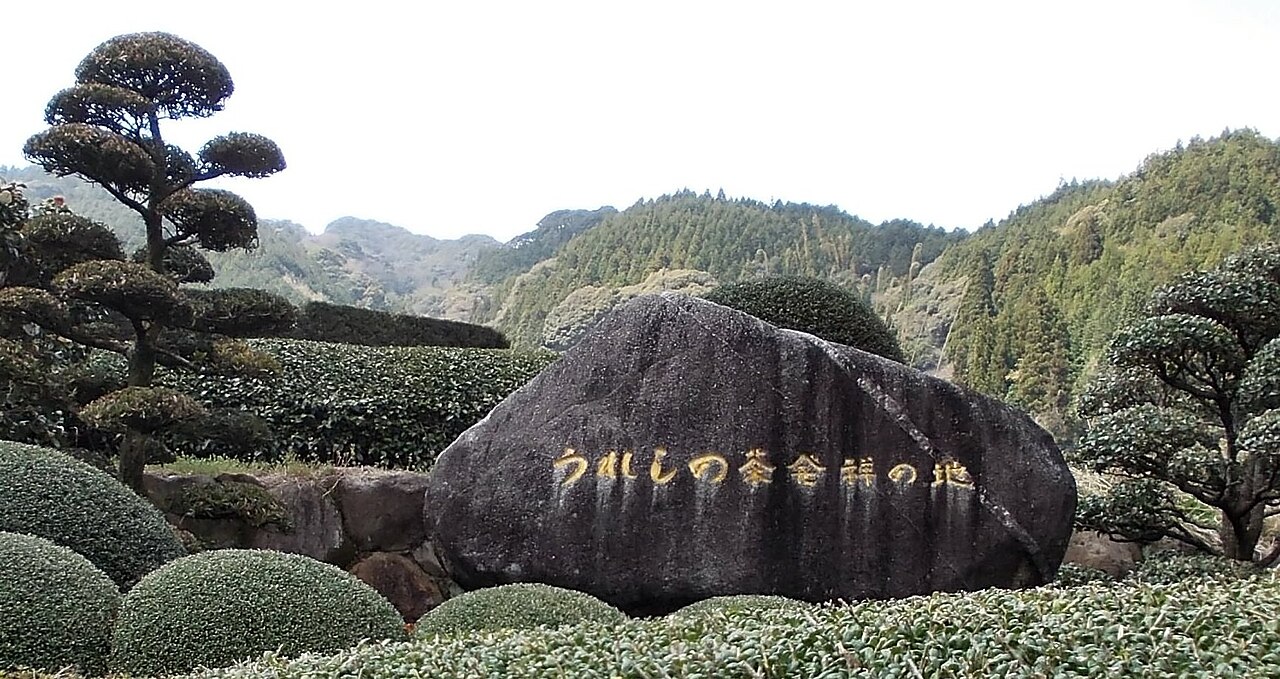
Surrounding view
We haven't yet confirmed a reusable photo of the location itself. To avoid confusing it with somewhere nearby, the photo below shows only the surrounding area, and is labeled as such.
plan your visit
Visit facts for Gongen-san and the Thirteen Buddhas
- Access
- About 25 minutes by car or taxi from Ureshino Onsen Station towards the Nishi-Yoshida district, by our own estimate. Do not assume you will walk the whole Olle route; settle your way back and a short range on the spot first.
- Nearest station
- Ureshino Onsen Station (Nishi-Kyushu Shinkansen)
- Hours
- The public material checked gives no hours and does not say whether the cave may be entered. Check the signs about the cliff, the cave mouth and the figures, and the weather, and look without going into the cave.
- Fees
- The public material checked gives no fee and no religious reception or amulets. Keep this apart from Olle services and transport.
- Typical visit
- About 30 minutes (Unmeguri's estimate, not an official figure)
- Facts checked
- 2026-10-22
background
Central feature
Gongen-san, spoken of as a water deity · The stone figures of the Thirteen Buddhas
The account that Gongen-san has lived in the cave for more than a thousand years and watches over the rice is a local story; it is not made a fact about groundwater, harvests or anything in the body.
etiquette
Visiting with respect
- There are hill paths, level changes, a cliff, the cave mouth and wet ground.
- Do not go into the cave; looking at the figures from a safe distance completes the visit.
- Do not go near in bad weather, where rockfall is signed, or in the dark.
- Read the account of Gongen-san as a local story.
- Do not judge the rock or the risk for yourself from how the stone looks.
- Hours, fees and reception can change; check the official information before you go.
faq
Common questions
How do I get to Gongen-san and the Thirteen Buddhas?
About 25 minutes by car or taxi from Ureshino Onsen Station towards the Nishi-Yoshida district, by our own estimate. Do not assume you will walk the whole Olle route; settle your way back and a short range on the spot first. Nearest station: Ureshino Onsen Station (Nishi-Kyushu Shinkansen).
How much does it cost to visit Gongen-san and the Thirteen Buddhas?
The public material checked gives no fee and no religious reception or amulets. Keep this apart from Olle services and transport.
What are the opening hours of Gongen-san and the Thirteen Buddhas?
The public material checked gives no hours and does not say whether the cave may be entered. Check the signs about the cliff, the cave mouth and the figures, and the weather, and look without going into the cave.
How long should I spend at Gongen-san and the Thirteen Buddhas?
Unmeguri's estimate for a visit is about 30 minutes. This is an editorial estimate, not an official figure.
What are the Thirteen Buddhas?
A group of stone figures: five Nyorai, seven Bosatsu and one Myoo.
How did they get here?
They were carved in Shikoku, brought by boat to Shiotatsu and carried up here by hand in the early Showa period.
Can I go into the cave?
The material checked does not say it may be entered; look from a safe distance instead.
What is Gongen-san?
The cave here, spoken of locally as a water deity said to have lived in it for more than a thousand years.
sources
Sources and checked dates
Facts last checked on 2026-10-22. Sources are in Japanese. Unmeguri separates officially documented facts from its own editorial reading, and does not promise that any wish or outcome will be realized.