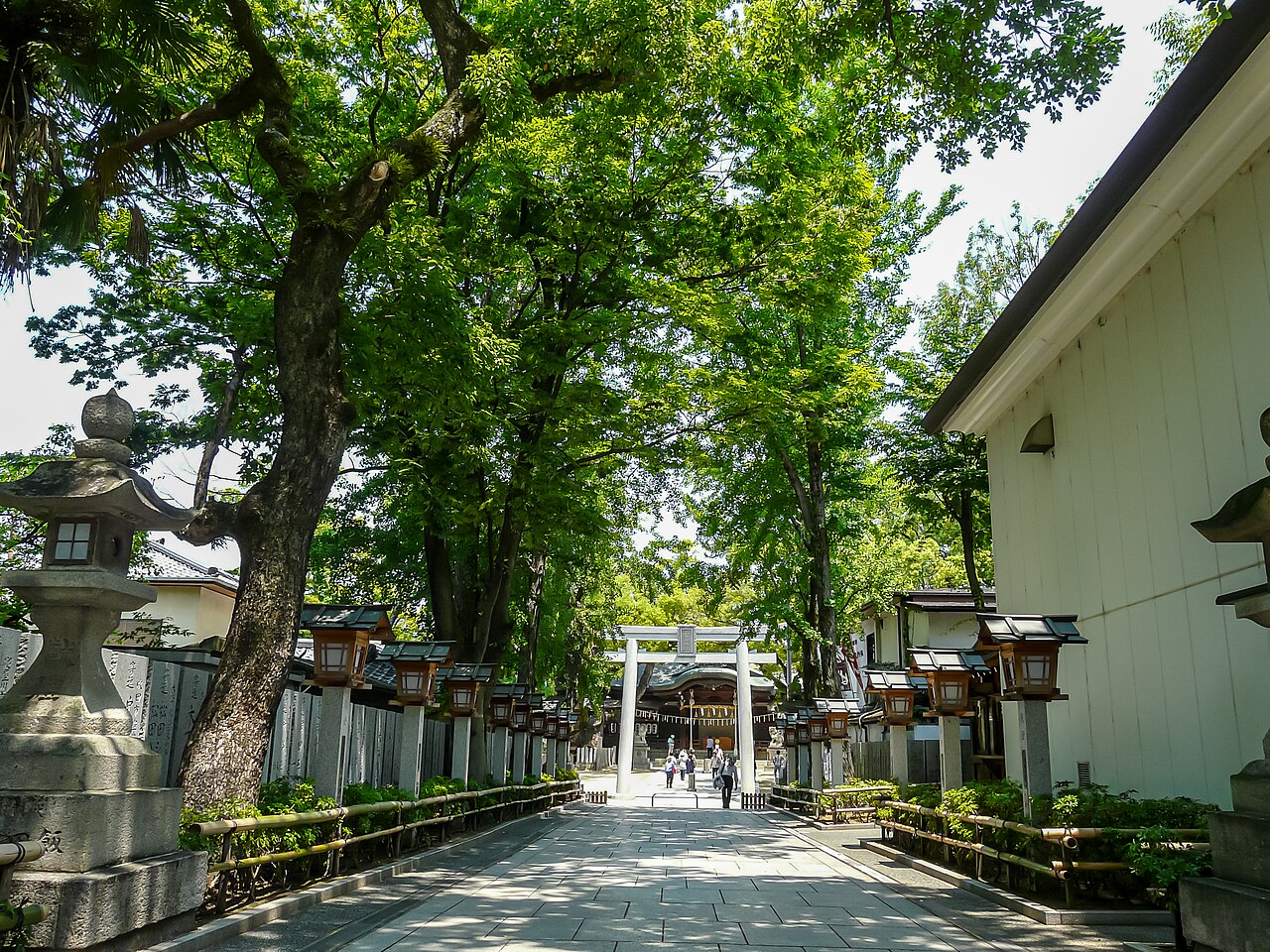
Ishikiri Tsurugiya Jinja Shrine
石切劔箭神社 · Ishikiri Shrine · Ishikiri-san
overview
What this place is
Ishikiri Tsurugiya Jinja is a Shinto shrine in Higashiosaka, at the foot of Mount Ikoma, enshrining Nigihayahi-no-Mikoto and his son Umashimade-no-Mikoto. The shrine appears in the Engishiki register compiled in the Heian period, and its name is explained as expressing a sword and arrows sharp enough to cut through even rock. It is best known for ohyakudo mairi, in which worshippers walk back and forth between two stone markers in front of the main hall — a practice the shrine says may be done at whatever count suits your health.
- The ohyakudo worship path between two stone markers in front of the main hall, on grounds open around the clock
- A listing in the Heian-period Engishiki register and a record of the year 865 in the Nihon Sandai Jitsuroku
- The affectionate name 'Denbo no kamisan', which the shrine explains as deriving from 'denpo', the transmission of sacred rites, rather than from illness alone
- A long-standing following among people engaged in craft and manufacturing, linked to the deities and the Mononobe clan
plan your visit
Visit facts for Ishikiri Tsurugiya Jinja Shrine
- Access
- About 7 minutes on foot from Shin-Ishikiri Station on the Kintetsu Keihanna Line, or about 15 minutes from Ishikiri Station on the Kintetsu Nara Line.
- Nearest station
- Shin-Ishikiri Station (Kintetsu Keihanna Line)
- Hours
- The grounds are open for worship 24 hours a day. The amulet office is open 8:00 to 16:30, and reception for kaji and kito prayer services is 9:00 to 11:30 and 13:00 to 15:30 as a rule, with interruptions during festivals. There are set times during the summer festival in late July when the ohyakudo cannot be walked, so check the official notices.
- Fees
- Worship on the grounds and the ohyakudo practice are free. Kaji and kito prayer services are 3,500 yen for one week and 7,000 yen for two weeks, continuing in steps up to 120,000 yen for one year.
- Parking
- Available in Japanese only: 参拝者駐車場は台数に限りがあるため、公式は公共交通を案内しています。南駐車場は24時間、北駐車場は4:00〜19:00で、入庫済み車両は時間外も出庫できます。料金は最初の1時間300円、以後30分ごと100円です。祭礼・初詣・交通規制時は満車待ちや路上停車をせず、公共交通または延期を選びます。
- Goshuin (seal stamps)
- A regular goshuin is offered at the main shrine office from 8:00 to 16:30. A paper-only summer kirie goshuin is announced for 2026 from July 1 until the end of August or while supplies last, and the Kamino-sha upper shrine keeps separate hours and closing days.
- Typical visit
- About 90 minutes (Unmeguri's estimate, not an official figure)
- Facts checked
- 2026-10-22
background
Enshrined deities
Nigihayahi-no-Mikoto · Umashimade-no-Mikoto
The shrine explains that it enshrines Nigihayahi-no-Mikoto and his son Umashimade-no-Mikoto, and that its name expresses a strength that can cut and pierce even rock. It is widely known for prayers for recovery from illness, which the shrine presents as a matter of faith.
etiquette
Visiting with respect
- The shrine explains that the ohyakudo need not be one hundred rounds; choose a count that suits your health and the weather, and do not treat the number of rounds as a measure of devotion.
- Do not cut across, stop in, or photograph the space between the two ohyakudo stones while others are walking, and do not race or overtake other worshippers.
- Photography is not allowed during prayer services or inside the worship hall, and do not photograph other worshippers or staff without permission.
- Pets are not brought onto the grounds as a rule; follow the official guidance for assistance dogs.
- Hours, fees and reception can change; check the official information before you go.
faq
Common questions
How do I get to Ishikiri Tsurugiya Jinja Shrine?
About 7 minutes on foot from Shin-Ishikiri Station on the Kintetsu Keihanna Line, or about 15 minutes from Ishikiri Station on the Kintetsu Nara Line. Nearest station: Shin-Ishikiri Station (Kintetsu Keihanna Line).
How much does it cost to visit Ishikiri Tsurugiya Jinja Shrine?
Worship on the grounds and the ohyakudo practice are free. Kaji and kito prayer services are 3,500 yen for one week and 7,000 yen for two weeks, continuing in steps up to 120,000 yen for one year.
What are the opening hours of Ishikiri Tsurugiya Jinja Shrine?
The grounds are open for worship 24 hours a day. The amulet office is open 8:00 to 16:30, and reception for kaji and kito prayer services is 9:00 to 11:30 and 13:00 to 15:30 as a rule, with interruptions during festivals. There are set times during the summer festival in late July when the ohyakudo cannot be walked, so check the official notices.
Is there parking at Ishikiri Tsurugiya Jinja Shrine?
Parking information for Ishikiri Tsurugiya Jinja Shrine is available in Japanese only: 参拝者駐車場は台数に限りがあるため、公式は公共交通を案内しています。南駐車場は24時間、北駐車場は4:00〜19:00で、入庫済み車両は時間外も出庫できます。料金は最初の1時間300円、以後30分ごと100円です。祭礼・初詣・交通規制時は満車待ちや路上停車をせず、公共交通または延期を選びます。
How long should I spend at Ishikiri Tsurugiya Jinja Shrine?
Unmeguri's estimate for a visit is about 90 minutes. This is an editorial estimate, not an official figure.
Can I get a goshuin at Ishikiri Tsurugiya Jinja Shrine?
A regular goshuin is offered at the main shrine office from 8:00 to 16:30. A paper-only summer kirie goshuin is announced for 2026 from July 1 until the end of August or while supplies last, and the Kamino-sha upper shrine keeps separate hours and closing days.
What is ohyakudo mairi at Ishikiri Tsurugiya Jinja Shrine?
It is a practice of first praying at the main hall and then walking back and forth between two stone markers in front of it. The shrine states that one hundred rounds are not required and that visitors may choose a count that suits their health and the weather.
sources
Sources and checked dates
- 石切劔箭神社 公式サイト(opens in a new tab)
- お百度参り|石切劔箭神社(opens in a new tab)
- 御加持・御祈祷|石切劔箭神社(opens in a new tab)
- よくあるご質問|石切劔箭神社(opens in a new tab)
- 境内案内|石切劔箭神社(opens in a new tab)
- 御由緒・御祭神|石切劔箭神社(opens in a new tab)
- 交通アクセス|石切劔箭神社(opens in a new tab)
- 令和8年夏季大祭|石切劔箭神社(opens in a new tab)
- 令和8年夏季切り絵御朱印|石切劔箭神社(opens in a new tab)
- 避難指示発令に伴う上之社閉門|石切劔箭神社(opens in a new tab)
Facts last checked on 2026-10-22. Sources are in Japanese. Unmeguri separates officially documented facts from its own editorial reading, and does not promise that any wish or outcome will be realized.