Inunakisan Shipporyuji Temple
犬鳴山七宝瀧寺 · Shipporyu-ji · Inunakisan
overview
What this place is
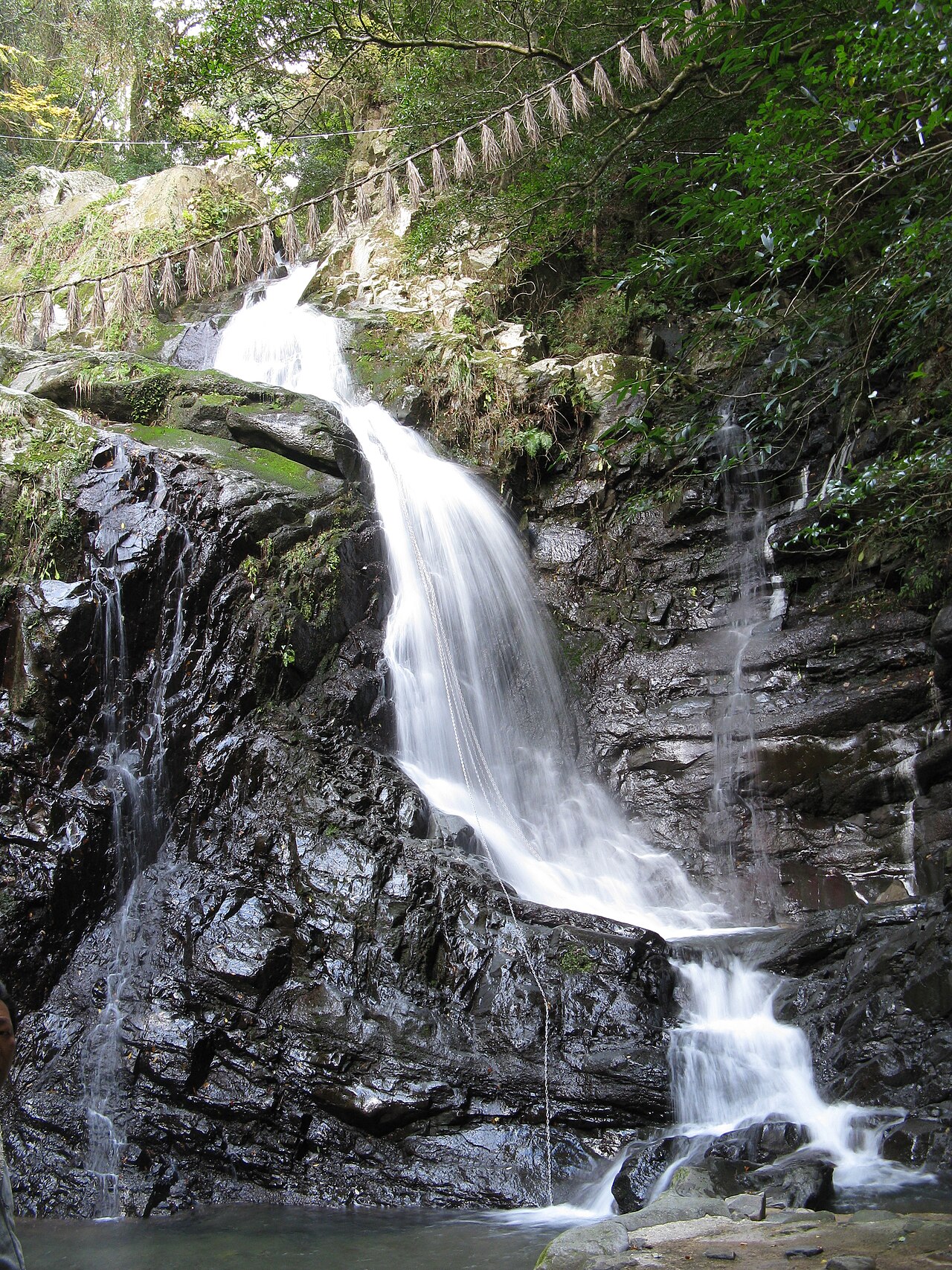
Inunakisan Shipporyuji is a mountain temple of Shugendo asceticism in Izumisano, in the far south of Osaka Prefecture, and the head temple of the Inunaki branch of Shingon Buddhism. Temple tradition holds that it was founded in 661 by the ascetic En no Gyoja, six years before Mount Omine, and its principal image is Kurikara Dairyu Fudo Myoo. Seven waterfalls fall within the temple’s mountain, including the Gyoja-no-taki waterfall used for ascetic training, and the approach from the bus stop to the main hall is a mountain path of about 40 minutes.
- The Gyoja-no-taki waterfall, a training site of mountain asceticism viewed from the visitor path
- A founding tradition of 661 by En no Gyoja, earlier than Mount Omine, which gives the mountain the name 'Moto-Sanjo'
- The name Inunakisan, 'mountain of the barking dog', from an 890 legend of a dog that saved a hunter's life, with the mountain name granted by Emperor Uda
- A history of destruction in 1585 during the Negoro campaign and restoration, becoming the head temple of the Shingon Inunaki branch in 1950
plan your visit
Visit facts for Inunakisan Shipporyuji Temple
- Access
- From Nankai Izumisano Station or JR Hineno Station, take the Nankai bus to the Inunakisan stop. The main gate is about 150 meters from the stop, and the main hall about 900 meters further along a mountain path — about 40 minutes on foot in total.
- Nearest station
- Inunakisan bus stop (Nankai Bus)
- Hours
- The main hall is open for worship from 8:00 to 16:30, goma prayer reception from 8:00 to 15:00, and goshuin reception from 8:00 to 16:00. Access to the mountain paths, the waterfall, and the training areas changes with weather, water levels, and services, so follow the temple guidance on the day.
- Fees
- Ordinary worship is free, according to the city tourism site. The one-day training experience is 8,000 yen with reservation required 10 days in advance, sutra copying carries a dedication fee of 1,000 yen or more plus a 1,000 yen hall fee, and goshuin are 500 yen.
- Parking
- Available in Japanese only: 公式は犬鳴山林道を約1.5キロメートル進んだ本堂下に約50台の無料駐車場があり、本堂まで徒歩約5分と案内しています。山道の幅、対向、落石・倒木、積雪・凍結、大雨時の規制、夜間照明、行事時の混雑を出発前に確認し、満車待ちや路上停車をしません。深夜の胡瓜加持では通常の公共交通が使えない時間帯があるため、往復手段を確保できない場合は昼の回または別日にします。
- Goshuin (seal stamps)
- Goshuin are offered from 8:00 to 16:00 for 500 yen, to those who have actually worshipped at the temple; waiting times change with services and crowds.
- Typical visit
- About 120 minutes (Unmeguri's estimate, not an official figure)
- Facts checked
- 2026-10-22
background
Principal image
Kurikara Dairyu Fudo Myoo
The temple explains that its principal image is Kurikara Dairyu Fudo Myoo and that the whole mountain is a training ground of Shugendo, with seven waterfalls — the source of the name Shipporyuji, the temple of the seven treasure falls.
etiquette
Visiting with respect
- Do not enter the Gyoja-no-taki waterfall; the temple does not permit entering the waterfall without formal instruction, and viewing from the visitor area is a complete visit in itself.
- The approach is a mountain path; check the weather, daylight, and return bus times before setting out, and turning back partway is a complete visit in itself.
- During training or services, do not photograph practitioners or block the paths around the waterfall.
- At the main hall, put your hands together quietly and bow; unlike at a shrine, you do not clap at a temple.
- Hours, fees and reception can change; check the official information before you go.
faq
Common questions
How do I get to Inunakisan Shipporyuji Temple?
From Nankai Izumisano Station or JR Hineno Station, take the Nankai bus to the Inunakisan stop. The main gate is about 150 meters from the stop, and the main hall about 900 meters further along a mountain path — about 40 minutes on foot in total. Nearest station: Inunakisan bus stop (Nankai Bus).
How much does it cost to visit Inunakisan Shipporyuji Temple?
Ordinary worship is free, according to the city tourism site. The one-day training experience is 8,000 yen with reservation required 10 days in advance, sutra copying carries a dedication fee of 1,000 yen or more plus a 1,000 yen hall fee, and goshuin are 500 yen.
What are the opening hours of Inunakisan Shipporyuji Temple?
The main hall is open for worship from 8:00 to 16:30, goma prayer reception from 8:00 to 15:00, and goshuin reception from 8:00 to 16:00. Access to the mountain paths, the waterfall, and the training areas changes with weather, water levels, and services, so follow the temple guidance on the day.
Is there parking at Inunakisan Shipporyuji Temple?
Parking information for Inunakisan Shipporyuji Temple is available in Japanese only: 公式は犬鳴山林道を約1.5キロメートル進んだ本堂下に約50台の無料駐車場があり、本堂まで徒歩約5分と案内しています。山道の幅、対向、落石・倒木、積雪・凍結、大雨時の規制、夜間照明、行事時の混雑を出発前に確認し、満車待ちや路上停車をしません。深夜の胡瓜加持では通常の公共交通が使えない時間帯があるため、往復手段を確保できない場合は昼の回または別日にします。
How long should I spend at Inunakisan Shipporyuji Temple?
Unmeguri's estimate for a visit is about 120 minutes. This is an editorial estimate, not an official figure.
Can I get a goshuin at Inunakisan Shipporyuji Temple?
Goshuin are offered from 8:00 to 16:00 for 500 yen, to those who have actually worshipped at the temple; waiting times change with services and crowds.
Can I train under the Gyoja-no-taki waterfall?
Not on your own. The temple does not permit entering the waterfall without formal instruction. A one-day training experience is held on set days — in fiscal 2026, the first Sunday of March and the third Sundays from April to November — for 8,000 yen, with reservation required 10 days in advance.
sources
Sources and checked dates
- 犬鳴山七宝瀧寺 公式サイト(opens in a new tab)
- 一日修行体験|犬鳴山七宝瀧寺(opens in a new tab)
- 護摩祈祷・御朱印|犬鳴山七宝瀧寺(opens in a new tab)
- 歴史・境内案内|犬鳴山七宝瀧寺(opens in a new tab)
- 年間行事|犬鳴山七宝瀧寺(opens in a new tab)
- 本堂・護摩祈祷の受付時間|犬鳴山七宝瀧寺(opens in a new tab)
- 令和8年度 一日修行体験|犬鳴山七宝瀧寺(opens in a new tab)
- 令和8年 病封じ胡瓜加持|犬鳴山七宝瀧寺(opens in a new tab)
- 犬鳴山七宝瀧寺|泉佐野市観光サイト(opens in a new tab)
- 令和8年 病封じ胡瓜加持|泉佐野市観光サイト(opens in a new tab)
- 井戸水・湧水の衛生確保に関する通知|厚生労働省(opens in a new tab)
Facts last checked on 2026-10-22. Sources are in Japanese. Unmeguri separates officially documented facts from its own editorial reading, and does not promise that any wish or outcome will be realized.