Samuhara Shrine Okunomiya
Samuhara Jinja Okunomiya · Samuhara Motomiya · サムハラ神社 奥之宮
overview
What this place is
Samuhara Shrine Okunomiya in Tsuyama stands on Mount Hizume, where an old shrine on the site of a medieval fort was rebuilt by Tanaka Tomisaburo in 1935. The three creating deities are enshrined here. A branch was taken to Osaka in 1950, after which the hall in Okayama came to be called the original and inner shrine, and it was moved to its present site in 2005.
- A small shrine in the hills, on the site of a medieval fort
- The three creating deities, at the heart of the Samuhara faith
- A rebuilding in 1935 and a move to the present site in 2005
- The original shrine, from which the Osaka shrine was branched in 1950
plan your visit
Visit facts for Samuhara Shrine Okunomiya
- Access
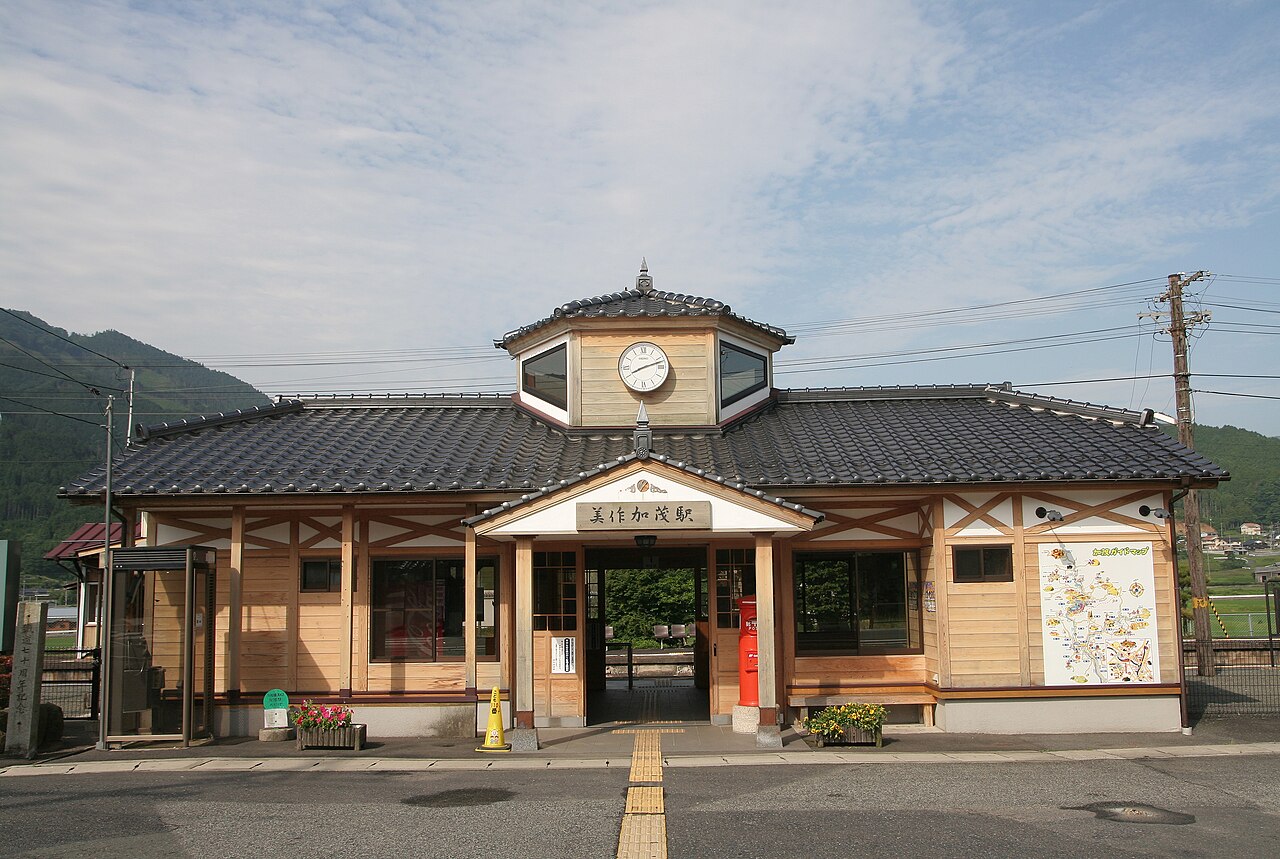
- About 45 minutes from JR Tsuyama Station on the JR Inbi Line to Mimasaka-Kamo Station, then about 35 minutes on foot. Services are few, so check the return train first.
- Nearest station
- Mimasaka-Kamo Station (JR Inbi Line)
- Hours
- This is a small shrine in the hills. Check how far you may go, whether anyone is at the office, and the state of the road and any snow, by the shrine’s own and on-site information.
- Fees
- An ordinary visit is free. It is not stated that amulets, goshuin or prayers particular to the inner shrine can be received here at all times.
- Parking
- Available in Japanese only: 公式はナビが津川ダムを示す場合があると注意。中原900-3、設定できなければ中原899を使います。
- Typical visit
- About 55 minutes (Unmeguri's estimate, not an official figure)
- Facts checked
- 2026-10-22
background
Enshrined deities
Ame-no-Minakanushi-no-Okami · Takamimusubi-no-Okami · Kamimusubi-no-Okami
The shrine gives the three creating deities and explains the Samuhara characters as a following concerned with turning aside misfortune, with keeping the body sound, with good health and with long life.
etiquette
Visiting with respect
- It is about 35 minutes on foot from the station along a mountain road with steps; stopping at the road entrance or near the Kotohira shrine is a complete visit.
- Do not assume anyone will be at the office; this is not a staffed shrine at all hours.
- Check the road and any snow before you set out, and secure the return train.
- Do not touch or climb on the hall, and follow the notices in the grounds.
- Take nothing from the hillside and carry out what you bring in.
- Hours, fees and reception can change; check the official information before you go.
faq
Common questions
How do I get to Samuhara Shrine Okunomiya?
About 45 minutes from JR Tsuyama Station on the JR Inbi Line to Mimasaka-Kamo Station, then about 35 minutes on foot. Services are few, so check the return train first. Nearest station: Mimasaka-Kamo Station (JR Inbi Line).
How much does it cost to visit Samuhara Shrine Okunomiya?
An ordinary visit is free. It is not stated that amulets, goshuin or prayers particular to the inner shrine can be received here at all times.
What are the opening hours of Samuhara Shrine Okunomiya?
This is a small shrine in the hills. Check how far you may go, whether anyone is at the office, and the state of the road and any snow, by the shrine’s own and on-site information.
Is there parking at Samuhara Shrine Okunomiya?
Parking information for Samuhara Shrine Okunomiya is available in Japanese only: 公式はナビが津川ダムを示す場合があると注意。中原900-3、設定できなければ中原899を使います。
How long should I spend at Samuhara Shrine Okunomiya?
Unmeguri's estimate for a visit is about 55 minutes. This is an editorial estimate, not an official figure.
What is Samuhara Shrine Okunomiya?
The original and inner shrine on Mount Hizume in Tsuyama, from which the Osaka shrine was branched in 1950.
Can I receive a goshuin here?
It is not stated that goshuin, amulets or prayers particular to the inner shrine can be received here at all times.
Which deities are enshrined?
The three creating deities: Ame-no-Minakanushi-no-Okami, Takamimusubi-no-Okami and Kamimusubi-no-Okami.
sources
Sources and checked dates
- 神社のこと|サムハラ神社(opens in a new tab)
- 奥之宮への行き方|サムハラ神社(opens in a new tab)
- サムハラ神社|岡山観光WEB(opens in a new tab)
Facts last checked on 2026-10-22. Sources are in Japanese. Unmeguri separates officially documented facts from its own editorial reading, and does not promise that any wish or outcome will be realized.