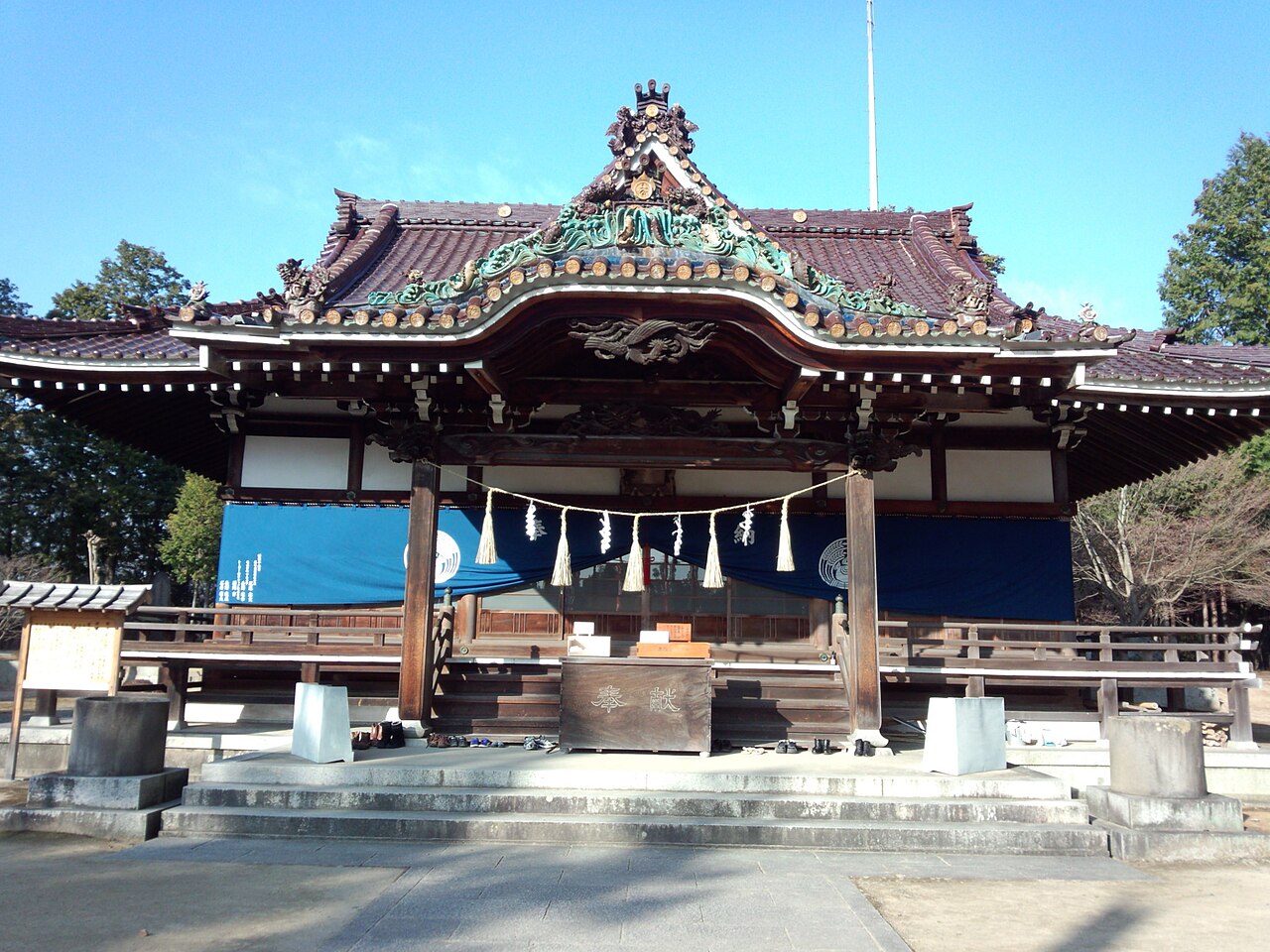
Ryusenji Temple
Otaki Ryusenji · Saijo Honzan Ryusenji · 龍泉寺
overview
What this place is
Ryusenji on the western slope of Mount Ryuo in Okayama is a Nichiren temple of the Saijo school where rock worship, mountain training and a following of dragon and Inari deities all meet. The principal image is Saijo-i Kyoo Daibosatsu, with Kishimojin and Sanmen Daikokuten in the same hall, while the Ryuo pond is revered as the body of the eight dragon kings. It uses the words and forms of a shrine, but it is a temple.
- The Ryuo pond, revered as the body of the eight dragon kings
- A great pagoda of 1942, raised over a great stone on the south of the pond
- Ridge tiles on the hall by the Akashi tilers Nishiyama Kamishichi and Juzo
- A wetland recognised by the city in 2013 for its plants and insects
plan your visit
Visit facts for Ryusenji Temple
- Access
- About 220 minutes from Tokyo Station by Shinkansen to Okayama and the JR Kibi Line to Bitchu-Takamatsu or Ashimori Station, then about 10 minutes by taxi. Do not plan on walking or a scheduled bus; arrange a car both ways.
- Nearest station
- Bitchu-Takamatsu or Ashimori Station (JR Kibi Line)
- Hours
- No opening and closing times for an ordinary visit are given in the temple’s text. Enquiries about prayers, the waterfall practice and the festivals are taken 9:00 to 17:00, which is not the same as the grounds being open. The 2026 Otaki festival is given by the prefecture as beginning at 10:30 on 26 July.
- Fees
- No admission fee for an ordinary visit is given in the temple’s text. Tablets are 5,000 yen, 10,000 yen or from 30,000 yen, a road-safety set 5,000 yen, sponsorship of a zodiac stone figure 10,000 yen, and a banner 27,500 yen or from 120,000 yen. The terms of the waterfall practice are not published, so ask before applying.
- Parking
- Available in Japanese only: 寺院公式と岡山県公式観光は駐車場があることを案内しますが、通常時の台数、料金、開放時刻、車いす区画は今回の公式本文から確定できません。寺院は2025年の紅葉期に、特定の土日祝だけ普通車500円とする臨時運用を告知しました。2026年も同じ日程・料金とは限らないため、紅葉期、お滝祭り、初午祭、八大龍王祭の料金、区画、満空、交通規制を当日確認します。満車時に山道・参道・近隣道路で待機、路上駐車、乗降、撮影をしません。
- Typical visit
- About 90 minutes (Unmeguri's estimate, not an official figure)
- Facts checked
- 2026-10-22
background
Principal image
Saijo-i Kyoo Daibosatsu
The temple gives Saijo-i Kyoo Daibosatsu as the principal image of the hall, with Kishimojin and Sanmen Daikokuten enshrined there as well, and the Ryuo pond revered as the body of the eight dragon kings. The principal image and the other objects of worship in the same grounds are not one list. Though a temple, it uses a hall of worship, a torii and the language of shrines; do not take it for a shrine, and follow the guidance given on the spot rather than guessing at the form of worship.
etiquette
Visiting with respect
- The site is a slope on the western flank of Mount Ryuo, with stone walls, steps down to the falls, a circuit of about 2 kilometres around the pond and wetland; no continuous step-free route is set out.
- The car park to the front of the hall, the hall itself, the pond alone, the circuit and the falls are separate destinations.
- Though it uses a torii and a hall of worship, this is a temple; follow the guidance on the spot rather than clapping as at a shrine.
- The wetland is recognised for its plants and insects; stay on the path and take nothing.
- Do not touch the halls, the pagoda or the stone figures.
- Hours, fees and reception can change; check the official information before you go.
faq
Common questions
How do I get to Ryusenji Temple?
About 220 minutes from Tokyo Station by Shinkansen to Okayama and the JR Kibi Line to Bitchu-Takamatsu or Ashimori Station, then about 10 minutes by taxi. Do not plan on walking or a scheduled bus; arrange a car both ways. Nearest station: Bitchu-Takamatsu or Ashimori Station (JR Kibi Line).
How much does it cost to visit Ryusenji Temple?
No admission fee for an ordinary visit is given in the temple’s text. Tablets are 5,000 yen, 10,000 yen or from 30,000 yen, a road-safety set 5,000 yen, sponsorship of a zodiac stone figure 10,000 yen, and a banner 27,500 yen or from 120,000 yen. The terms of the waterfall practice are not published, so ask before applying.
What are the opening hours of Ryusenji Temple?
No opening and closing times for an ordinary visit are given in the temple’s text. Enquiries about prayers, the waterfall practice and the festivals are taken 9:00 to 17:00, which is not the same as the grounds being open. The 2026 Otaki festival is given by the prefecture as beginning at 10:30 on 26 July.
Is there parking at Ryusenji Temple?
Parking information for Ryusenji Temple is available in Japanese only: 寺院公式と岡山県公式観光は駐車場があることを案内しますが、通常時の台数、料金、開放時刻、車いす区画は今回の公式本文から確定できません。寺院は2025年の紅葉期に、特定の土日祝だけ普通車500円とする臨時運用を告知しました。2026年も同じ日程・料金とは限らないため、紅葉期、お滝祭り、初午祭、八大龍王祭の料金、区画、満空、交通規制を当日確認します。満車時に山道・参道・近隣道路で待機、路上駐車、乗降、撮影をしません。
How long should I spend at Ryusenji Temple?
Unmeguri's estimate for a visit is about 90 minutes. This is an editorial estimate, not an official figure.
Is Ryusenji a shrine?
No. It is a Nichiren temple of the Saijo school, though it uses a hall of worship, a torii and the language of shrines.
Can I do the waterfall practice?
The terms, the charge and the time are not published, so ask the temple before applying. Watching without taking part is a complete visit.
sources
Sources and checked dates
- 縁起・奉祀する尊天・年中行事・最新情報|御滝龍泉寺(opens in a new tab)
- 拝殿・本殿・龍王池・御滝・湿地・身代地蔵|御滝龍泉寺(opens in a new tab)
- 願意・御札・交通安全・奉納・十二支守護石像|御滝龍泉寺(opens in a new tab)
- 滝行・寒行・事前連絡・行衣・健康上の注意|御滝龍泉寺(opens in a new tab)
- お滝祭り・放生祭・御神輿滝入祭・祈願旗|御滝龍泉寺(opens in a new tab)
- 龍王池伝説・鬼城縁起・1713年の改築|御滝龍泉寺(opens in a new tab)
- 約2kmの周回道・季節の植物・湿地保全|御滝龍泉寺(opens in a new tab)
- 所在地・駅・空港・高速道路からの交通|御滝龍泉寺(opens in a new tab)
- 公式地図の座標・所在地|御滝龍泉寺(opens in a new tab)
- 2026年行事・2025年紅葉期駐車場変更|御滝龍泉寺(opens in a new tab)
- 縁起・拝殿瓦・自然・滝行・年中行事|御滝龍泉寺公式冊子(opens in a new tab)
- 英文の縁起・奉祀・行事年代表記|御滝龍泉寺(opens in a new tab)
- 拝殿写真・所在地・交通・駐車・祭り|岡山県公式観光(opens in a new tab)
- 2026年7月26日のお滝祭り|岡山県公式観光(opens in a new tab)
- 池・御滝・周回・湿地の現地取材|岡山県公式観光(opens in a new tab)
- 身近な生きものの里・希少植物・湿地|岡山市(opens in a new tab)
- 龍泉寺の自然を守る会の活動|岡山市(opens in a new tab)
- 冷水による急速な体熱喪失と低体温症予防|米国CDC(opens in a new tab)
- 拝殿写真・撮影日時・作者・ライセンス|Wikimedia Commons(opens in a new tab)
Facts last checked on 2026-10-22. Sources are in Japanese. Unmeguri separates officially documented facts from its own editorial reading, and does not promise that any wish or outcome will be realized.