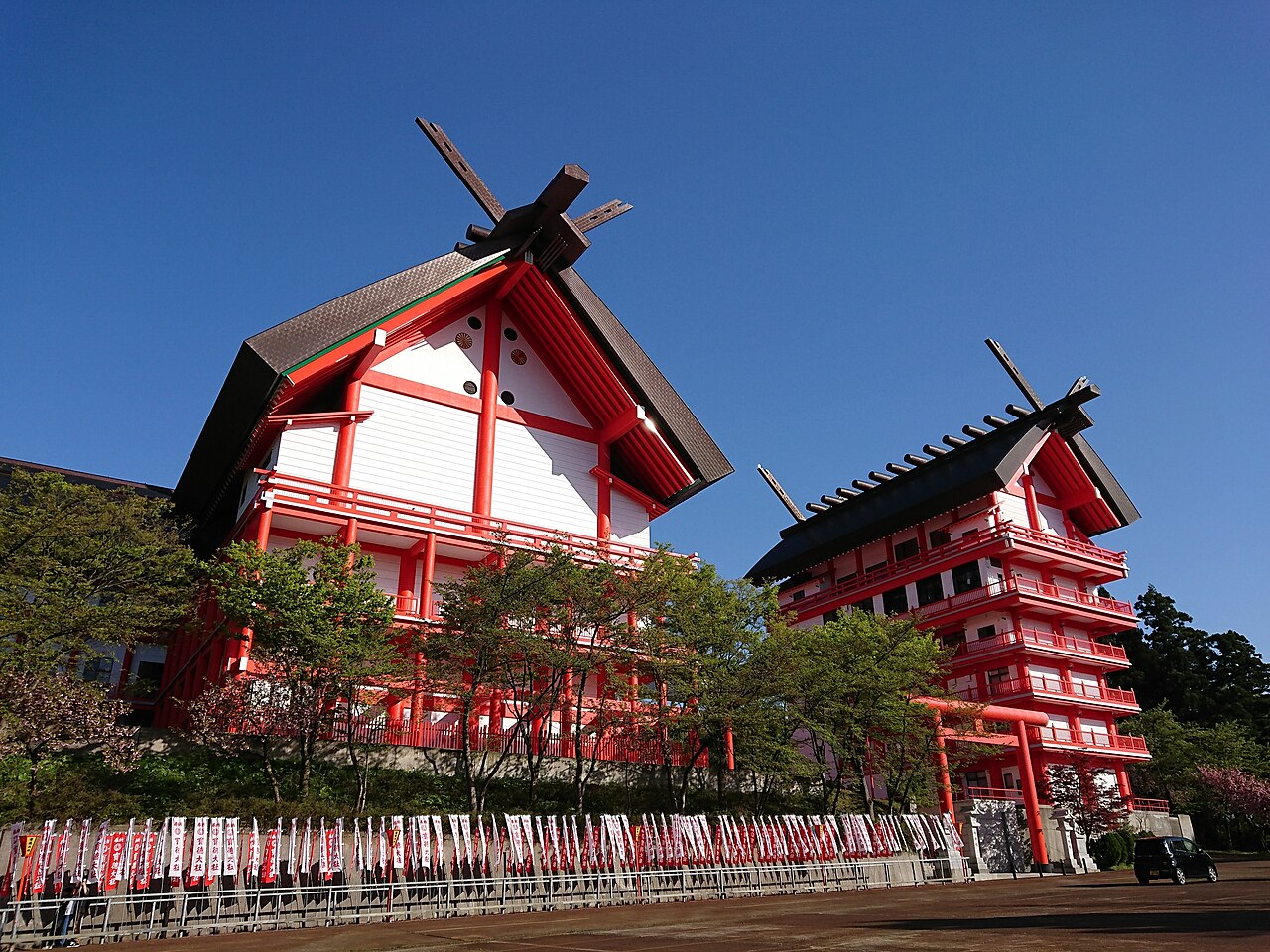
Hotokusan Inari Taisha Shrine
Hotokusan Inari · Hotoku Inari Grand Shrine · 宝徳山稲荷大社
overview
What this place is
Hotokusan Inari Taisha in Nagaoka enshrines three deities: Amaterasu Shiragiku Hotoku Inari Okami, Nihon Kobu Okami and Yagokoro Omoikane Okami. The shrine relates an origin as the Hinomiya and several moves since; its main hall, inner hall and the great hall of the inner shrine were built from the Showa period onward. Its own notices set out the arrangements after the move to the main hall in April 2026.
- Three deities enshrined together, with Inari at the centre
- The main hall, the inner hall and the great hall of the inner shrine
- An origin as the Hinomiya, with several moves related in the shrine’s own account
- Five-coloured candles offered here, unusual among Inari shrines
plan your visit
Visit facts for Hotokusan Inari Taisha Shrine
- Access
- About 20 minutes from JR Nagaoka Station on the Shinetsu Main Line to Echigo-Iwatsuka Station, then about 5 minutes on foot. Check how often the trains run.
- Nearest station
- Echigo-Iwatsuka Station (JR Shinetsu Main Line)
- Hours
- Reception is generally 9:00 to 15:00. After the move to the main hall in April 2026, check the shrine’s notices for which hall is used for ordinary visits, and for prayers and events.
- Fees
- Visiting the grounds is free. Prayers, amulets, the five-coloured candles and offerings are separate.
- Parking
- Available in Japanese only: 公式駐車場の進入・退出注意を事前に確認し、近隣道路へ駐車しません。
- Goshuin (seal stamps)
- Goshuin are received at the desk, generally 9:00 to 15:00. Confirm the hall and the desk in use on the day.
- Typical visit
- About 70 minutes (Unmeguri's estimate, not an official figure)
- Facts checked
- 2026-10-22
background
Enshrined deities
Amaterasu Shiragiku Hotoku Inari Okami · Nihon Kobu Okami · Yagokoro Omoikane Okami
The shrine enshrines three deities and sets out requests brought here for the harvest, for trade and for the safety of a household, for warding off misfortune and for progress in study.
etiquette
Visiting with respect
- The grounds are wide and the halls are some distance apart; visiting one of them is a complete visit.
- Check which hall is in use for ordinary visits after the move of April 2026 rather than assuming the one you have read about.
- The five-coloured candles are the shrine’s own practice; how many you light is not a measure of anything.
- Do not touch or climb on the halls, and follow the notices on photography.
- The origin and the moves are the shrine’s own account, not settled history.
- Hours, fees and reception can change; check the official information before you go.
faq
Common questions
How do I get to Hotokusan Inari Taisha Shrine?
About 20 minutes from JR Nagaoka Station on the Shinetsu Main Line to Echigo-Iwatsuka Station, then about 5 minutes on foot. Check how often the trains run. Nearest station: Echigo-Iwatsuka Station (JR Shinetsu Main Line).
How much does it cost to visit Hotokusan Inari Taisha Shrine?
Visiting the grounds is free. Prayers, amulets, the five-coloured candles and offerings are separate.
What are the opening hours of Hotokusan Inari Taisha Shrine?
Reception is generally 9:00 to 15:00. After the move to the main hall in April 2026, check the shrine’s notices for which hall is used for ordinary visits, and for prayers and events.
Is there parking at Hotokusan Inari Taisha Shrine?
Parking information for Hotokusan Inari Taisha Shrine is available in Japanese only: 公式駐車場の進入・退出注意を事前に確認し、近隣道路へ駐車しません。
How long should I spend at Hotokusan Inari Taisha Shrine?
Unmeguri's estimate for a visit is about 70 minutes. This is an editorial estimate, not an official figure.
Can I get a goshuin at Hotokusan Inari Taisha Shrine?
Goshuin are received at the desk, generally 9:00 to 15:00. Confirm the hall and the desk in use on the day.
Which deities are enshrined?
Amaterasu Shiragiku Hotoku Inari Okami, Nihon Kobu Okami and Yagokoro Omoikane Okami.
Do I need to visit every hall?
No. The grounds are wide and the halls are apart from one another; visiting one of them is a complete visit.
sources
Sources and checked dates
Facts last checked on 2026-10-22. Sources are in Japanese. Unmeguri separates officially documented facts from its own editorial reading, and does not promise that any wish or outcome will be realized.