Kasuga Taisha Shrine
春日大社 · Kasuga Grand Shrine · Kasuga Shrine
overview
What this place is
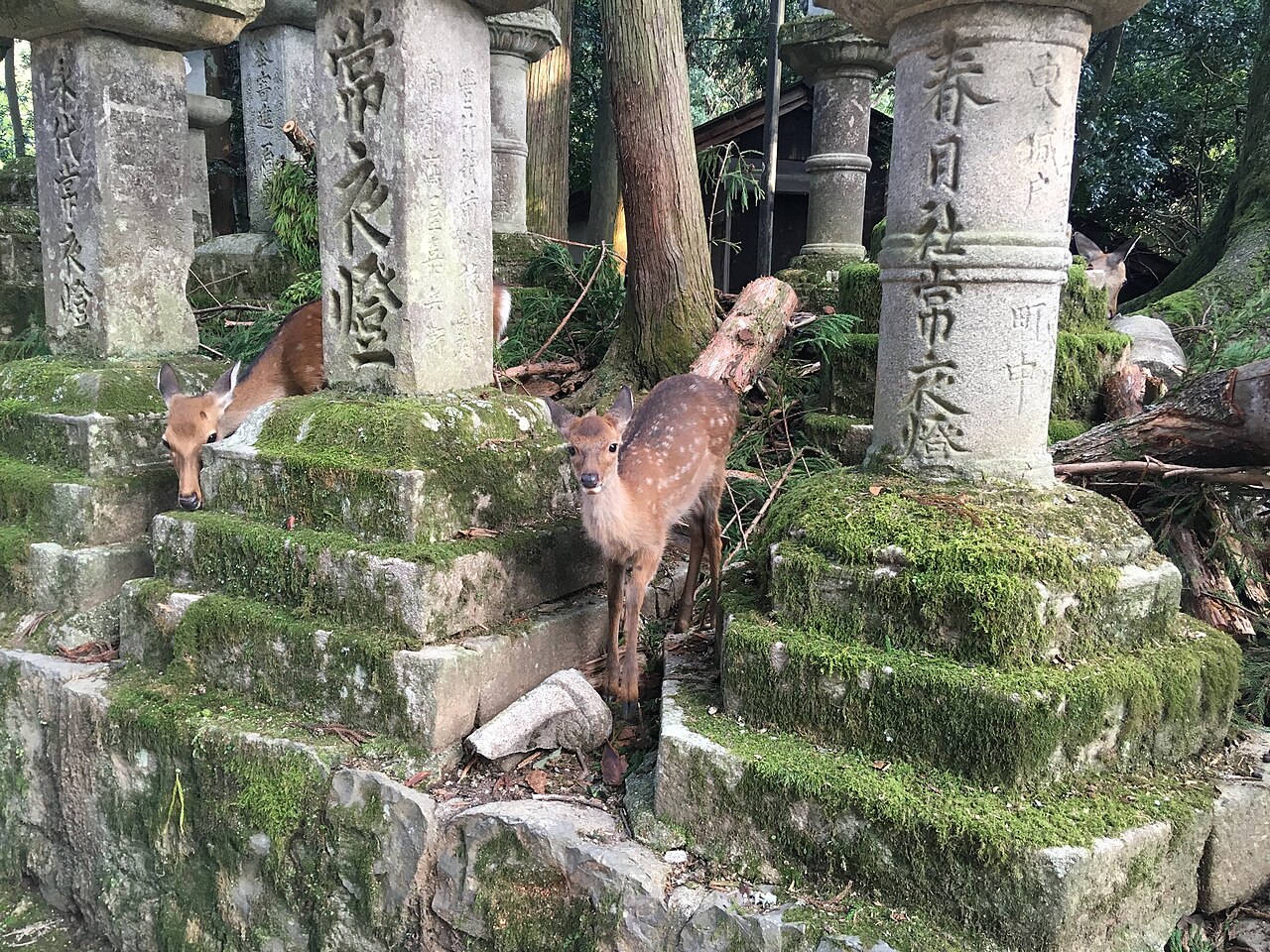
Kasuga Taisha is a Shinto shrine at the foot of Mount Mikasa in Nara City, founded in 768 by imperial order as the head shrine of the Kasuga shrines across Japan. Its four main sanctuary buildings are National Treasures, and about three thousand stone and bronze lanterns donated since the Heian period line its approaches and corridors. The deer of the surrounding parkland are regarded as messengers of the deities, from the tradition that the deity Takemikazuchi arrived riding a white deer.
- Four main sanctuary buildings designated National Treasures, renewed by the shikinen-zotai rebuilding held every twenty years — sixty times so far
- About three thousand stone and bronze lanterns donated since the Heian period
- Deer regarded as divine messengers, from the tradition of Takemikazuchi arriving on a white deer
- The primeval forest of Mount Kasuga behind the shrine, protected since a Heian-period ban on hunting and logging
plan your visit
Visit facts for Kasuga Taisha Shrine
- Access
- From JR or Kintetsu Nara Station, buses bound for Kasuga Taisha Honden take about 11 to 15 minutes to the terminus right by the shrine, according to the official guide. The city loop bus stops at Kasuga Taisha Omotesando, about a 10-minute walk away, and walking from Kintetsu Nara Station takes about 25 minutes.
- Nearest station
- Kasuga Taisha Honden bus stop (from JR / Kintetsu Nara Station)
- Hours
- The main sanctuary worship area is open 6:30 to 17:30 from March to October and 7:00 to 17:00 from November to February. Special worship inside the main sanctuary area runs 9:00 to 16:00 but is suspended on set periods such as around March 8 to 13, December 20 to January 7, and Coming of Age Day, as well as during certain rites, so check the official calendar.
- Fees
- Praying at the main sanctuary worship area is free. Special worship inside the main sanctuary area is 700 yen. Prayer services are listed from 5,000 yen for shichi-go-san and from 6,000 yen for a small prayer, and the Wakamiya fifteen-shrine circuit (1,500 yen) and the Five Dragon deities circuit (1,200 yen) have separate receptions.
- Parking
- Available in Japanese only: 公式駐車場はバス・乗用車合わせて100台、3〜10月7:30〜17:00、11〜2月7:30〜16:30。料金は乗用車1,500円、バイク500円、バス4,000円です。行事で予告なく閉鎖される場合があるため、公共交通を標準にし、満車待ちを車道・参道・鹿の通り道で行いません。
- Goshuin (seal stamps)
- Goshuin are offered year-round from 9:00 until the gates close, according to the official guide; pray at the main sanctuary first and follow the reception at the south corridor.
- Typical visit
- About 90 minutes (Unmeguri's estimate, not an official figure)
- Facts checked
- 2026-10-22
background
Enshrined deities
Takemikazuchi-no-Mikoto · Futsunushi-no-Mikoto · Amenokoyane-no-Mikoto · Himegami
The shrine explains that its main sanctuary enshrines Takemikazuchi-no-Mikoto in the first hall, Futsunushi-no-Mikoto in the second, Amenokoyane-no-Mikoto in the third, and Himegami in the fourth, and cautions visitors not to mistake the inner gate for the main sanctuary itself.
etiquette
Visiting with respect
- The deer are honored as divine messengers but remain wild animals: do not touch, surround, chase, or block them, and do not approach fawns or grab antlers.
- Do not give the deer any food other than the shika senbei crackers sold for them, and keep paper, plastic, and food packaging out of their reach; carry your rubbish out with you.
- Do not mistake the inner gate for the main sanctuary, and follow the posted routes and photography restrictions inside the corridors.
- The common way to pray at a shrine is two bows, two claps, and one final bow.
- Hours, fees and reception can change; check the official information before you go.
faq
Common questions
How do I get to Kasuga Taisha Shrine?
From JR or Kintetsu Nara Station, buses bound for Kasuga Taisha Honden take about 11 to 15 minutes to the terminus right by the shrine, according to the official guide. The city loop bus stops at Kasuga Taisha Omotesando, about a 10-minute walk away, and walking from Kintetsu Nara Station takes about 25 minutes. Nearest station: Kasuga Taisha Honden bus stop (from JR / Kintetsu Nara Station).
How much does it cost to visit Kasuga Taisha Shrine?
Praying at the main sanctuary worship area is free. Special worship inside the main sanctuary area is 700 yen. Prayer services are listed from 5,000 yen for shichi-go-san and from 6,000 yen for a small prayer, and the Wakamiya fifteen-shrine circuit (1,500 yen) and the Five Dragon deities circuit (1,200 yen) have separate receptions.
What are the opening hours of Kasuga Taisha Shrine?
The main sanctuary worship area is open 6:30 to 17:30 from March to October and 7:00 to 17:00 from November to February. Special worship inside the main sanctuary area runs 9:00 to 16:00 but is suspended on set periods such as around March 8 to 13, December 20 to January 7, and Coming of Age Day, as well as during certain rites, so check the official calendar.
Is there parking at Kasuga Taisha Shrine?
Parking information for Kasuga Taisha Shrine is available in Japanese only: 公式駐車場はバス・乗用車合わせて100台、3〜10月7:30〜17:00、11〜2月7:30〜16:30。料金は乗用車1,500円、バイク500円、バス4,000円です。行事で予告なく閉鎖される場合があるため、公共交通を標準にし、満車待ちを車道・参道・鹿の通り道で行いません。
How long should I spend at Kasuga Taisha Shrine?
Unmeguri's estimate for a visit is about 90 minutes. This is an editorial estimate, not an official figure.
Can I get a goshuin at Kasuga Taisha Shrine?
Goshuin are offered year-round from 9:00 until the gates close, according to the official guide; pray at the main sanctuary first and follow the reception at the south corridor.
Can I touch or feed the deer around the shrine?
No. The deer are wild animals honored as divine messengers, so do not touch, chase, or surround them, and give them nothing except the shika senbei crackers sold for that purpose.
sources
Sources and checked dates
- ご由緒・春日大社について|春日大社(opens in a new tab)
- 基本情報・開門・拝観・アクセス|春日大社(opens in a new tab)
- 御本社・大宮回廊内|春日大社(opens in a new tab)
- ご祈祷|春日大社(opens in a new tab)
- 御札・御守|春日大社(opens in a new tab)
- 若宮十五社めぐり|春日大社(opens in a new tab)
- 春日五大龍神めぐり|春日大社(opens in a new tab)
- 春日大社境内における撮影について|春日大社(opens in a new tab)
- 奈良公園の観光情報発信に関するお願い・シカとの安全|奈良県(opens in a new tab)
- 春日大社|奈良市観光協会公式サイト(opens in a new tab)
Facts last checked on 2026-10-22. Sources are in Japanese. Unmeguri separates officially documented facts from its own editorial reading, and does not promise that any wish or outcome will be realized.