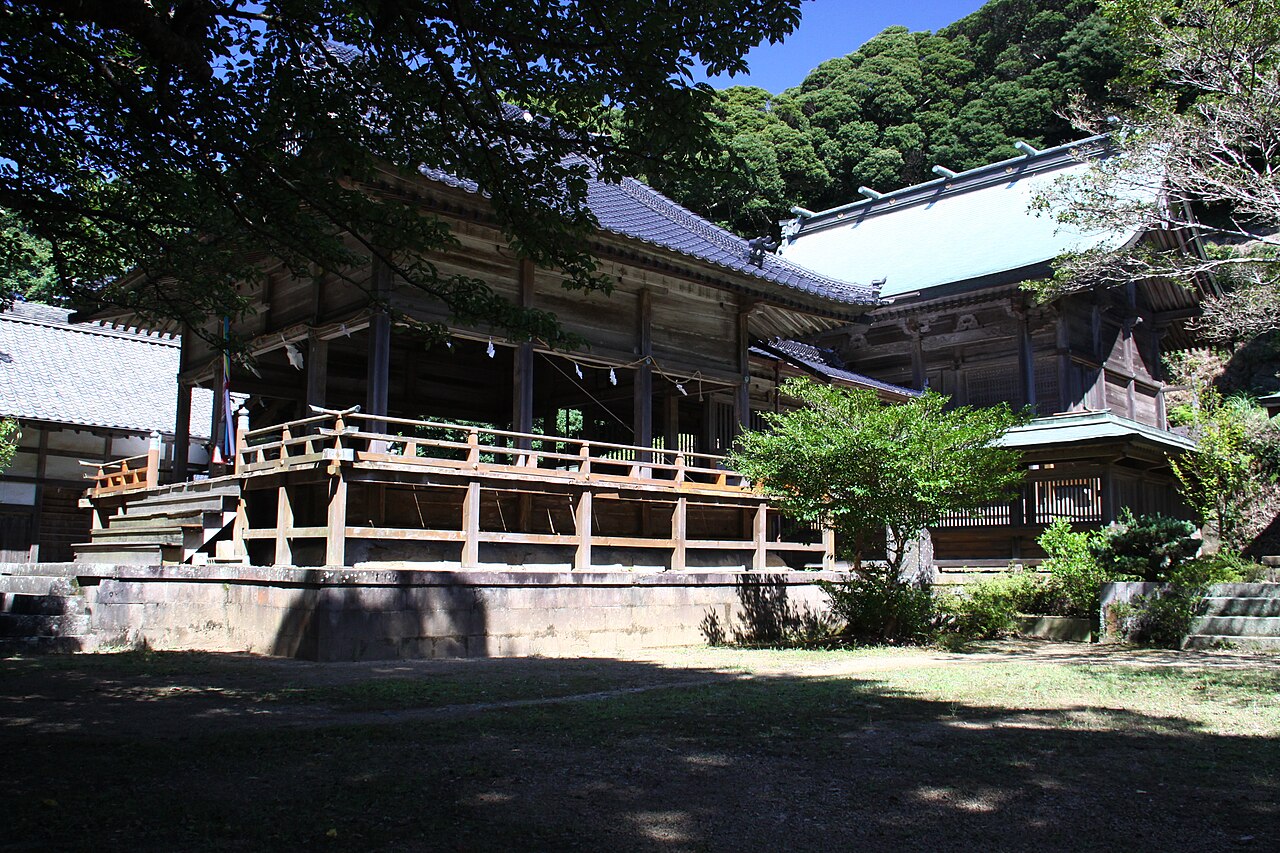
Kaijin Shrine
Kaijin Jinja · Tsushima Ichinomiya · 海神神社
overview
What this place is
Kaijin Shrine on Tsushima is described by public tourism information as having been called Hachiman Hongu, Tsushima Hongu and the first shrine of the province. It was renamed Kaijin Shrine in 1871 and placed among the shrines of national rank. Mount Kisaka around it is old forest, and the Kisaka bird forest path passes before the main hall.
- Called the first shrine of the province in earlier times
- Renamed Kaijin Shrine in 1871
- Old forest on Mount Kisaka around it
- A bird forest path passing before the main hall
plan your visit
Visit facts for Kaijin Shrine
- Access
- About an hour by car from Tsushima airport, or about an hour and twenty minutes from Izuhara port, as the prefecture’s tourism site gives it. Secure island transport and your way back first.
- Nearest station
- Kaijin Shrine (by car)
- Hours
- Worship as usual along the approach that public information opens. Rites, fallen trees and any closure of the road or the path follow the signs on the spot.
- Fees
- Ordinary worship is by offering. Current primary sources do not settle reception for prayers, amulets or costs, so nothing of the kind is assumed here.
- Parking
- Available in Japanese only: 公的観光は駐車場ありと案内しています。林道・参道を塞がず、現地の指定位置へ停めます。
- Typical visit
- About 45 minutes (Unmeguri's estimate, not an official figure)
- Facts checked
- 2026-10-22
background
Enshrined deity
The deity of Kaijin Shrine, called the first shrine of the province
Its standing as the first shrine of the province belongs to the history of belief and of institutions; the names of the enshrined deities cannot be confirmed safely from current primary sources and are not guessed, and neither the forest nor the halls is stated to give anything to the body.
etiquette
Visiting with respect
- The approach through the forest has level changes and stone steps.
- Worship at the hall completes the visit; walking the whole bird forest path is not asked of anyone.
- Do not guess at the names of the deities; the sources do not settle them.
- Do not take anything from the old forest.
- Follow the signs on the spot after storms or fallen trees.
- Hours, fees and reception can change; check the official information before you go.
faq
Common questions
How do I get to Kaijin Shrine?
About an hour by car from Tsushima airport, or about an hour and twenty minutes from Izuhara port, as the prefecture’s tourism site gives it. Secure island transport and your way back first. Nearest station: Kaijin Shrine (by car).
How much does it cost to visit Kaijin Shrine?
Ordinary worship is by offering. Current primary sources do not settle reception for prayers, amulets or costs, so nothing of the kind is assumed here.
What are the opening hours of Kaijin Shrine?
Worship as usual along the approach that public information opens. Rites, fallen trees and any closure of the road or the path follow the signs on the spot.
Is there parking at Kaijin Shrine?
Parking information for Kaijin Shrine is available in Japanese only: 公的観光は駐車場ありと案内しています。林道・参道を塞がず、現地の指定位置へ停めます。
How long should I spend at Kaijin Shrine?
Unmeguri's estimate for a visit is about 45 minutes. This is an editorial estimate, not an official figure.
What was this shrine called?
Public information gives Hachiman Hongu, Tsushima Hongu and the first shrine of the province.
When was it renamed?
In 1871, when it became Kaijin Shrine and was placed among the shrines of national rank.
Which deities are enshrined?
Current primary sources do not settle the names, so they are not given here.
sources
Sources and checked dates
Facts last checked on 2026-10-22. Sources are in Japanese. Unmeguri separates officially documented facts from its own editorial reading, and does not promise that any wish or outcome will be realized.