Togakushi Shrine Okusha
Okusha · Togakushi Jinja Okusha · 戸隠神社 奥社
overview
What this place is
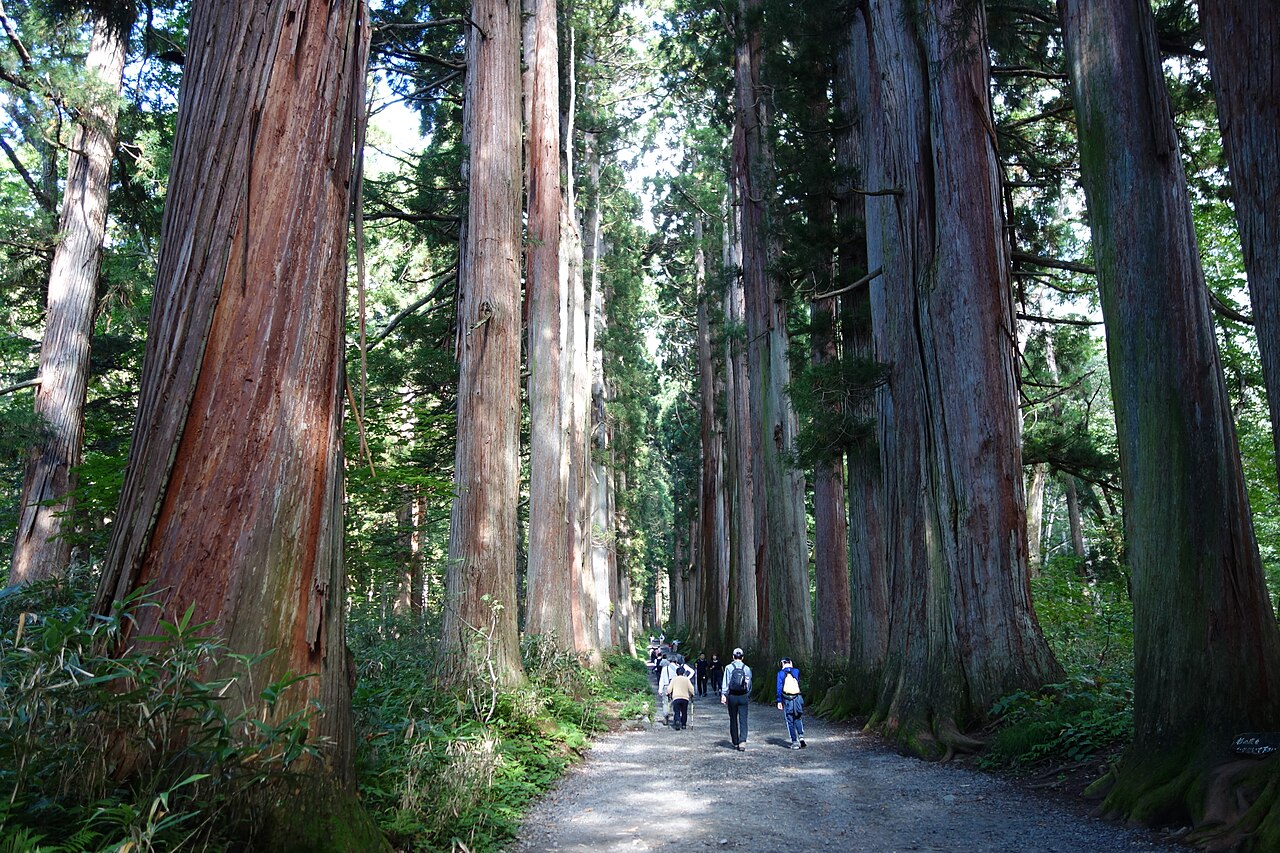
Okusha is the head of the five Togakushi shrines, enshrining Ame-no-Tajikarao-no-Mikoto, the deity said to have pushed open the heavenly rock cave. From the entrance it is about two kilometres on foot with no vehicles allowed; halfway stands the Zuishinmon gate, and beyond it some 500 metres of giant cedars more than 400 years old, over two hundred of them. The forest was designated a natural monument of Nagano Prefecture in 1973.
- An approach of about two kilometres on foot, closed to vehicles
- The Zuishinmon gate, standing about halfway along
- Some 500 metres of cedars over 400 years old, more than two hundred trees
- A forest of about 154,000 tsubo, protected since a shogunal charter of 1643
plan your visit
Visit facts for Togakushi Shrine Okusha
- Access
- About 150 minutes from Tokyo Station: roughly 90 minutes by the Hokuriku Shinkansen to Nagano Station, then about 59 minutes on the reserved Togakushi sightseeing express from stand 7 to the Togakushi Jinja Okusha Iriguchi stop, on the 2026 spring-to-autumn timetable. The walk of about 40 minutes to the hall is on top of that.
- Nearest station
- Togakushi Jinja Okusha Iriguchi bus stop
- Hours
- In 2026 the approach opened on 21 April and the Okusha desk reopened from 9:00 to 17:00. The shrine closes for the snow season: from 7 January to 20 April 2026 no one could pass beyond the Zuishinmon gate. Always check the notice for the next winter closure and the state of the path on the day.
- Fees
- The approach and the grounds are free. A prayer for an individual is from 10,000 yen. Amulets, tablets, goshuin, transport and parking are separate.
- Parking
- Available in Japanese only: 奥社入口付近に有料駐車場があり、公式五社めぐり案内は3時間600円・約120台と、1回600円・約30台の区画を掲載。繁忙期の満車、料金改定、冬季運用を出発前に確認。
- Goshuin (seal stamps)
- Goshuin are given at the Okusha desk while the approach is open, listed as 9:00 to 17:00. The desk closes for the snow season.
- Typical visit
- About 120 minutes (Unmeguri's estimate, not an official figure)
- Facts checked
- 2026-10-22
background
Enshrined deity
Ame-no-Tajikarao-no-Mikoto
Okusha enshrines Ame-no-Tajikarao-no-Mikoto, the deity said to have pushed open the heavenly rock cave when Amaterasu showed herself and to have led her out. The shrine relates a faith concerned with fortune, with a wish carried through, with the harvest and with success in sport. Treat it as choosing today’s turning point and your next step rather than as an outcome assured.
etiquette
Visiting with respect
- It is about two kilometres each way on foot and vehicles cannot enter; the way is gentle as far as the Zuishinmon, then steepens and ends in natural stone steps.
- No step-free route is described. If walking is difficult, choose in advance to go as far as the Zuishinmon, as far as the cedars, or to pay respects from a distance.
- Kuzuryusha stands next to Okusha but is a different shrine with a different deity; visiting one does not enter the other in your record.
- The cedars and the forest are a designated natural monument; stay on the path and do not touch, cut or take anything.
- Check the winter closure and the day’s conditions before setting out, and secure your return bus first.
- Hours, fees and reception can change; check the official information before you go.
faq
Common questions
How do I get to Togakushi Shrine Okusha?
About 150 minutes from Tokyo Station: roughly 90 minutes by the Hokuriku Shinkansen to Nagano Station, then about 59 minutes on the reserved Togakushi sightseeing express from stand 7 to the Togakushi Jinja Okusha Iriguchi stop, on the 2026 spring-to-autumn timetable. The walk of about 40 minutes to the hall is on top of that. Nearest station: Togakushi Jinja Okusha Iriguchi bus stop.
How much does it cost to visit Togakushi Shrine Okusha?
The approach and the grounds are free. A prayer for an individual is from 10,000 yen. Amulets, tablets, goshuin, transport and parking are separate.
What are the opening hours of Togakushi Shrine Okusha?
In 2026 the approach opened on 21 April and the Okusha desk reopened from 9:00 to 17:00. The shrine closes for the snow season: from 7 January to 20 April 2026 no one could pass beyond the Zuishinmon gate. Always check the notice for the next winter closure and the state of the path on the day.
Is there parking at Togakushi Shrine Okusha?
Parking information for Togakushi Shrine Okusha is available in Japanese only: 奥社入口付近に有料駐車場があり、公式五社めぐり案内は3時間600円・約120台と、1回600円・約30台の区画を掲載。繁忙期の満車、料金改定、冬季運用を出発前に確認。
How long should I spend at Togakushi Shrine Okusha?
Unmeguri's estimate for a visit is about 120 minutes. This is an editorial estimate, not an official figure.
Can I get a goshuin at Togakushi Shrine Okusha?
Goshuin are given at the Okusha desk while the approach is open, listed as 9:00 to 17:00. The desk closes for the snow season.
How long is the walk to Okusha?
About two kilometres each way, roughly 40 minutes on foot from the entrance. Vehicles cannot use the approach.
Is Okusha open in winter?
No. It closes for the snow season. In 2026 the approach opened on 21 April, and from 7 January no one could pass beyond the Zuishinmon gate.
What are the cedars along the approach?
Beyond the Zuishinmon some 500 metres are lined with more than two hundred cedars over 400 years old, part of a forest designated in 1973.
Is Kuzuryusha the same visit?
No. It stands beside Okusha but is a separate shrine with its own deity, so treat the two as separate visits.
sources
Sources and checked dates
- 戸隠神社の歴史・奥社|戸隠神社(opens in a new tab)
- アクセス・奥社参道|戸隠神社(opens in a new tab)
- 五社めぐり|戸隠神社(opens in a new tab)
- 戸隠神社奥社社叢|戸隠神社(opens in a new tab)
- 寺から神社へ、明治の戸隠|戸隠神社(opens in a new tab)
- 2026年 戸隠神社奥社の開通について|戸隠神社(opens in a new tab)
- 2026年 戸隠神社奥社閉山について|戸隠神社(opens in a new tab)
- 祈祷について|戸隠神社(opens in a new tab)
- 祈祷のお申し込み方法|戸隠神社(opens in a new tab)
- 授与品のご案内|戸隠神社(opens in a new tab)
- 御朱印|戸隠神社(opens in a new tab)
- 観光特急戸隠線 2026年春〜秋ダイヤ|アルピコ交通(opens in a new tab)
- 戸隠神社奥社参道の冬季通行について|戸隠観光協会(opens in a new tab)
Facts last checked on 2026-10-22. Sources are in Japanese. Unmeguri separates officially documented facts from its own editorial reading, and does not promise that any wish or outcome will be realized.