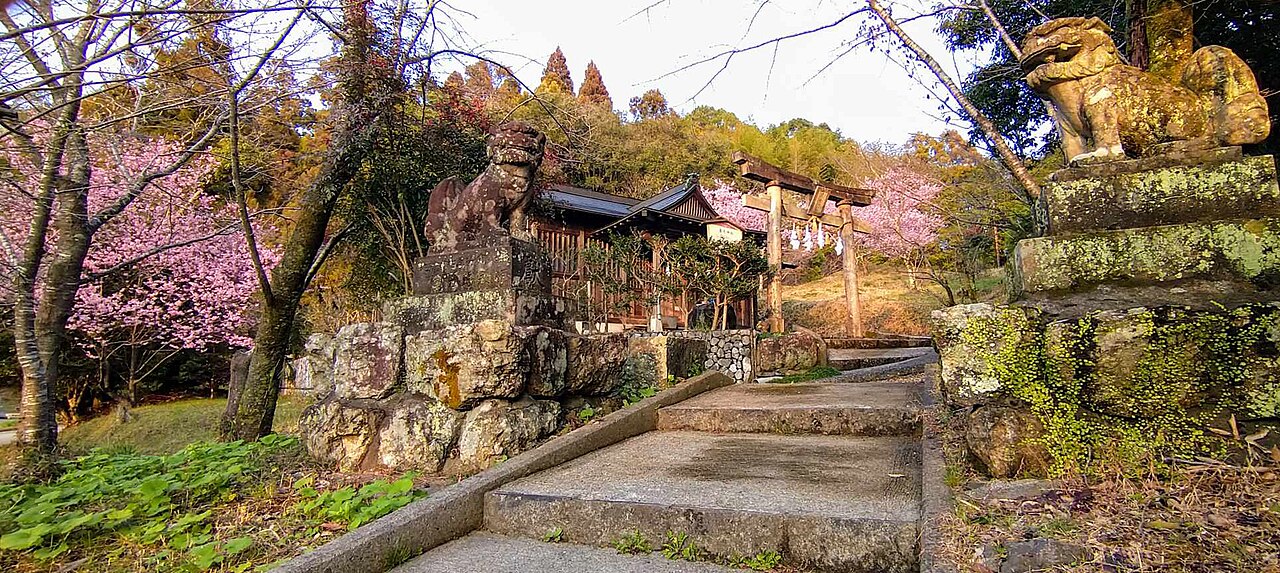
Tosa Shrine
Tosa Jinja · Shinane-sama · 土佐神社
overview
What this place is
Tosa Shrine, the first shrine of Tosa province, gives its deities as Ajisukitakahikone-no-Kami and Hitokotonushi-no-Kami, noting that how the deities are named changes across the sources. Its founding date is not clear; the shrine holds that rites began at the stone in the north-east of the grounds, taken as the seat of the deity. Chosokabe Motochika rebuilt the halls in 1570.
- Two deities, kept as the shrine itself names them
- The stone in the grounds, taken as the seat of the deity
- Halls rebuilt by Chosokabe Motochika in 1570
- A tower gate, a drum tower and a torii added by the Yamauchi house
plan your visit
Visit facts for Tosa Shrine
- Access
- On foot from JR Tosa-Ichinomiya Station. Rites and the repair of the tower gate can change the route through the grounds, so follow the shrine’s notices and the signs on the spot.
- Nearest station
- JR Tosa-Ichinomiya Station
- Hours
- Worship in the grounds and reception for prayers are separate. Prayers are given as 9:00 to 16:00 with contact in advance. Check on the day what is open during rites and repair work.
- Fees
- Ordinary worship in the grounds is by offering. A prayer is from 5,000 yen, with contact in advance for each purpose.
- Parking
- Available in Japanese only: 駐車条件は公式アクセス案内と現地表示を確認し、祭事時は公共交通を優先します。
- Typical visit
- About 50 minutes (Unmeguri's estimate, not an official figure)
- Facts checked
- 2026-10-22
background
Enshrined deities
Ajisukitakahikone-no-Kami · Hitokotonushi-no-Kami
The shrine describes Ajisukitakahikone-no-Kami as a deity of opening the land and of trade and craft, and Hitokotonushi-no-Kami as a deity of accord, and lists a following around household safety, industry and safe travel; this is the shrine’s own account and does not assure an outcome.
etiquette
Visiting with respect
- Do not cross the hoardings around the repair work; follow the diversions on the spot.
- Keep both deities as the shrine names them rather than reducing them to one.
- Read the change in how the deities are named across the sources as the shrine itself sets it out.
- Contact the shrine in advance if you want a prayer rather than turning up for one.
- The walk from the station and the walk within the grounds both take time; allow for them.
- Hours, fees and reception can change; check the official information before you go.
faq
Common questions
How do I get to Tosa Shrine?
On foot from JR Tosa-Ichinomiya Station. Rites and the repair of the tower gate can change the route through the grounds, so follow the shrine’s notices and the signs on the spot. Nearest station: JR Tosa-Ichinomiya Station.
How much does it cost to visit Tosa Shrine?
Ordinary worship in the grounds is by offering. A prayer is from 5,000 yen, with contact in advance for each purpose.
What are the opening hours of Tosa Shrine?
Worship in the grounds and reception for prayers are separate. Prayers are given as 9:00 to 16:00 with contact in advance. Check on the day what is open during rites and repair work.
Is there parking at Tosa Shrine?
Parking information for Tosa Shrine is available in Japanese only: 駐車条件は公式アクセス案内と現地表示を確認し、祭事時は公共交通を優先します。
How long should I spend at Tosa Shrine?
Unmeguri's estimate for a visit is about 50 minutes. This is an editorial estimate, not an official figure.
Which deities are enshrined?
Ajisukitakahikone-no-Kami and Hitokotonushi-no-Kami, kept as the shrine itself names them.
When was it founded?
The date is not clear. The shrine holds that rites began at the stone in the north-east of the grounds.
What does a prayer cost?
From 5,000 yen, received from 9:00 to 16:00 with contact in advance.
Who rebuilt the halls?
Chosokabe Motochika in 1570; the Yamauchi house later added the torii, tower gate and drum tower.
sources
Sources and checked dates
- 御祭神・御由緒・御神徳|土佐神社(opens in a new tab)
- 土佐一宮 土佐神社(opens in a new tab)
- 御祈願の願意・受付・初穂料|土佐神社(opens in a new tab)
- 礫石・御手洗池などの由緒地|土佐神社(opens in a new tab)
- 楼門保存修理工事|土佐神社(opens in a new tab)
- 交通アクセス|土佐神社(opens in a new tab)
Facts last checked on 2026-10-22. Sources are in Japanese. Unmeguri separates officially documented facts from its own editorial reading, and does not promise that any wish or outcome will be realized.