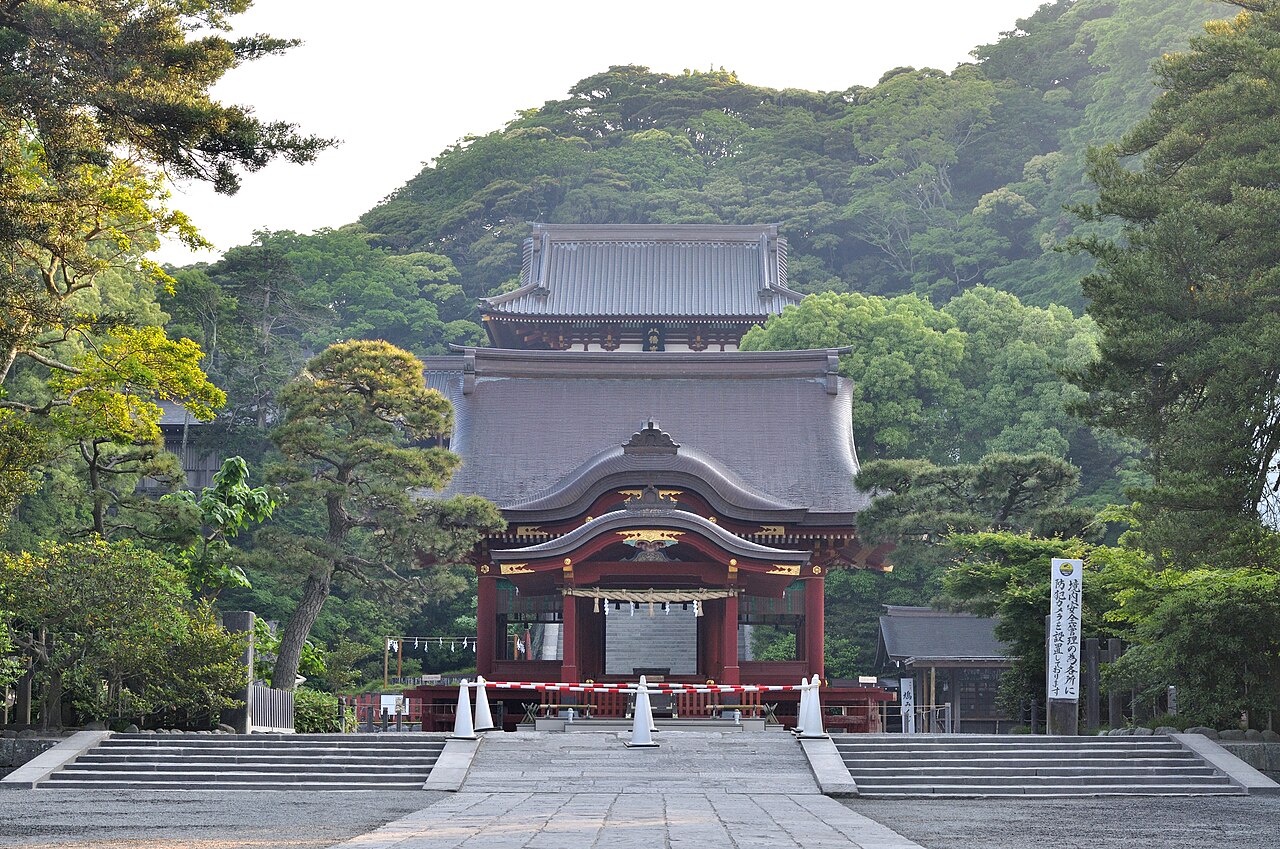
Tsurugaoka Hachimangu Shrine
Tsurugaoka Hachimangū · Hachimangu · 鶴岡八幡宮
overview
What this place is
Tsurugaoka Hachimangu is a Shinto shrine at the heart of Kamakura, Kanagawa, enshrining three deities worshipped together as Hachiman Okami. Its history began when Minamoto no Yoriyoshi brought the deity of Iwashimizu Hachimangu to the Yui district, and Minamoto no Yoritomo later moved the shrine to its present site and made it the ritual center of the Kamakura shogunate. The approach runs along the Wakamiya Oji avenue from Kamakura Station, past the Genpei Ponds and the Maiden stage to the great stone stairway and main hall.
- The Wakamiya Oji approach running from near Kamakura Station to the shrine
- The Genpei Ponds and the Maiden stage on the lower grounds
- The great stone stairway rising to the main hall (Hongu)
- Samurai-era traditions such as the yabusame horseback archery rite, carried on among the shrine festivals
plan your visit
Visit facts for Tsurugaoka Hachimangu Shrine
- Access
- About 10 minutes on foot from Kamakura Station, approaching along Wakamiya Oji or the Komachi-dori side. In busy seasons, check crowd conditions at the station, sidewalks, and buses.
- Nearest station
- Kamakura Station (JR / Enoshima Electric Railway)
- Hours
- Gate opening, prayer services, the amulet office, the treasure hall, and festival times change with the season and events, so check the official information before you visit.
- Fees
- The shrine grounds are free to enter. The treasure hall, prayer services, and amulets are charged separately.
- Parking
- Available in Japanese only: 参拝者駐車場の利用条件を確認。観光混雑時は公共交通を使い、住宅地へ入りません。
- Goshuin (seal stamps)
- Goshuin (shrine seal stamps) are offered as a record of your visit; reception hours, pre-written slips, and changes on festival days vary, so follow the on-site guidance.
- Typical visit
- About 70 minutes (Unmeguri's estimate, not an official figure)
- Facts checked
- 2026-10-22
background
Enshrined deities
Emperor Ojin · Himegami · Empress Jingu
The three deities are enshrined together as Hachiman Okami, revered by samurai families and associated with protection of the nation, the fortunes of the household, and success in decisive moments. Minamoto no Yoritomo moved the shrine to its present site and made it the ritual center of the Kamakura shogunate.
etiquette
Visiting with respect
- Bow lightly once before passing through a torii gate, and keep to the sides of the approach.
- Rinse your hands at the temizuya water basin before approaching the halls.
- The common way to pray at a shrine is two bows, two claps, and one final bow.
- When crowded, do not stop for long photo sessions on the approach, the great stone stairway, or in front of the Maiden; if the stairway is difficult, worship at the lower hall completes the visit.
- Do not cut through private land or residential areas, and treat yabusame and other festivals as sacred rites, giving way to participants and priests.
- Hours, fees and reception can change; check the official information before you go.
faq
Common questions
How do I get to Tsurugaoka Hachimangu Shrine?
About 10 minutes on foot from Kamakura Station, approaching along Wakamiya Oji or the Komachi-dori side. In busy seasons, check crowd conditions at the station, sidewalks, and buses. Nearest station: Kamakura Station (JR / Enoshima Electric Railway).
How much does it cost to visit Tsurugaoka Hachimangu Shrine?
The shrine grounds are free to enter. The treasure hall, prayer services, and amulets are charged separately.
What are the opening hours of Tsurugaoka Hachimangu Shrine?
Gate opening, prayer services, the amulet office, the treasure hall, and festival times change with the season and events, so check the official information before you visit.
Is there parking at Tsurugaoka Hachimangu Shrine?
Parking information for Tsurugaoka Hachimangu Shrine is available in Japanese only: 参拝者駐車場の利用条件を確認。観光混雑時は公共交通を使い、住宅地へ入りません。
How long should I spend at Tsurugaoka Hachimangu Shrine?
Unmeguri's estimate for a visit is about 70 minutes. This is an editorial estimate, not an official figure.
Can I get a goshuin at Tsurugaoka Hachimangu Shrine?
Goshuin (shrine seal stamps) are offered as a record of your visit; reception hours, pre-written slips, and changes on festival days vary, so follow the on-site guidance.
What is Tsurugaoka Hachimangu known for?
It enshrines Hachiman Okami, was moved to its present site by Minamoto no Yoritomo as the ritual center of the Kamakura shogunate, and is known for the Wakamiya Oji approach and the yabusame horseback archery rite.
sources
Sources and checked dates
Facts last checked on 2026-10-22. Sources are in Japanese. Unmeguri separates officially documented facts from its own editorial reading, and does not promise that any wish or outcome will be realized.