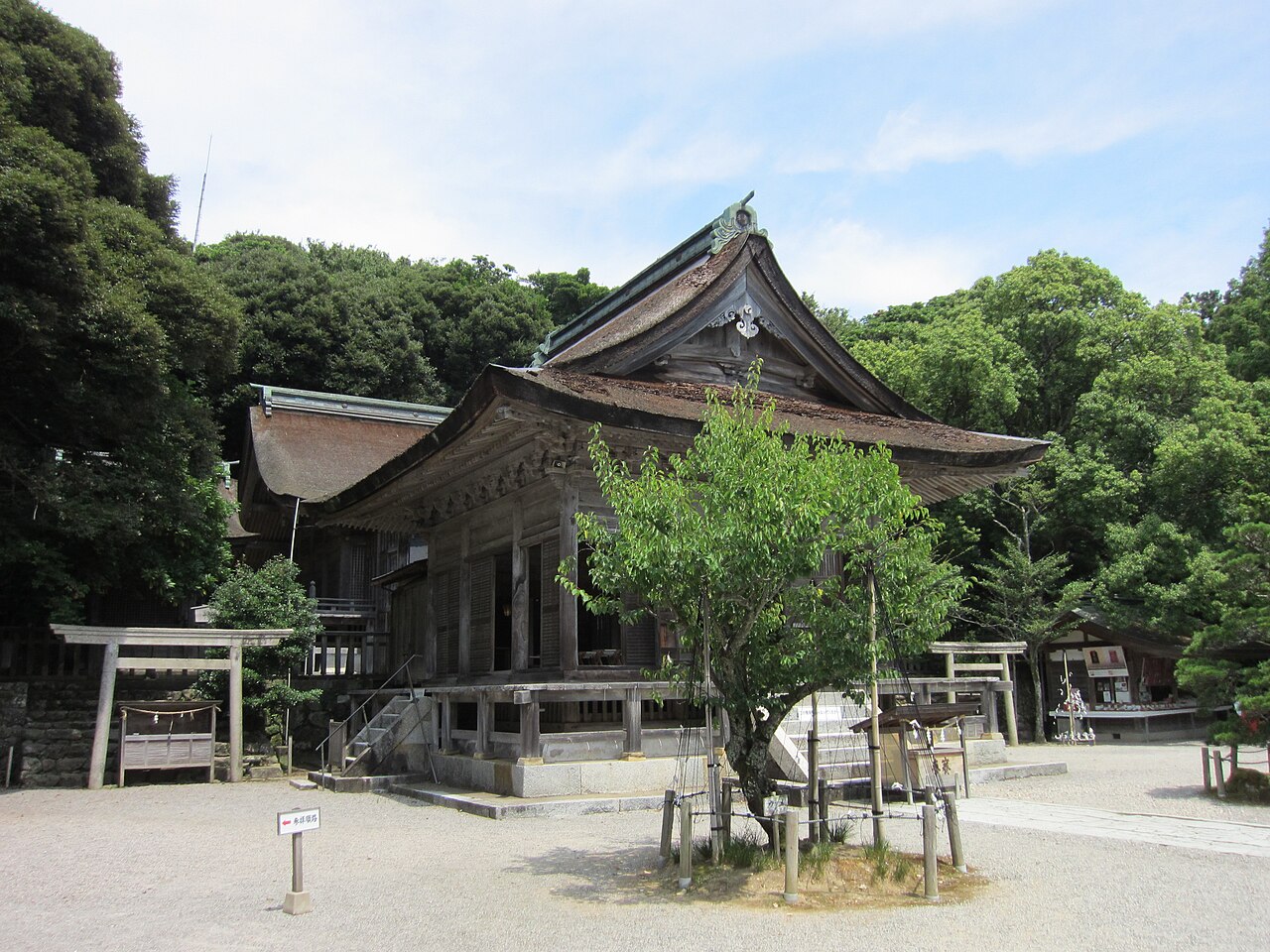
Keta Taisha Shrine
氣多大社 · Keta Shrine · Keta-taisha
overview
What this place is
Keta Taisha is a Shinto shrine in Hakui, Ishikawa Prefecture, on the Noto Peninsula, dedicated to Okuninushi-no-Kami. Recorded as a major shrine in the tenth-century Engishiki register, it has long been revered as the ichinomiya, or first shrine, of the old Noto Province. Behind the main halls spreads Irazu-no-Mori, a protected sacred forest that in normal times only priests may enter.
- Irazu-no-Mori, a protected sacred forest behind the halls that visitors admire from outside
- The ichinomiya (first shrine) of the old Noto Province, recorded in the Engishiki register
- A wooded precinct near the Sea of Japan coast, carrying the Keta faith of the coastal region
plan your visit
Visit facts for Keta Taisha Shrine
- Access
- About 15 minutes by local bus or taxi from JR Hakui Station, then about 5 minutes on foot from the Ichinomiya bus stop. Check bus frequencies in advance.
- Nearest station
- Ichinomiya bus stop (Hokutetsu Noto Bus)
- Hours
- Hours for worship, prayer services, the amulet office, and festivals vary, so check the official information before you visit.
- Fees
- The shrine grounds are free to enter. Prayer services and amulets are charged separately.
- Parking
- Available in Japanese only: 公式駐車場を利用し、祭事日の規制を確認します。
- Goshuin (seal stamps)
- Goshuin (shrine seal stamps) are offered; confirm reception hours on the day of your visit.
- Typical visit
- About 45 minutes (Unmeguri's estimate, not an official figure)
- Facts checked
- 2026-10-22
background
Enshrined deity
Okuninushi-no-Kami
The shrine enshrines Okuninushi-no-Kami, a deity associated with good relationships, and passes on the faith in Keta-no-Okami that spread along the Sea of Japan coast.
etiquette
Visiting with respect
- Bow lightly once before passing through the torii gate, and keep to the sides of the approach rather than the center.
- Rinse your hands at the temizuya water basin before approaching the main hall.
- The common way to pray at a shrine is two bows, two claps, and one final bow.
- Do not enter Irazu-no-Mori or take plants, soil, or fallen leaves from the forest.
- During festivals and rituals, give priority to the priests and parishioners and follow any photography limits.
- Hours, fees and reception can change; check the official information before you go.
faq
Common questions
How do I get to Keta Taisha Shrine?
About 15 minutes by local bus or taxi from JR Hakui Station, then about 5 minutes on foot from the Ichinomiya bus stop. Check bus frequencies in advance. Nearest station: Ichinomiya bus stop (Hokutetsu Noto Bus).
How much does it cost to visit Keta Taisha Shrine?
The shrine grounds are free to enter. Prayer services and amulets are charged separately.
What are the opening hours of Keta Taisha Shrine?
Hours for worship, prayer services, the amulet office, and festivals vary, so check the official information before you visit.
Is there parking at Keta Taisha Shrine?
Parking information for Keta Taisha Shrine is available in Japanese only: 公式駐車場を利用し、祭事日の規制を確認します。
How long should I spend at Keta Taisha Shrine?
Unmeguri's estimate for a visit is about 45 minutes. This is an editorial estimate, not an official figure.
Can I get a goshuin at Keta Taisha Shrine?
Goshuin (shrine seal stamps) are offered; confirm reception hours on the day of your visit.
Can I enter Irazu-no-Mori?
No. The forest behind the main halls is protected, and in normal times only priests set foot in it. Worshipping in front of the halls completes the visit.
What is Keta Taisha known for?
It enshrines Okuninushi-no-Kami, a deity associated with good relationships, serves as the ichinomiya of the old Noto Province, and preserves the sacred forest Irazu-no-Mori.
sources
Sources and checked dates
Facts last checked on 2026-10-22. Sources are in Japanese. Unmeguri separates officially documented facts from its own editorial reading, and does not promise that any wish or outcome will be realized.