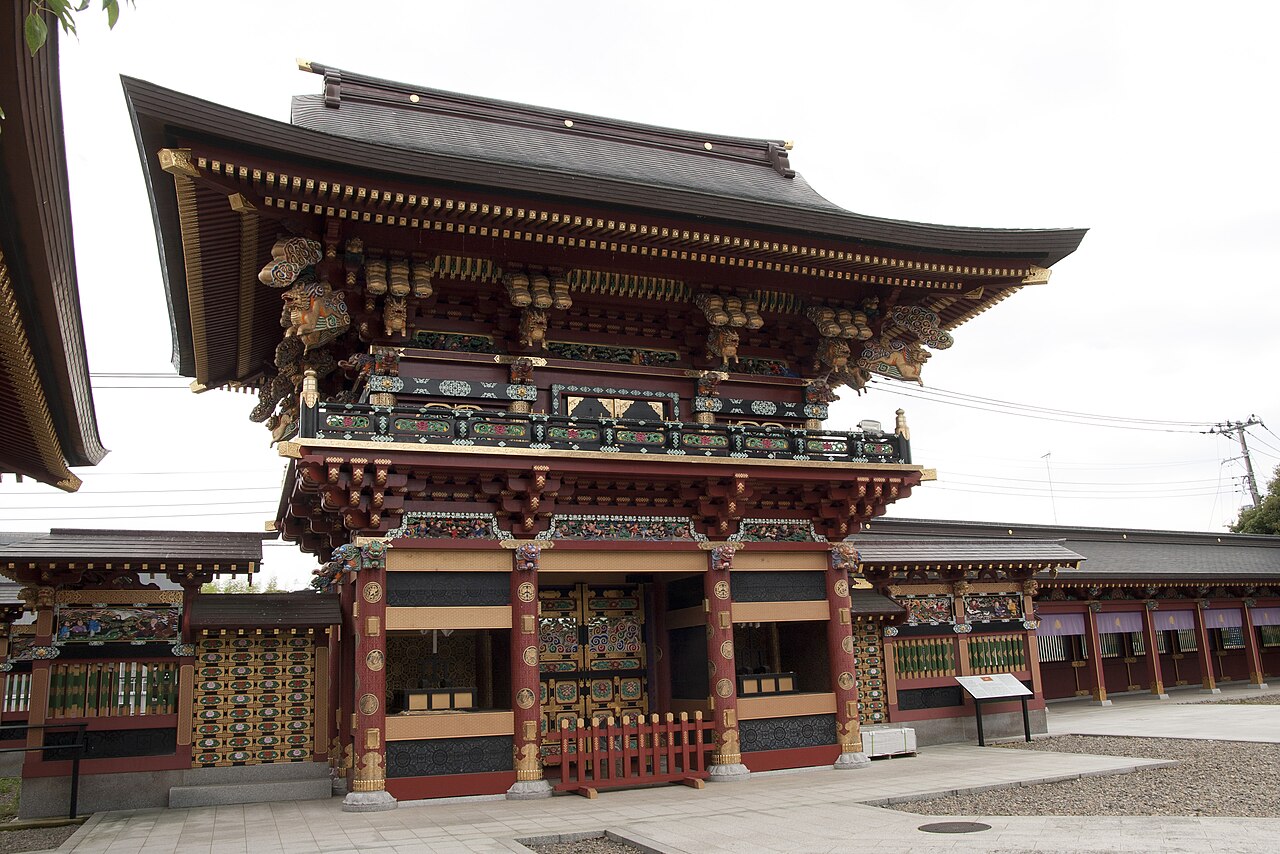
Osugi Shrine
Anba-sama · Osugi Jinja · 大杉神社
overview
What this place is
Osugi Shrine in Inashiki is the head of the Anba-sama shrines across Japan and calls itself the Yumemusubi Daimyojin, the deity who ties dreams. Yamato-Omononushi-Kushimikatama-no-Okami is the chief deity, with Onamuchi-no-Okami and Sukunahikona-no-Okami enshrined alongside. The shrine relates that in 767 the monk Shodo prayed at a great cedar here and the three deities came to be enshrined.
- The head of the Anba-sama shrines across Japan
- A prayer for dreams, which the shrine offers under that name
- A founding related to the monk Shodo and a great cedar, in 767
- Several subordinate shrines and places of prayer within the grounds
plan your visit
Visit facts for Osugi Shrine
- Access
- About 105 minutes from Tokyo Station by JR to Shimosa-Kozaki Station, then about 15 minutes by taxi. Buses from Sawara and Tsuchiura are very infrequent, so check them first.
- Nearest station
- JR Shimosa-Kozaki Station (about 15 minutes by taxi)
- Hours
- Prayers are usually held each hour from 9:00 to 16:00, with reception 10 to 30 minutes before each. The amulet desk is usually 8:30 to 17:00. The New Year and Setsubun follow different hours.
- Fees
- Visiting the grounds is free. Prayers, amulets, votive tablets, goshuin and the prayer practices in the grounds are separate.
- Parking
- Available in Japanese only: 公式案内に近隣駐車場あり。祭典・特別祈祷時の利用条件は出発前に確認。
- Goshuin (seal stamps)
- Goshuin are given at the amulet desk, usually 8:30 to 17:00. The New Year and Setsubun differ.
- Typical visit
- About 90 minutes (Unmeguri's estimate, not an official figure)
- Facts checked
- 2026-07-29
background
Enshrined deities
Yamato-Omononushi-Kushimikatama-no-Okami · Onamuchi-no-Okami · Sukunahikona-no-Okami
The shrine gives Yamato-Omononushi-Kushimikatama-no-Okami as its chief deity, with Onamuchi-no-Okami and Sukunahikona-no-Okami enshrined alongside him.
etiquette
Visiting with respect
- The grounds have steps and several subordinate shrines and places of prayer; ask the staff about the route and about how each practice is joined.
- Reaching the grounds is a complete visit; the prayer for dreams is a further choice.
- The founding in 767 is the shrine’s own account, not settled history.
- Do not touch or climb on the halls, and follow the notices on photography.
- Check the taxi and the return journey before you go, as buses here are very few.
- Hours, fees and reception can change; check the official information before you go.
faq
Common questions
How do I get to Osugi Shrine?
About 105 minutes from Tokyo Station by JR to Shimosa-Kozaki Station, then about 15 minutes by taxi. Buses from Sawara and Tsuchiura are very infrequent, so check them first. Nearest station: JR Shimosa-Kozaki Station (about 15 minutes by taxi).
How much does it cost to visit Osugi Shrine?
Visiting the grounds is free. Prayers, amulets, votive tablets, goshuin and the prayer practices in the grounds are separate.
What are the opening hours of Osugi Shrine?
Prayers are usually held each hour from 9:00 to 16:00, with reception 10 to 30 minutes before each. The amulet desk is usually 8:30 to 17:00. The New Year and Setsubun follow different hours.
Is there parking at Osugi Shrine?
Parking information for Osugi Shrine is available in Japanese only: 公式案内に近隣駐車場あり。祭典・特別祈祷時の利用条件は出発前に確認。
How long should I spend at Osugi Shrine?
Unmeguri's estimate for a visit is about 90 minutes. This is an editorial estimate, not an official figure.
Can I get a goshuin at Osugi Shrine?
Goshuin are given at the amulet desk, usually 8:30 to 17:00. The New Year and Setsubun differ.
What is Anba-sama?
The name under which this shrine is known as the head of the Anba-sama shrines across Japan.
What is the prayer for dreams?
A prayer the shrine offers under that name, from a following that spread in the Edo period. It is a choice, not a requirement.
sources
Sources and checked dates
- 大杉神社の御由緒・御祭神(opens in a new tab)
- 夢・金運|大杉神社(opens in a new tab)
- 厄除など|大杉神社(opens in a new tab)
- ご祈祷 受付・斎行|大杉神社(opens in a new tab)
- ご祈祷・御守|大杉神社(opens in a new tab)
- 境内案内|大杉神社(opens in a new tab)
- よくある質問|大杉神社(opens in a new tab)
- アクセス|大杉神社(opens in a new tab)
Facts last checked on 2026-07-29. Sources are in Japanese. Unmeguri separates officially documented facts from its own editorial reading, and does not promise that any wish or outcome will be realized.