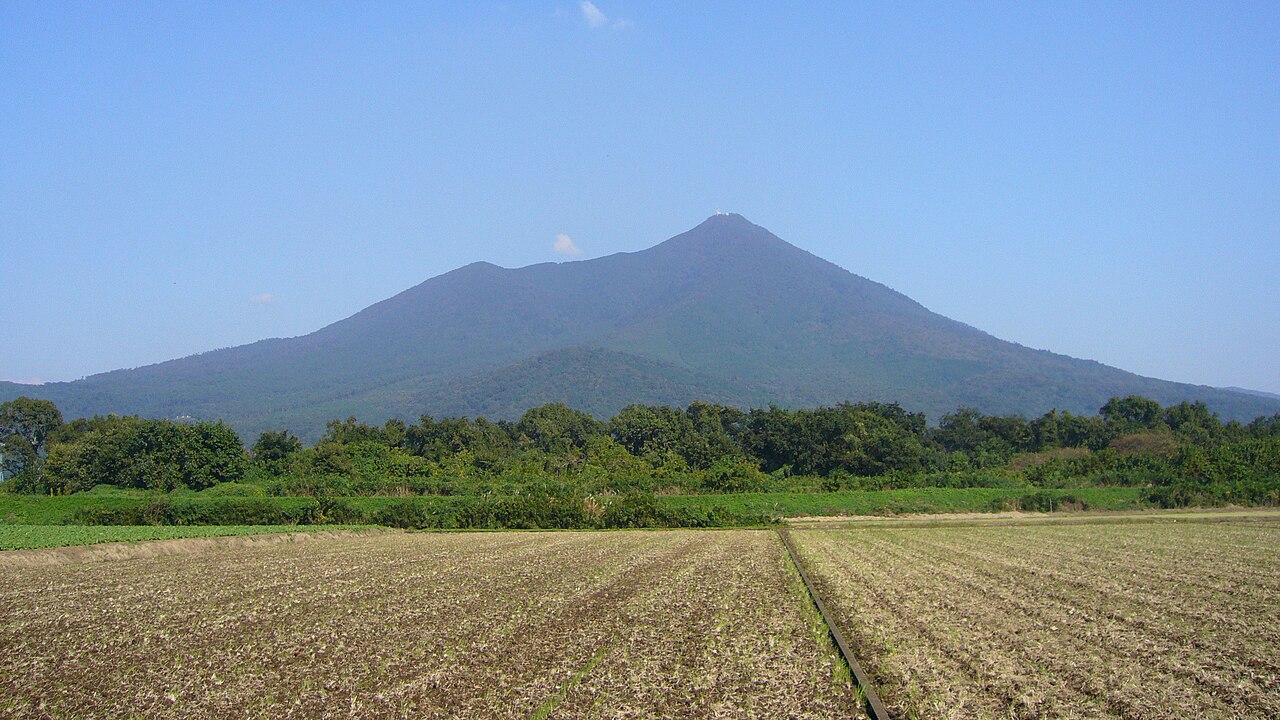
Mount Tsukuba
Tsukubasan · Nantaisan and Nyotaisan · 筑波山
overview
What this place is
Mount Tsukuba has two peaks, Nantaisan and Nyotaisan, and the city relates that it was revered from early times as a symbol of what the land brings forth and as a mountain where the deities live. Called the Fuji of the east beside the Fuji of the west, it appears in the Manyoshu and in the Hyakunin Isshu. Long kept as sacred ground, it holds rare and particular plants, insects and birds.
- A twin-peaked mountain, Nantaisan and Nyotaisan
- A mountain named beside Fuji and sung in the Manyoshu and the Hyakunin Isshu
- Ground long kept sacred, rich in rare plants, insects and birds
- Trails, a cable car and a ropeway, each with its own conditions
plan your visit
Visit facts for Mount Tsukuba
- Access
- About 50 minutes from Tsukuba Station on the Tsukuba Express by the Mount Tsukuba shuttle bus to the Tsukubasan Jinja-iriguchi or Tsutsujigaoka stop. Check the days it runs, the crowds and the last service back.
- Nearest station
- Tsukubasan Jinja-iriguchi / Tsutsujigaoka (Mount Tsukuba shuttle bus)
- Hours
- This is open mountain country. Check the trails, the live cameras, the weather and whether the cable car and ropeway are running, all on the day.
- Fees
- The trails are free to use. The cable car, the ropeway and the car parks are charged separately.
- Parking
- Available in Japanese only: 市営・民営駐車場の満空と紅葉・連休時の渋滞を確認し、公共交通を優先します。
- Typical visit
- About 240 minutes (Unmeguri's estimate, not an official figure)
- Facts checked
- 2026-10-22
background
Central feature
Nantaisan · Nyotaisan · the nature of Mount Tsukuba
The city of Tsukuba explains that Mount Tsukuba, with its peaks of Nantaisan and Nyotaisan, was revered from early times as a symbol of what the land brings forth and as a mountain where the deities live.
etiquette
Visiting with respect
- The upper part of the mountain has rock, steps and steep sections; even if you go up by cable car or ropeway, check the ground from the upper station.
- Reaching the foot of the mountain is a complete visit; the summits are a further choice.
- The mountain has been kept as sacred ground; stay on the trails and take nothing from it.
- Check the last service back before you set out.
- Carry out everything you bring in.
- Hours, fees and reception can change; check the official information before you go.
faq
Common questions
How do I get to Mount Tsukuba?
About 50 minutes from Tsukuba Station on the Tsukuba Express by the Mount Tsukuba shuttle bus to the Tsukubasan Jinja-iriguchi or Tsutsujigaoka stop. Check the days it runs, the crowds and the last service back. Nearest station: Tsukubasan Jinja-iriguchi / Tsutsujigaoka (Mount Tsukuba shuttle bus).
How much does it cost to visit Mount Tsukuba?
The trails are free to use. The cable car, the ropeway and the car parks are charged separately.
What are the opening hours of Mount Tsukuba?
This is open mountain country. Check the trails, the live cameras, the weather and whether the cable car and ropeway are running, all on the day.
Is there parking at Mount Tsukuba?
Parking information for Mount Tsukuba is available in Japanese only: 市営・民営駐車場の満空と紅葉・連休時の渋滞を確認し、公共交通を優先します。
How long should I spend at Mount Tsukuba?
Unmeguri's estimate for a visit is about 240 minutes. This is an editorial estimate, not an official figure.
How do I get up Mount Tsukuba?
On foot by the trails, or by cable car or ropeway. Check on the day whether they are running and what the ground is like.
How do I reach the mountain?
About 50 minutes by the Mount Tsukuba shuttle bus from Tsukuba Station on the Tsukuba Express.
What is the mountain known for?
Its twin peaks, its place beside Fuji in the old saying, its poems in the Manyoshu, and the rare life kept on ground long held sacred.
sources
Sources and checked dates
- 筑波山を登山される方へ|つくば市(opens in a new tab)
- 筑波山|観光いばらき(opens in a new tab)
- 筑波山ケーブルカー&ロープウェイ(opens in a new tab)
Facts last checked on 2026-10-22. Sources are in Japanese. Unmeguri separates officially documented facts from its own editorial reading, and does not promise that any wish or outcome will be realized.