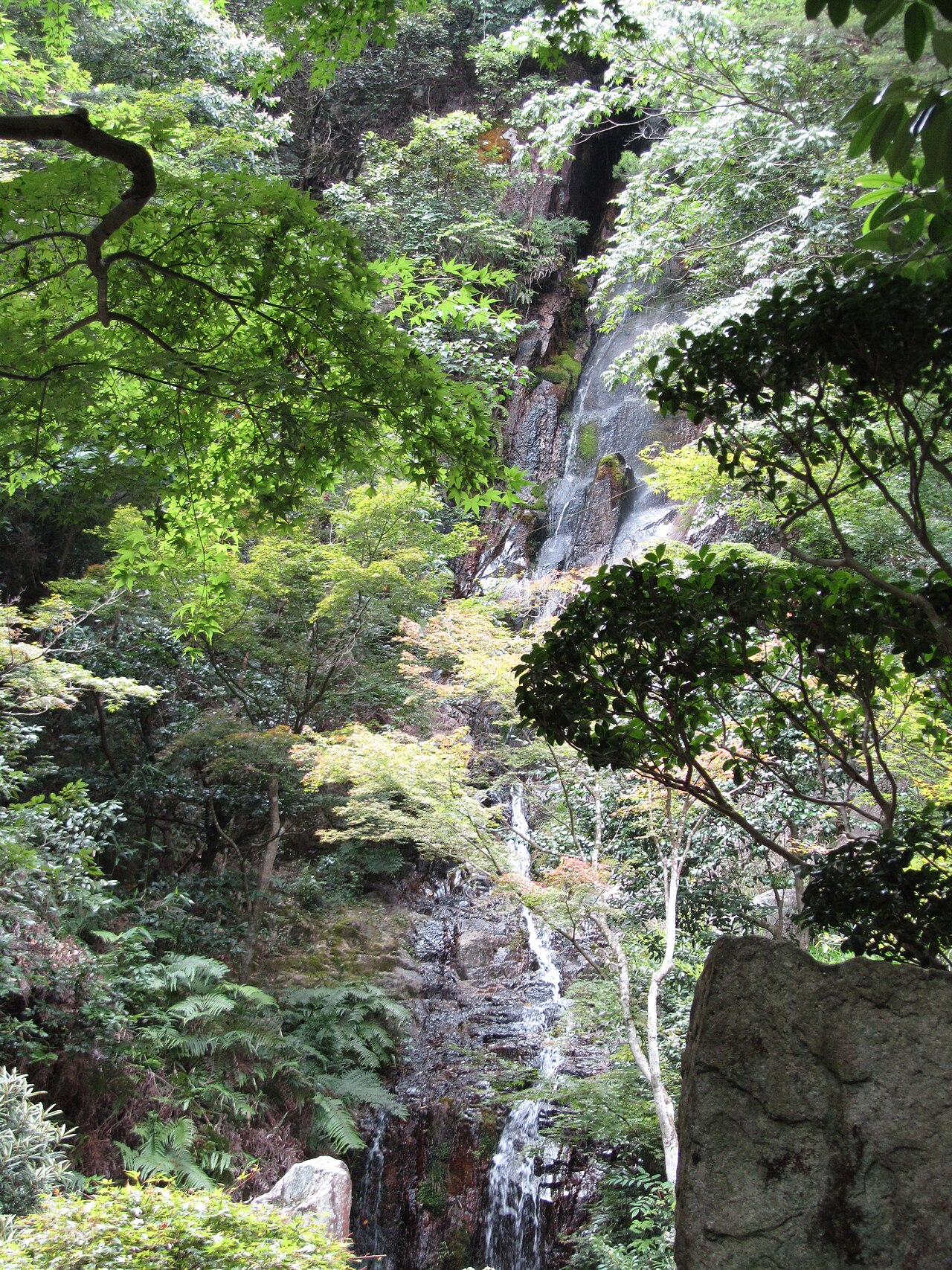
Mitaki-dera Temple
三瀧寺 · Mitakidera · Mitaki Temple
overview
What this place is
Mitaki-dera is a Buddhist temple on the wooded slopes of Mount Mitaki in Nishi Ward, Hiroshima City, named after the three waterfalls that flow through its grounds. Said to have been founded in the 9th century, it is the 13th temple of the Chugoku Kannon pilgrimage. A tahoto pagoda moved here as a memorial for the victims of the atomic bomb stands among the halls and the boat-shaped stone Buddhas of the hillside precinct.
- Three waterfalls that flow through the temple grounds and give the temple its name
- A tahoto pagoda relocated to the grounds as a memorial for the victims of the atomic bomb
- Eighty-eight boat-shaped stone Buddhas set along the paths of the hillside precinct
- The 13th temple of the Chugoku Kannon pilgrimage
plan your visit
Visit facts for Mitaki-dera Temple
- Access
- About 20 minutes on foot from Mitaki Station on the JR Kabe Line. The approach road is narrow, so walk with care for passing vehicles.
- Nearest station
- Mitaki Station (JR Kabe Line)
- Hours
- Hiroshima City walking information gives 8:00 to 17:30 in summer and 8:00 to 17:00 in winter as a guide. Services, the autumn color season, weather, and hall openings can change conditions, so check on the day.
- Fees
- A current fee for ordinary worship could not be confirmed in the official materials consulted, so follow the signs at the temple. Sutra offerings and special openings are handled separately.
- Parking
- Available in Japanese only: 参道は狭く駐車余地が限られます。公共交通を優先し、路上駐車や転回待ちで住民・参拝者の通行を塞ぎません。
- Typical visit
- About 70 minutes (Unmeguri's estimate, not an official figure)
- Facts checked
- 2026-10-22
background
Principal image
Sho Kannon
Hiroshima City walking materials and the Chugoku Kannon pilgrimage explain that the main hall houses an image of Sho Kannon, the principal image of the temple.
etiquette
Visiting with respect
- Keep to the marked paths without stepping into the waterfalls, wet rocks, or streambeds, and choose where to stop with other visitors in mind on the narrow approach.
- Treat the memorial character of the precinct with respect; the tahoto pagoda was moved here as a memorial for the victims of the atomic bomb.
- At the main hall, place a donation in the offering box, put your hands together quietly, and bow; unlike at a shrine, you do not clap at a temple.
- Hours, fees and reception can change; check the official information before you go.
faq
Common questions
How do I get to Mitaki-dera Temple?
About 20 minutes on foot from Mitaki Station on the JR Kabe Line. The approach road is narrow, so walk with care for passing vehicles. Nearest station: Mitaki Station (JR Kabe Line).
How much does it cost to visit Mitaki-dera Temple?
A current fee for ordinary worship could not be confirmed in the official materials consulted, so follow the signs at the temple. Sutra offerings and special openings are handled separately.
What are the opening hours of Mitaki-dera Temple?
Hiroshima City walking information gives 8:00 to 17:30 in summer and 8:00 to 17:00 in winter as a guide. Services, the autumn color season, weather, and hall openings can change conditions, so check on the day.
Is there parking at Mitaki-dera Temple?
Parking information for Mitaki-dera Temple is available in Japanese only: 参道は狭く駐車余地が限られます。公共交通を優先し、路上駐車や転回待ちで住民・参拝者の通行を塞ぎません。
How long should I spend at Mitaki-dera Temple?
Unmeguri's estimate for a visit is about 70 minutes. This is an editorial estimate, not an official figure.
What is Mitaki-dera known for?
It is known for the three waterfalls that give the temple its name, its place as the 13th temple of the Chugoku Kannon pilgrimage, and the tahoto pagoda that serves as a memorial for the victims of the atomic bomb.
sources
Sources and checked dates
- 三瀧寺|ひろしま公式観光サイト(opens in a new tab)
- 三瀧寺概観|観光庁 多言語解説文データベース(opens in a new tab)
- 三瀧寺の滝|観光庁 多言語解説文データベース(opens in a new tab)
- 三瀧寺の石仏|観光庁 多言語解説文データベース(opens in a new tab)
- 三滝散策マップ|広島市(opens in a new tab)
- 三瀧寺|中国観音霊場(opens in a new tab)
Facts last checked on 2026-10-22. Sources are in Japanese. Unmeguri separates officially documented facts from its own editorial reading, and does not promise that any wish or outcome will be realized.