Daisho-in Temple
大聖院 · Daishoin · Daisho-in
overview
What this place is
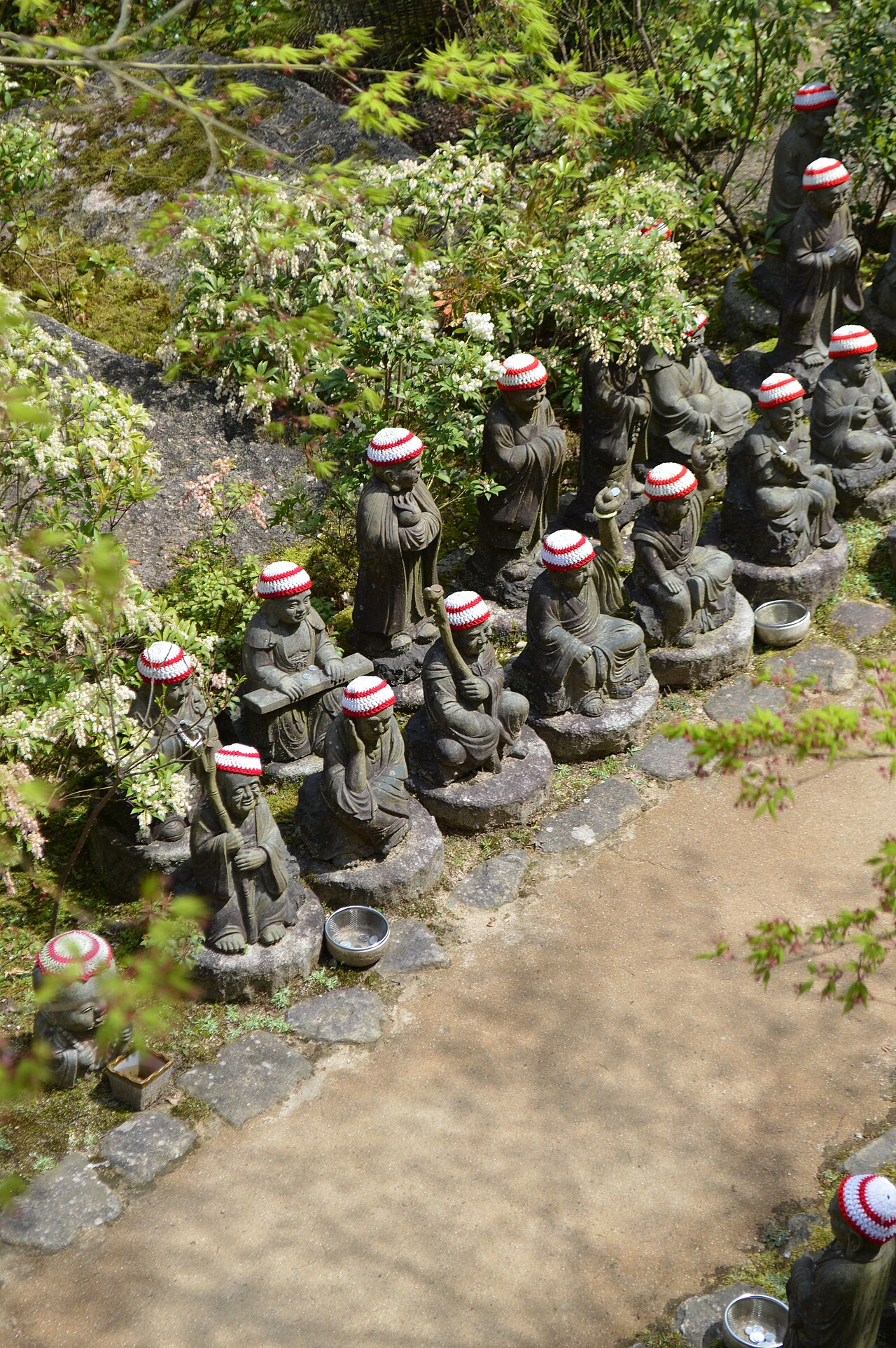
Daisho-in is a Shingon Buddhist temple at the foot of Mount Misen on Miyajima, in Hatsukaichi, Hiroshima. Said to have been founded in 806 by the monk Kukai (Kobo Daishi), it is introduced as the oldest temple on the island and long served as the temple in charge of rites at Itsukushima Jinja. Its grounds climb the hillside in slopes and stone steps, past the Chokugando and Kannondo halls and rows of five hundred rakan statues.
- Five hundred rakan statues with individual expressions lining the hillside paths
- A temple history said to reach back to 806, when Kukai trained on Mount Misen
- The Chokugando and Kannondo halls set among slopes and stone steps at the foot of Mount Misen
- A long historical tie to Itsukushima Jinja, whose rites the temple once oversaw
plan your visit
Visit facts for Daisho-in Temple
- Access
- About 30 minutes on foot from Miyajima Pier. From Itsukushima Jinja, continue southwest and allow extra time for the slopes and stone steps.
- Nearest station
- Miyajima Pier
- Hours
- Based on official notices, the gates and goshuin reception are generally open from 8:00 to 16:00 and prayer reception from 9:00 to 15:00; ceremonies, services, the recovery situation on Mount Misen, and bookable experiences are announced separately, so check before you visit.
- Fees
- The temple grounds are free to visit, according to the public tourism guide. Prayer services, goshuin, and experiences such as sutra copying or seated meditation carry separate offerings, so check the official guidance.
- Parking
- Available in Japanese only: 島内の自家用車利用を前提にせず、宮島桟橋から徒歩で向かいます。
- Goshuin (seal stamps)
- Several goshuin, including those of Namikiri Fudo Myoo and the Eleven-headed Kannon, are offered according to the temple; reception ends in the afternoon and details can change, so follow the on-site guidance.
- Typical visit
- About 75 minutes (Unmeguri's estimate, not an official figure)
- Facts checked
- 2026-10-22
background
Principal image
Namikiri Fudo Myoo · Juichimen Kannon (Eleven-headed Kannon)
The temple explains that its principal image is Namikiri Fudo Myoo, and that it also venerates several other images, including the Eleven-headed Kannon regarded as the Buddhist counterpart (honji-butsu) of the deity of Itsukushima.
etiquette
Visiting with respect
- At the halls, place a donation in the offering box, put your hands together quietly, and bow; unlike at a shrine, you do not clap at a temple.
- Do not touch the rakan statues or move their caps and offerings, and avoid photographing services or prayers in progress.
- The grounds rise in slopes and stone steps; rest as needed, and climbing every stairway is not required to complete a visit.
- Hours, fees and reception can change; check the official information before you go.
faq
Common questions
How do I get to Daisho-in Temple?
About 30 minutes on foot from Miyajima Pier. From Itsukushima Jinja, continue southwest and allow extra time for the slopes and stone steps. Nearest station: Miyajima Pier.
How much does it cost to visit Daisho-in Temple?
The temple grounds are free to visit, according to the public tourism guide. Prayer services, goshuin, and experiences such as sutra copying or seated meditation carry separate offerings, so check the official guidance.
What are the opening hours of Daisho-in Temple?
Based on official notices, the gates and goshuin reception are generally open from 8:00 to 16:00 and prayer reception from 9:00 to 15:00; ceremonies, services, the recovery situation on Mount Misen, and bookable experiences are announced separately, so check before you visit.
Is there parking at Daisho-in Temple?
Parking information for Daisho-in Temple is available in Japanese only: 島内の自家用車利用を前提にせず、宮島桟橋から徒歩で向かいます。
How long should I spend at Daisho-in Temple?
Unmeguri's estimate for a visit is about 75 minutes. This is an editorial estimate, not an official figure.
Can I get a goshuin at Daisho-in Temple?
Several goshuin, including those of Namikiri Fudo Myoo and the Eleven-headed Kannon, are offered according to the temple; reception ends in the afternoon and details can change, so follow the on-site guidance.
What is Daisho-in known for?
It is introduced as the oldest temple on Miyajima, said to have been founded by Kukai in 806, and is known for its five hundred rakan statues and its historical role in the rites of Itsukushima Jinja.
sources
Sources and checked dates
- 宮島弥山 大本山 大聖院(opens in a new tab)
- 大聖院の歴史|観光庁 多言語解説文データベース(opens in a new tab)
- 大聖院|ひろしま公式観光サイト(opens in a new tab)
- 御朱印|大聖院(opens in a new tab)
- 開門・受付時間変更のお知らせ|大聖院(opens in a new tab)
Facts last checked on 2026-10-22. Sources are in Japanese. Unmeguri separates officially documented facts from its own editorial reading, and does not promise that any wish or outcome will be realized.