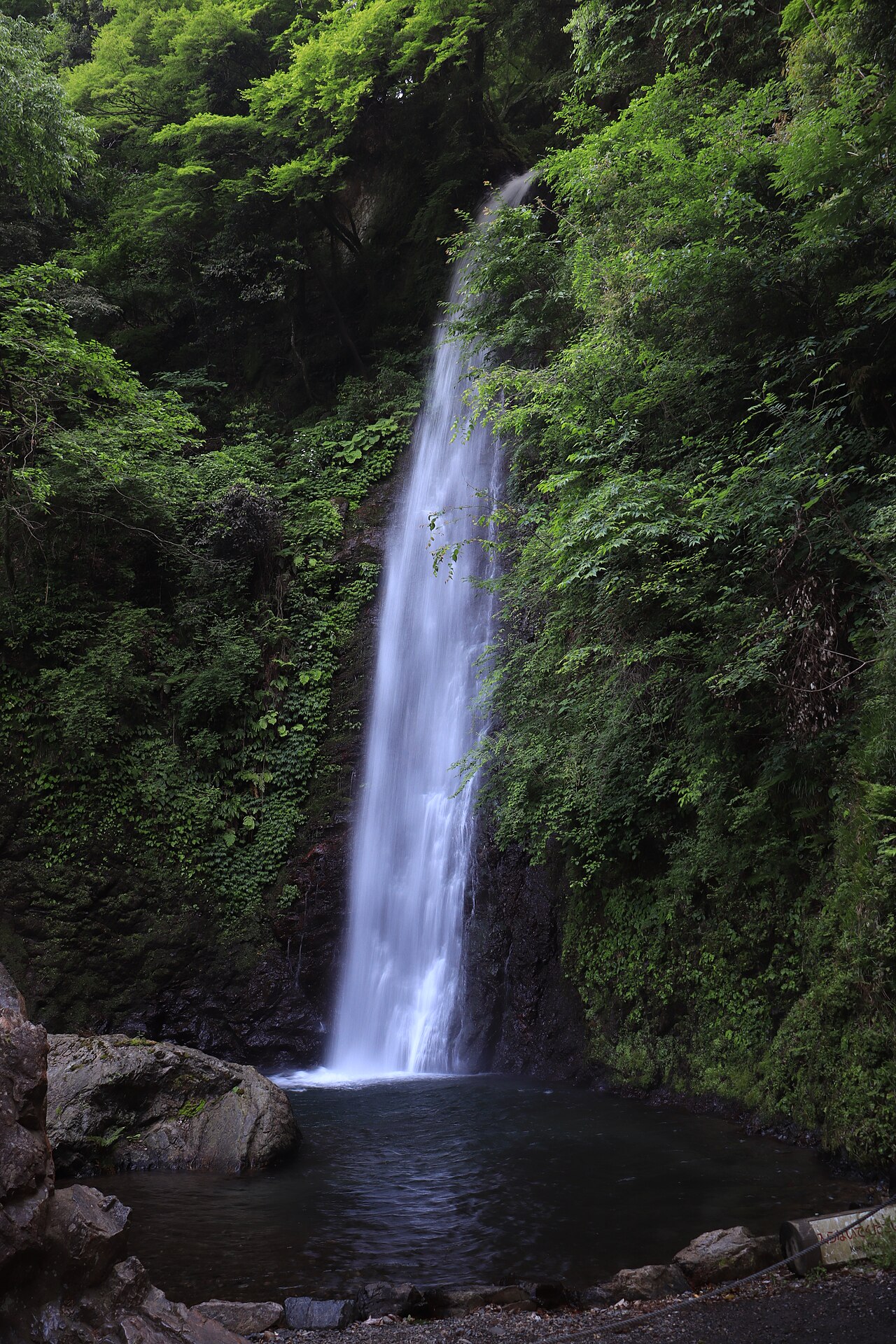
Yoro Falls and Yoro Park
Yoro-no-taki · Yoro Park · 養老公園・養老の滝
overview
What this place is
Yoro Falls in Yoro, Gifu, sits at the head of a valley within Yoro Park, reached by a long climb from Yoro Station. The park relates the local story of a dutiful child who drew water for his father and found it turned to sake, from which, it is said, Empress Gensho changed the era name to Yoro. The falls are one part of a park that also holds Yoro Shrine and several other facilities.
- The falls at the head of a valley, reached by a long uphill walk
- The story of the dutiful child, from which the era name is said to have come
- Yoro Park, taking in Yoro Shrine and several other facilities
- A route with no street lighting, to be walked within opening hours
plan your visit
Visit facts for Yoro Falls and Yoro Park
- Access
- About 30 minutes from JR Ogaki Station, changing there to the Yoro Railway for Yoro Station, then about 40 minutes on foot. Waiting time and the walk are not included in that estimate.
- Nearest station
- Yoro Station (Yoro Railway)
- Hours
- Check the park’s latest information for when the open areas and each facility are available, for works on the paths and for the weather. There is no lighting after dark, so walk within opening hours.
- Fees
- The falls and a walk in the park are free. The Site of Reversible Destiny and other paying facilities, and the car parks, are charged separately.
- Parking
- Available in Japanese only: 滝方面は養老の滝入口駐車場を案内。最終入場時刻と満空を確認します。
- Typical visit
- About 120 minutes (Unmeguri's estimate, not an official figure)
- Facts checked
- 2026-10-22
background
Central feature
Yoro Falls · the Takidani valley · Mount Yoro
Yoro Park explains that a story is told locally of a dutiful child who drew water for his father and found that it had turned to sake. It is a tale carried by the place, not a property of the water.
etiquette
Visiting with respect
- It is a long climb from Yoro Station to the falls; check what park transport is running and what the ground is like in front of the falls.
- Reaching the park is already a visit; the falls are a further choice, not a requirement.
- The story of water turning to sake is a tale told here, not a description of the water itself; do not drink from the stream.
- Stay on the paths and do not enter the water or take anything from the valley.
- Set out early enough to walk back in daylight, as the route is unlit.
- Hours, fees and reception can change; check the official information before you go.
faq
Common questions
How do I get to Yoro Falls and Yoro Park?
About 30 minutes from JR Ogaki Station, changing there to the Yoro Railway for Yoro Station, then about 40 minutes on foot. Waiting time and the walk are not included in that estimate. Nearest station: Yoro Station (Yoro Railway).
How much does it cost to visit Yoro Falls and Yoro Park?
The falls and a walk in the park are free. The Site of Reversible Destiny and other paying facilities, and the car parks, are charged separately.
What are the opening hours of Yoro Falls and Yoro Park?
Check the park’s latest information for when the open areas and each facility are available, for works on the paths and for the weather. There is no lighting after dark, so walk within opening hours.
Is there parking at Yoro Falls and Yoro Park?
Parking information for Yoro Falls and Yoro Park is available in Japanese only: 滝方面は養老の滝入口駐車場を案内。最終入場時刻と満空を確認します。
How long should I spend at Yoro Falls and Yoro Park?
Unmeguri's estimate for a visit is about 120 minutes. This is an editorial estimate, not an official figure.
Is there a fee for Yoro Falls?
No. The falls and a walk in the park are free, though some facilities within the park and the car parks are charged separately.
What is the story behind the name?
A dutiful child is said to have drawn water for his father that turned to sake, and Empress Gensho to have changed the era name to Yoro.
Can I visit after dark?
It is not advisable. There is no street lighting on the route, so walk within opening hours and allow time to return.
sources
Sources and checked dates
Facts last checked on 2026-10-22. Sources are in Japanese. Unmeguri separates officially documented facts from its own editorial reading, and does not promise that any wish or outcome will be realized.