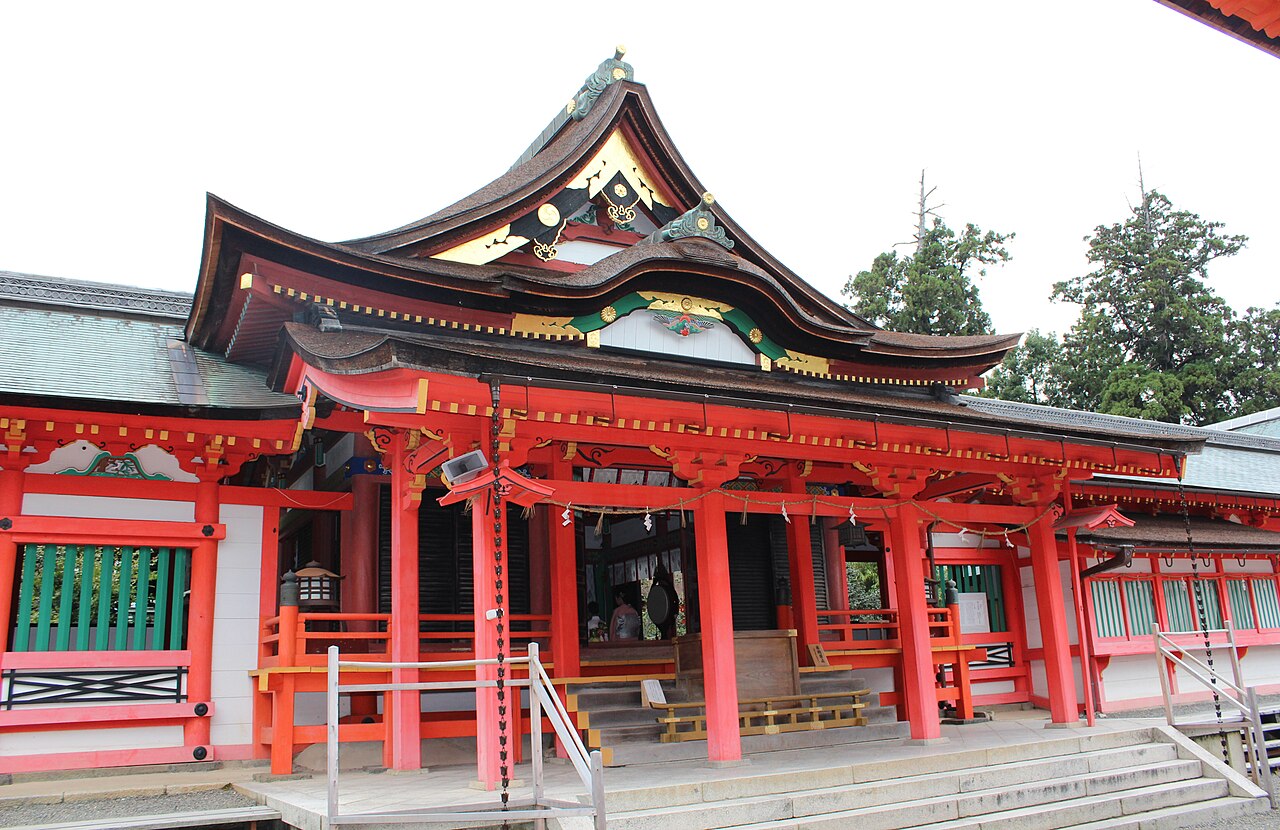
Nangu Taisha Shrine
Nangu Grand Shrine · Mino Ichinomiya Nangu Taisha · 南宮大社
overview
What this place is
Nangu Taisha in Tarui, Gifu, is the first shrine of Mino province and is described by the prefecture as the head shrine of mining and metalworking in Japan. It enshrines Kanayamahiko-no-Mikoto. The shrine relates a story tied to the golden kite of Emperor Jimmu’s eastern campaign and a move to the present site in the reign of Emperor Sujin; the halls, lost in the battle of Sekigahara, were rebuilt by Tokugawa Iemitsu in 1642.
- The first shrine of Mino province, and the head shrine of mining and metalworking
- Kanayamahiko-no-Mikoto, the deity of metal
- Halls rebuilt by Tokugawa Iemitsu in 1642 after the battle of Sekigahara
- A shrine reached on foot from Tarui Station on the Tokaido Main Line
plan your visit
Visit facts for Nangu Taisha Shrine
- Access
- About 15 minutes from JR Ogaki Station to Tarui Station on the Tokaido Main Line, then about 25 minutes on foot. Waiting time and the walk from the station are not included in that estimate.
- Nearest station
- Tarui Station (JR Tokaido Main Line)
- Hours
- Check the shrine’s own information for visiting hours, prayers and the amulet desk on the day you go.
- Fees
- An ordinary visit is free. Prayers and amulets carry their own offerings; check the requests accepted and the conditions with the shrine.
- Parking
- Available in Japanese only: 祭礼・初詣時の規制と駐車場開放を確認し、参道や生活道路へ駐車しません。
- Goshuin (seal stamps)
- Goshuin are given at the shrine, but the desk and its hours are not published, so confirm them on the day.
- Typical visit
- About 60 minutes (Unmeguri's estimate, not an official figure)
- Facts checked
- 2026-10-22
background
Enshrined deity
Kanayamahiko-no-Mikoto
The prefecture’s tourism body describes Nangu Taisha as the head shrine of mining and metalworking, and the Gifu shrine agency gives Kanayamahiko-no-Mikoto as its enshrined deity.
etiquette
Visiting with respect
- The grounds have stone paving, gravel and a step at the gate; check the route to the main halls before you set out.
- Reaching the shrine is already a visit; the walk from Tarui Station is about 25 minutes, so allow for it and for the way back.
- The story of the golden kite is what the shrine relates about its origin, not settled history.
- Do not touch or climb on the halls rebuilt in 1642, and follow the notices in the grounds.
- The number of amulets or the size of an offering is not a measure of anything.
- Hours, fees and reception can change; check the official information before you go.
faq
Common questions
How do I get to Nangu Taisha Shrine?
About 15 minutes from JR Ogaki Station to Tarui Station on the Tokaido Main Line, then about 25 minutes on foot. Waiting time and the walk from the station are not included in that estimate. Nearest station: Tarui Station (JR Tokaido Main Line).
How much does it cost to visit Nangu Taisha Shrine?
An ordinary visit is free. Prayers and amulets carry their own offerings; check the requests accepted and the conditions with the shrine.
What are the opening hours of Nangu Taisha Shrine?
Check the shrine’s own information for visiting hours, prayers and the amulet desk on the day you go.
Is there parking at Nangu Taisha Shrine?
Parking information for Nangu Taisha Shrine is available in Japanese only: 祭礼・初詣時の規制と駐車場開放を確認し、参道や生活道路へ駐車しません。
How long should I spend at Nangu Taisha Shrine?
Unmeguri's estimate for a visit is about 60 minutes. This is an editorial estimate, not an official figure.
Can I get a goshuin at Nangu Taisha Shrine?
Goshuin are given at the shrine, but the desk and its hours are not published, so confirm them on the day.
What is Nangu Taisha known for?
It is the first shrine of Mino province and is described as the head shrine of mining and metalworking, enshrining Kanayamahiko-no-Mikoto.
When were the halls built?
The present halls were rebuilt by Tokugawa Iemitsu in 1642, after the earlier ones were lost in the battle of Sekigahara.
sources
Sources and checked dates
Facts last checked on 2026-10-22. Sources are in Japanese. Unmeguri separates officially documented facts from its own editorial reading, and does not promise that any wish or outcome will be realized.