Kamado Shrine
Homangu Kamado Jinja · Kamado Jinja · 宝満宮竈門神社 · 竈門神社
overview
What this place is
Kamado Shrine, formally Homangu Kamado Jinja, is a Shinto shrine at the foot of Mount Homan in Dazaifu, Fukuoka Prefecture. Its founding tradition dates to 673, and the shrine has long been revered as the guardian of the northeast 'demon gate' of the ancient Dazaifu government office. Today it is widely visited for enmusubi — prayers for good matches and meaningful ties — centered on the deity Tamayorihime-no-Mikoto.
- A lower shrine (Shimomiya) at the foot of Mount Homan, with an upper shrine (Kamimiya) on the 829-meter summit
- A founding tradition dating to 673 and a role guarding the demon gate of the ancient Dazaifu government office
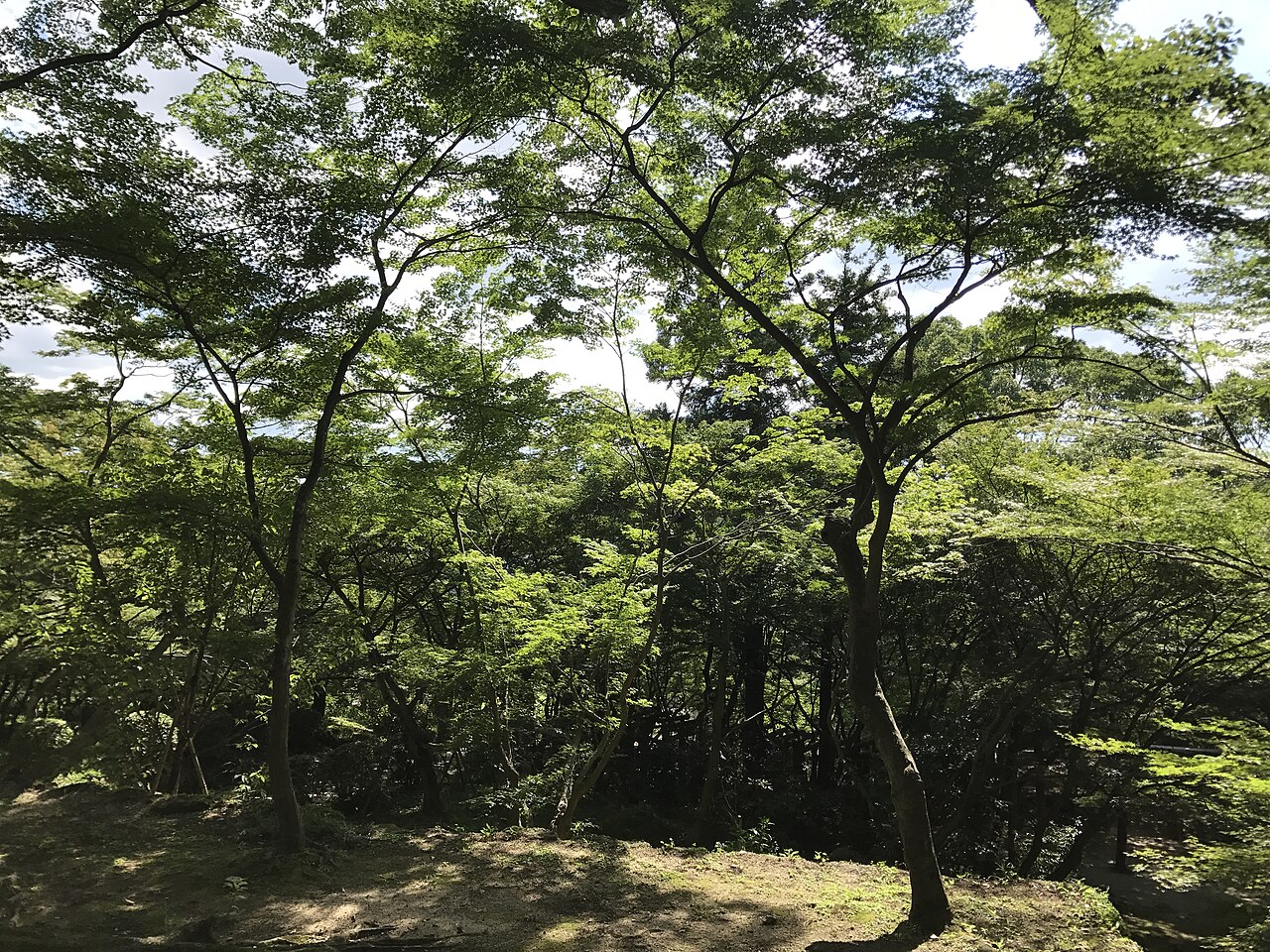
- Wooded grounds known for cherry blossoms in spring and autumn foliage
- Enmusubi amulets such as the musubi-no-ito (binding thread), listed among the official offerings
plan your visit
Visit facts for Kamado Shrine
- Access
- From Nishitetsu Dazaifu Station, about 10 minutes by the Mahoroba-go community bus to the Uchiyama stop, or about 40 minutes on foot. Check the bus timetable for the day of your visit.
- Nearest station
- Uchiyama bus stop (Mahoroba-go community bus, from Nishitetsu Dazaifu Station)
- Hours
- Per the current official information, the amulet office and goshuin reception are open from 8:30 to 18:00. Prayer reception start times differ between official pages, so confirm with the shrine on the day of your visit.
- Fees
- The shrine grounds are free to enter. Prayer services are from 5,000 yen for individuals and from 10,000 yen for companies and groups, per the official guidance.
- Parking
- Available in Japanese only: 公式案内では有料駐車場約100台です。利用時間と混雑を訪問日に確認します。
- Goshuin (seal stamps)
- The official sources we checked do not state whether goshuin (seal stamps) are offered here. Check on site or with the latest official guidance.
- Typical visit
- About 50 minutes (Unmeguri's estimate, not an official figure)
- Facts checked
- 2026-10-22
background
Enshrined deity
Tamayorihime-no-Mikoto
The shrine describes Tamayorihime-no-Mikoto as a deity who draws souls together, and explains its faith in enmusubi (good matches and ties), protection of directions, and protection from misfortune, rooted in its role guarding the demon gate of the ancient Dazaifu government office.
etiquette
Visiting with respect
- Bow lightly once before passing through the torii gate, and rinse your hands at the temizuya water basin before worship.
- A visit is complete with worship at the lower shrine (Shimomiya); the climb up 829-meter Mount Homan is a separate undertaking that needs its own time and preparation.
- On crowded days, keep photography brief so that other visitors can worship and pass without obstruction.
- Hours, fees and reception can change; check the official information before you go.
faq
Common questions
How do I get to Kamado Shrine?
From Nishitetsu Dazaifu Station, about 10 minutes by the Mahoroba-go community bus to the Uchiyama stop, or about 40 minutes on foot. Check the bus timetable for the day of your visit. Nearest station: Uchiyama bus stop (Mahoroba-go community bus, from Nishitetsu Dazaifu Station).
How much does it cost to visit Kamado Shrine?
The shrine grounds are free to enter. Prayer services are from 5,000 yen for individuals and from 10,000 yen for companies and groups, per the official guidance.
What are the opening hours of Kamado Shrine?
Per the current official information, the amulet office and goshuin reception are open from 8:30 to 18:00. Prayer reception start times differ between official pages, so confirm with the shrine on the day of your visit.
Is there parking at Kamado Shrine?
Parking information for Kamado Shrine is available in Japanese only: 公式案内では有料駐車場約100台です。利用時間と混雑を訪問日に確認します。
How long should I spend at Kamado Shrine?
Unmeguri's estimate for a visit is about 50 minutes. This is an editorial estimate, not an official figure.
Can I get a goshuin at Kamado Shrine?
The official sources we checked do not state whether goshuin (seal stamps) are offered here. Check on site or with the latest official guidance.
What is Kamado Shrine known for?
It is known for enmusubi — prayers for good matches and ties — centered on Tamayorihime-no-Mikoto, for its founding tradition dating to 673, and for its setting at the foot of Mount Homan.
sources
Sources and checked dates
- 御由緒・御祭神|宝満宮竈門神社(opens in a new tab)
- 御祈願案内|宝満宮竈門神社(opens in a new tab)
- 授与所・祈願受付時間|宝満宮竈門神社(opens in a new tab)
- 交通案内|宝満宮竈門神社(opens in a new tab)
- お札・お守り|宝満宮竈門神社(opens in a new tab)
- 宝満山案内|宝満宮竈門神社(opens in a new tab)
Facts last checked on 2026-10-22. Sources are in Japanese. Unmeguri separates officially documented facts from its own editorial reading, and does not promise that any wish or outcome will be realized.