Oyamazumi Shrine
Oyamazumi Jinja · Omishima Shrine · 大山祇神社
overview
What this place is
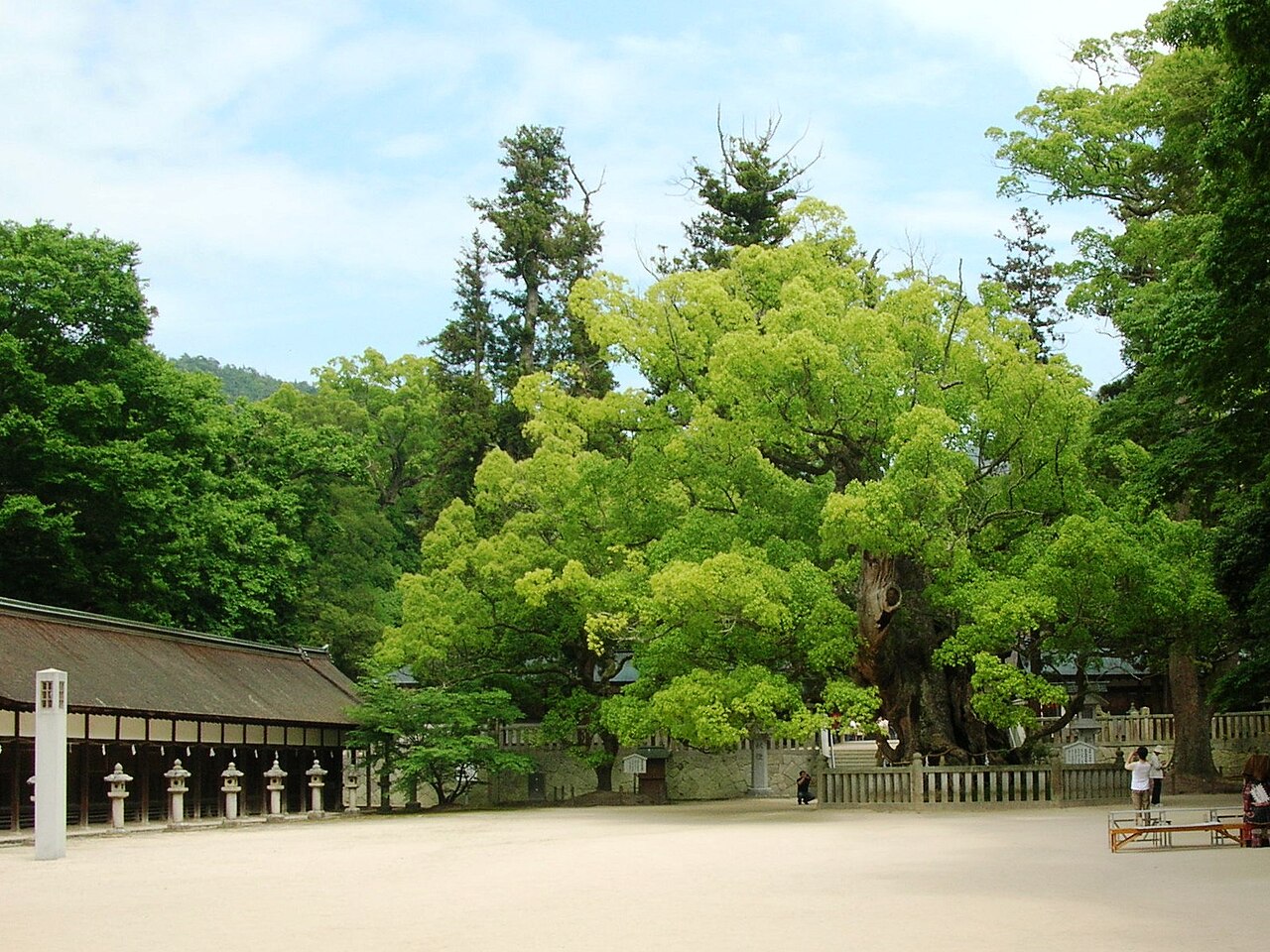
Oyamazumi Shrine on Omishima enshrines Oyamazumi-no-Kami and is held as the head shrine of the Yamazumi and Mishima shrines across Japan, turned to as a deity of mountains, of the sea and of crossings. The great camphor at the centre of the grounds is related as planted by Ochi-no-Mikoto and as over 2,600 years old. Arms given by warriors and warrior houses are kept in the treasure hall.
- The head shrine of the Yamazumi and Mishima shrines
- A great camphor related as over 2,600 years old
- A treasure hall of arms, with National Treasures among them
- A deity of mountains, of the sea and of crossings
plan your visit
Visit facts for Oyamazumi Shrine
- Access
- About a minute on foot from the Oyamazumi Jinja-mae bus stop, reached by local bus from Omishima BS and other stops. Check how many buses run on the island and your time back first.
- Nearest station
- Oyamazumi Jinja-mae bus stop
- Hours
- The gates open around sunrise and close at 17:00, the ofuda desk runs from 9:00 to 17:00, and prayers are received from 9:30 to 16:00. There can be a wait during rites, and the treasure hall keeps its own hours.
- Fees
- Worship is free. A prayer is from 5,000 yen. The treasure hall and the maritime museum are charged separately; check the fee and last entry on the day.
- Parking
- Available in Japanese only: 公式アクセスは神社横に無料駐車場約50台と案内しています。行事時の誘導に従います。
- Typical visit
- About 60 minutes (Unmeguri's estimate, not an official figure)
- Facts checked
- 2026-10-22
background
Enshrined deity
Oyamazumi-no-Kami
The shrine gives Oyamazumi-no-Kami as its deity and relates that it has been turned to as a deity of mountains, of the sea and of crossings; what it lists is given as its own tradition and is not presented as an assurance of an outcome or a change in the body.
etiquette
Visiting with respect
- Keep worship in the grounds and the treasure hall as separate choices; the halls and the great camphor alone make a complete visit.
- Do not touch the great camphor or step in among its roots.
- The age of the camphor is given as tradition rather than measurement.
- The arms in the treasure hall are cultural property; follow the notices on photography.
- Check the last bus before you settle how long to stay.
- Hours, fees and reception can change; check the official information before you go.
faq
Common questions
How do I get to Oyamazumi Shrine?
About a minute on foot from the Oyamazumi Jinja-mae bus stop, reached by local bus from Omishima BS and other stops. Check how many buses run on the island and your time back first. Nearest station: Oyamazumi Jinja-mae bus stop.
How much does it cost to visit Oyamazumi Shrine?
Worship is free. A prayer is from 5,000 yen. The treasure hall and the maritime museum are charged separately; check the fee and last entry on the day.
What are the opening hours of Oyamazumi Shrine?
The gates open around sunrise and close at 17:00, the ofuda desk runs from 9:00 to 17:00, and prayers are received from 9:30 to 16:00. There can be a wait during rites, and the treasure hall keeps its own hours.
Is there parking at Oyamazumi Shrine?
Parking information for Oyamazumi Shrine is available in Japanese only: 公式アクセスは神社横に無料駐車場約50台と案内しています。行事時の誘導に従います。
How long should I spend at Oyamazumi Shrine?
Unmeguri's estimate for a visit is about 60 minutes. This is an editorial estimate, not an official figure.
What is this shrine to other shrines?
It is held as the head shrine of the Yamazumi and Mishima shrines across Japan.
What does a prayer cost?
From 5,000 yen. The treasure hall and museum are separate.
How old is the great camphor?
It is related as planted by Ochi-no-Mikoto and as over 2,600 years old, given as tradition.
sources
Sources and checked dates
- 大山祇神社の御祭神・由緒・御神木|大山祇神社(opens in a new tab)
- 参拝・祈祷・授与所の案内|大山祇神社(opens in a new tab)
- 宝物館と奉納武具|大山祇神社(opens in a new tab)
- 大山祇神社への交通・駐車場|大山祇神社(opens in a new tab)
- 大山祇神社の観光情報|いよ観ネット(opens in a new tab)
Facts last checked on 2026-10-22. Sources are in Japanese. Unmeguri separates officially documented facts from its own editorial reading, and does not promise that any wish or outcome will be realized.